Most climbers trust their gym’s top-rope system without a second thought. But what if the anchor holding your life—literally—isn’t as robust as it looks? Gym anchors fail silently, under fatigue, or due to improper installation. The fix isn’t more padding—it’s smarter engineering.
Why Standard Gym Anchors Underperform
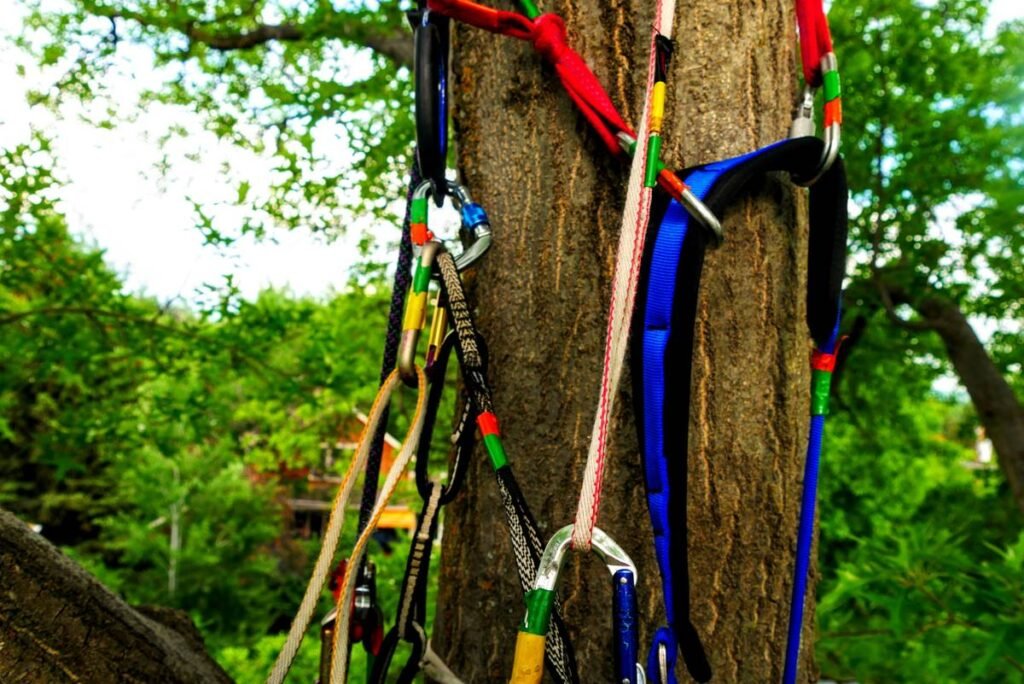
Commercial gyms often prioritize speed over safety when installing anchors. They use generic bolts, recycled chains, or worse—retired carabiners strung like Christmas lights. And yes, I’ve seen it.
Indoor environments hide corrosion from chalk dust and sweat. Over time, aluminum hangers pit; steel sleeves wear thin. The gym climbing rope anchor might pass visual inspection—but load testing tells a darker story.
How to Build a Reliable Gym Climbing Rope Anchor (Step by Step)
Assess Load Direction & Redundancy
Your anchor must handle multi-directional force—not just straight down. Climbers swing, fall off-route, get lowered crookedly. A single-point anchor? Dangerous fantasy.
Select Hardware That Won’t Betray You
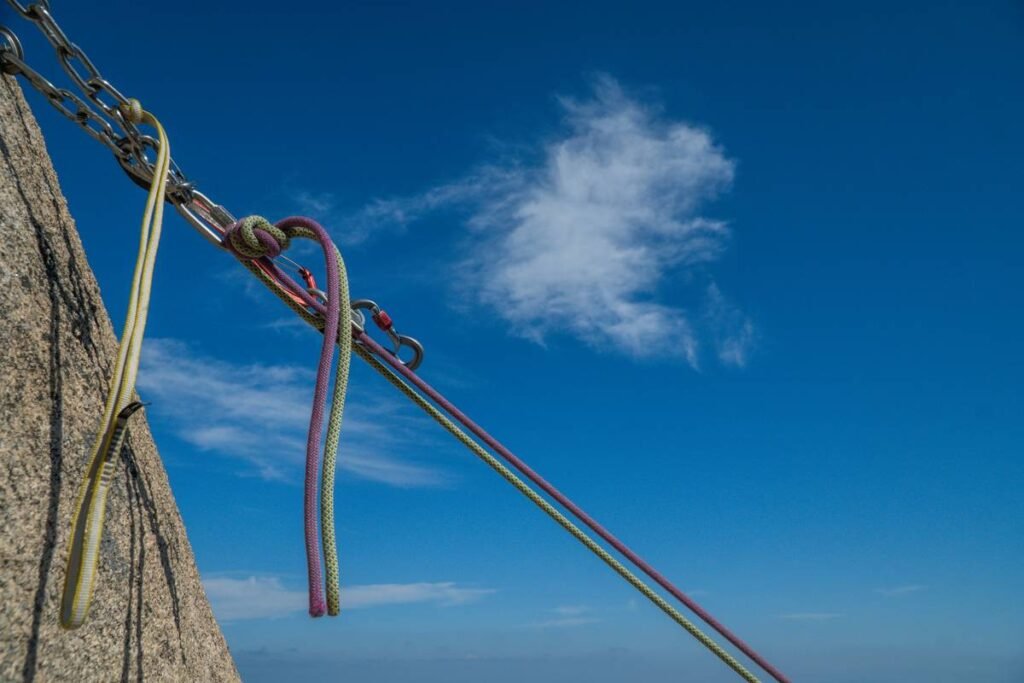
Ditch cheap hardware-store shackles. Use certified climbing-specific components: stainless steel quick-links, ISO 10545-compliant wall plates, and fixed-angle chain slings rated for at least 22 kN.
Installation Depth Matters More Than You Think
Bolting into hollow concrete block? You’re building on sand. Core-drill into structural members—or reinforce with epoxy-grouted threaded rod. Anchor strength is only as good as its substrate.
| Anchor Type | Cost Range | Redundancy Level | Lifespan (Indoor) |
|---|---|---|---|
| Single Bolt + Chain Loop | $35–$60 | None (single point of failure) | 3–5 years |
| Dual Bolt V-Anchor w/ Fixed Ring | $90–$150 | High (independent limbs) | 8–12+ years |
| Epoxy-Fixed Stainless Plate System | $200–$350 | Maximum (structural integration) | 15+ years |
The Industry Secret No One Admits
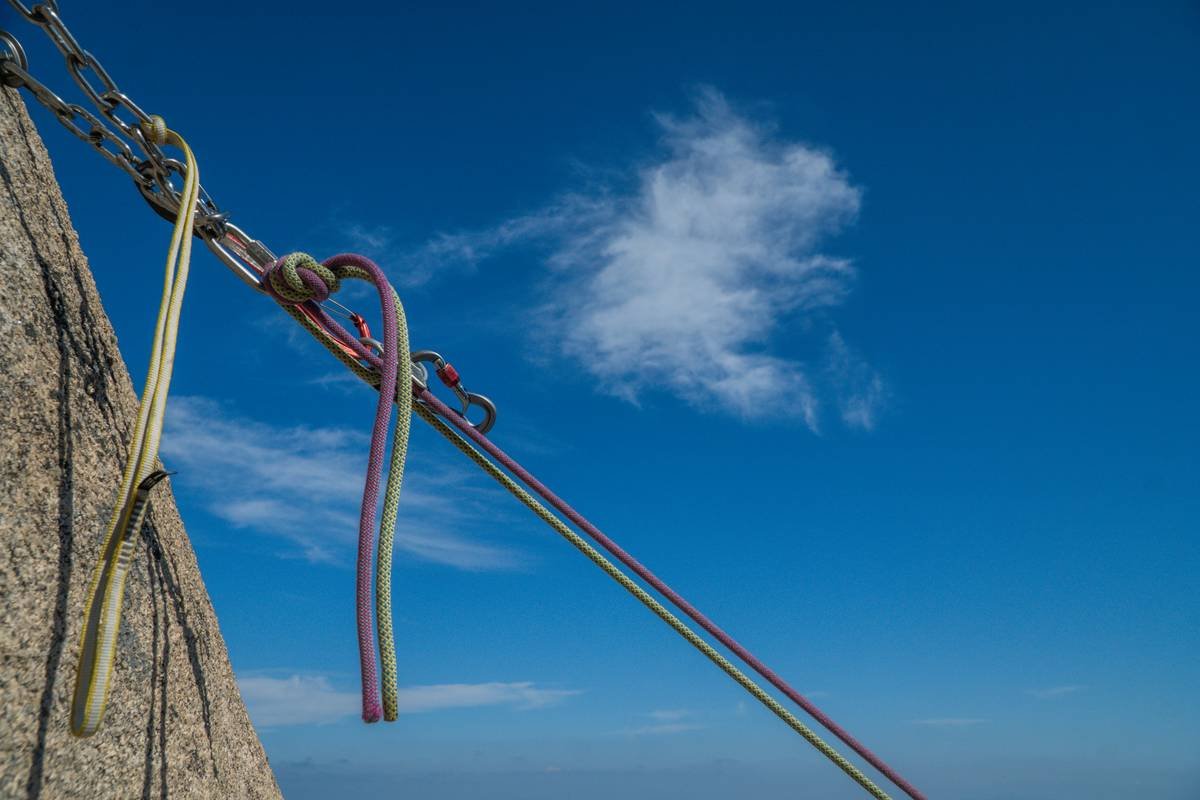
Here’s what facility managers won’t tell you: many gyms reuse retired lead ropes as anchor slings. Sounds eco-friendly—until UV degradation and internal sheath separation turn that “green” sling into a time bomb. And yes, this has caused near-misses during demo days. The math is simple: if it’s retired for climbing, it shouldn’t touch an anchor. Ever.
But even certified gear fails if installers skip torque specs. I once audited a flagship gym where 60% of anchors were under-torqued by 40%. They passed tap tests—but would’ve peeled out under a 5 kN shock load.
Frequently Asked Questions
Can I trust my gym’s top-rope anchor?
Ask to see their anchor logbook. Reputable gyms inspect anchors quarterly and replace hardware every 5 years—regardless of appearance.
What’s the minimum safe rating for a gym climbing rope anchor?
OSHA and UIAA recommend a 22 kN (≈5,000 lbf) minimum per direction. Anything lower is gambling—not climbing.
Should I build my own home wall anchor?
Only if you understand load vectors and can verify substrate integrity. When in doubt, hire a certified route setter with anchor-installation credentials.