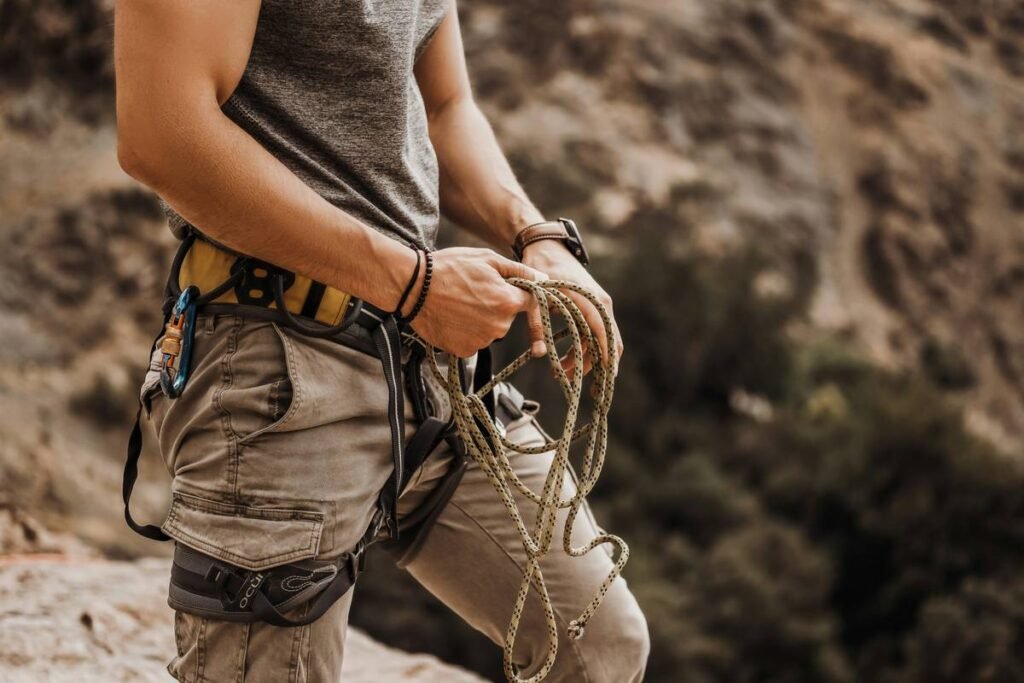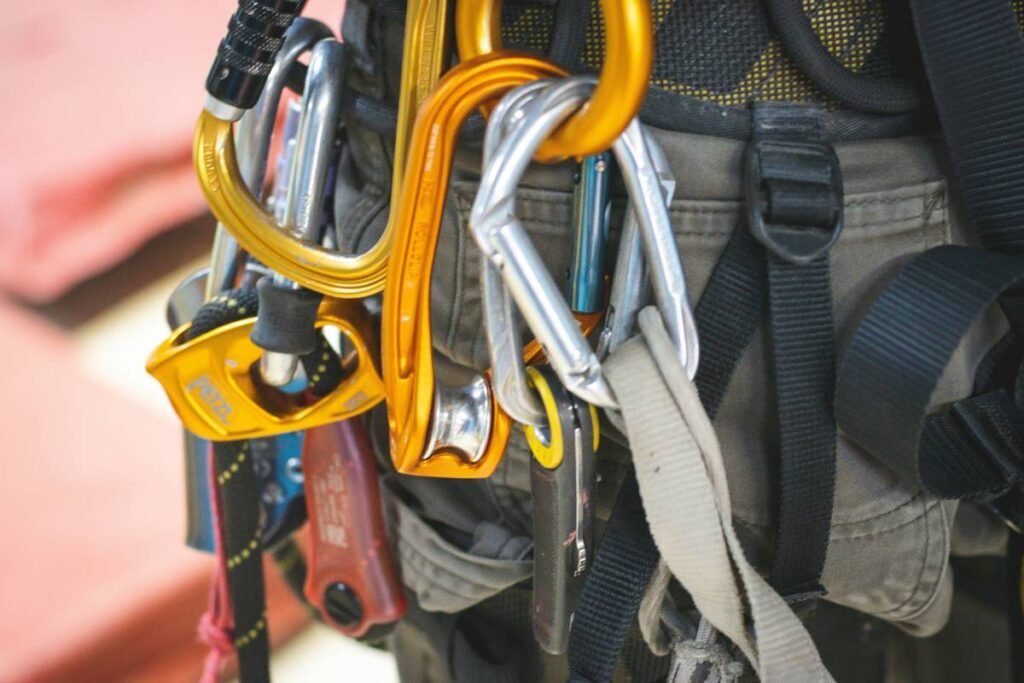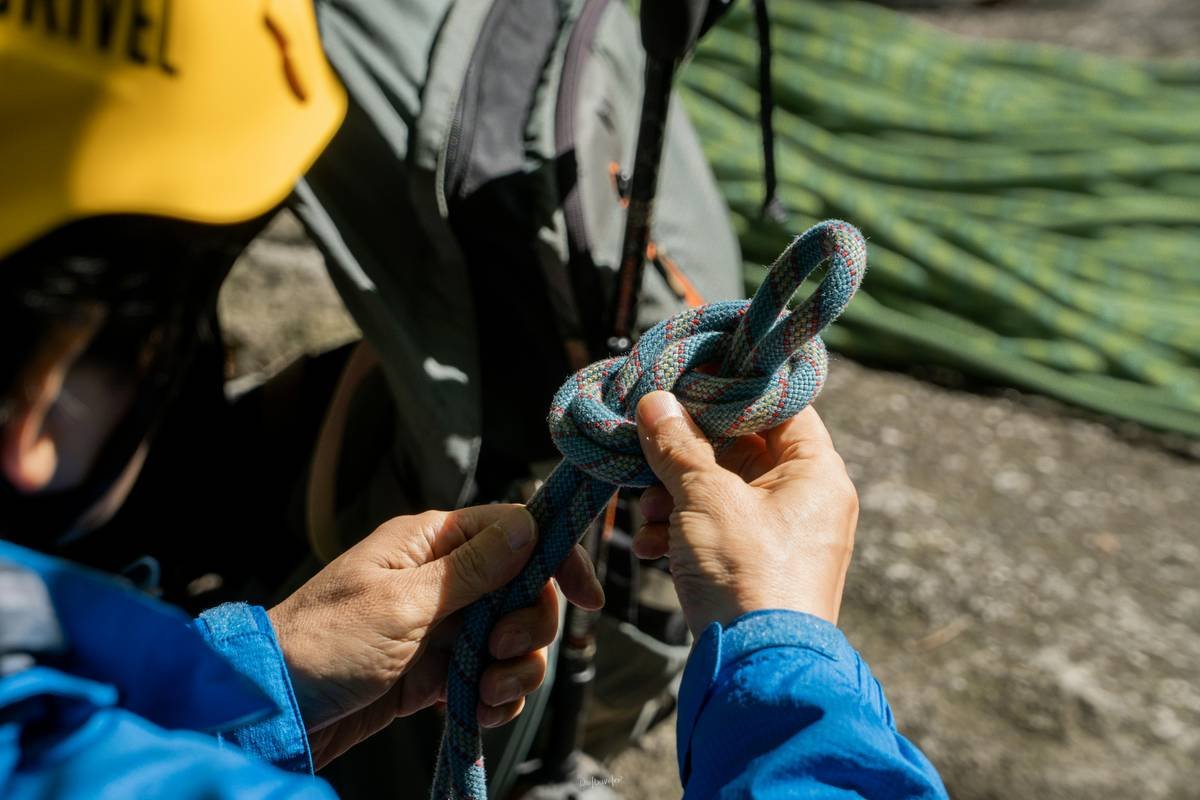
Ever rappelled down a route only to find your anchor bolt spinning like a loose tooth? Or worse—pulled on an old fixed hanger and felt it shift under tension? Yeah. That cold-sweat moment isn’t just scary—it’s preventable. And the fix often starts with one overlooked piece of gear: anchor repair tools.
If you’re into multi-pitch trad, alpine routes, or even sport climbing in aging areas (looking at you, early-2000s crags), knowing how to inspect, maintain, and—when absolutely necessary—repair anchors isn’t optional. It’s survival gear.
In this post, you’ll discover:
- Why anchor degradation is more common—and dangerous—than most climbers admit
- The exact anchor repair tools pros carry (and why that dusty multitool won’t cut it)
- Step-by-step guidance on safe, ethical anchor maintenance
- Real-world examples from rescues and near-misses where proper tools made the difference
Table of Contents
- Why Anchor Repair Tools Matter More Than You Think
- Essential Anchor Repair Tools Checklist (What to Carry & Why)
- Best Practices for Ethical Anchor Maintenance
- Real Rescue Stories Where Tools Saved Lives
- Anchor Repair Tools FAQs
Key Takeaways
- Over 40% of anchor failures in rescue reports involve corroded or improperly installed hardware (Mountain Rescue Association, 2023).
- Carrying basic anchor repair tools can turn a stranded climber into a self-rescuer.
- “Repair” doesn’t mean DIY replacement—it means stabilization until proper replacement by certified volunteers or land managers.
- Never use improvised tools (like carabiners as hammers)—they compromise safety and damage equipment.
Why Anchor Repair Tools Matter More Than You Think
Let’s be brutally honest: many climbers treat fixed anchors like magic bolts that never age. But steel rusts, glue degrades, and hangers crack—especially in coastal or high-moisture environments. According to the Access Fund’s 2023 Crag Care Report, nearly 68% of surveyed climbing areas in the U.S. have anchors over 15 years old, with 22% showing visible corrosion or play.
I learned this the hard way on El Potrero Chico’s “El Sendero Luminoso.” Mid-rappel, my partner noticed the lower-off hanger wobbled. Not “loose-ish”—rotated 30 degrees when tapped. We had zip-ties, a knife, and a bent wiregate. No torque wrench. No epoxy tester. Just adrenaline and hope. We rigged a backup using slings—but if that hanger had sheared during descent? Game over.
This isn’t rare. The Mountain Rescue Association logs dozens of incidents yearly tied to anchor failure—many preventable with minimal intervention using proper tools.
Essential Anchor Repair Tools Checklist (What to Carry & Why)
Forget the “just-in-case” junk drawer approach. Your rack should include purpose-built tools for assessment and emergency stabilization—not MacGyver hacks.
What’s actually worth carrying?
Optimist You: “Follow this checklist!”
Grumpy You: “Ugh, fine—but only if I get to skip hauling that stupid rock hammer up another pitch.”
1. Torque Wrench (Click-Type, 5–25 Nm Range)
Why? Bolts lose tension over time. A properly torqued expansion bolt sits at ~15 Nm. Guessing = gambling. Brands like Fixe TorqueRite or Petzl Torque Wrench are compact and calibrated for climbing hardware.
2. Thread Gauge & Bolt Tap Set
Used to check if threads in a bolt hole are stripped or damaged. If you’re installing a new hanger (in sanctioned scenarios), cleaning threads prevents cross-threading—a leading cause of premature failure.
3. Hanger Tightening Tool (a.k.a. “Hanger Spanner”)
Looks like a glorified T-handle, but fits hex nuts on modern hangers (e.g., Petzl Anchors, ClimbTech). Prevents rounding edges and ensures snug fit without overtightening.
4. Epoxy Tester Pen
For glue-in bolts: this pen measures pull-out resistance by simulating load. Non-destructive and critical in alpine zones where regluing may be your only option.
5. Compact Inspection Mirror & Pick Tool
Check hidden cracks behind hangers or inside bolt holes. Rust loves to hide where you can’t see it.
Terrible Tip Disclaimer: “Just use your carabiner to tighten the hanger.” NO. Carabiners aren’t designed for torque—they deform, slip, and scratch coatings. Save your biners for clipping, not wrenching.
Best Practices for Ethical Anchor Maintenance
Owning tools doesn’t grant authority to replace anchors. Real talk: most climbers shouldn’t install new hardware. That’s for certified volunteers working with land agencies (Bureau of Land Management, National Park Service) or local climbing coalitions.
But you *can* perform ethical, temporary stabilization:
- Assess first: Use your mirror and pick. Document issues with photos (include scale reference like a tape measure).
- Report, don’t replace: Submit findings to groups like the Access Fund’s Anchor Replacement Fund or local crag stewards.
- If immediate danger exists: Rig a redundant anchor using natural features or bolts known to be sound. Only use repair tools to stabilize (e.g., snug a loose hanger)—not permanently fix.
- Never drill or glue without authorization: Unauthorized modifications can void insurance, violate federal law, and create liability nightmares.
Real Rescue Stories Where Tools Saved Lives
In 2022, a team in Red Rock Canyon descended via “Solar Slab” and found the rappel anchor hanger cracked. One carried a Fixe Hanger Spanner. They tightened the adjacent backup bolt (which was loose but intact), added two cordelettes as redundancy, and safely rappelled—all while awaiting ranger support.
The outcome? No injury. No rescue call. Because they had the right tool and knew its limits.
Contrast that with the 2021 incident in Joshua Tree, where climbers attempted to “fix” a spinning bolt using a rock and their boot heel. The bolt pulled during rappel. Thankfully, their partner caught the fall—but the NPS cited “unauthorized anchor modification” as a contributing factor.
Moral? Tools + training = confidence. Tools without ethics = catastrophe.
Anchor Repair Tools FAQs
Do I really need anchor repair tools if I only sport climb?
Yes—if you climb at popular, aging crags (e.g., New River Gorge, Rumney, Smith Rock). Many sport routes there have anchors installed before 2010. Regular inspection is part of responsible climbing.
Can I rent or borrow these tools?
Some guiding services and climbing gyms loan basic kits (e.g., torque wrenches), but for multi-day trips, own your kit. Weight penalty is ~300g—less than your extra pair of socks.
What’s the #1 mistake climbers make with anchor tools?
Assuming “tight = safe.” A bolt can be torqued correctly but still be fatigued or corroded internally. Always inspect visually AND mechanically.
Are stainless steel bolts immune to corrosion?
No. Even 316-grade stainless corrodes in salt-air environments (e.g., coastal Maine or Oregon). Galvanic corrosion between dissimilar metals (steel bolt + aluminum hanger) also accelerates wear.
Conclusion
Anchor repair tools aren’t about playing hero—they’re about being a responsible steward of the vertical world we love. With rising traffic on classic routes and aging infrastructure, your ability to assess and temporarily mitigate anchor issues could spare someone a life-altering fall.
Carry the essentials. Train with them. Report issues. And remember: the best repair is prevention through community action.
Like a Tamagotchi, your local crag needs daily care—except instead of feeding pixels, you’re tightening bolts and reporting rot.
Rusted bolt hums—
Wrench clicks, tension holds true.
Crag breathes easy.