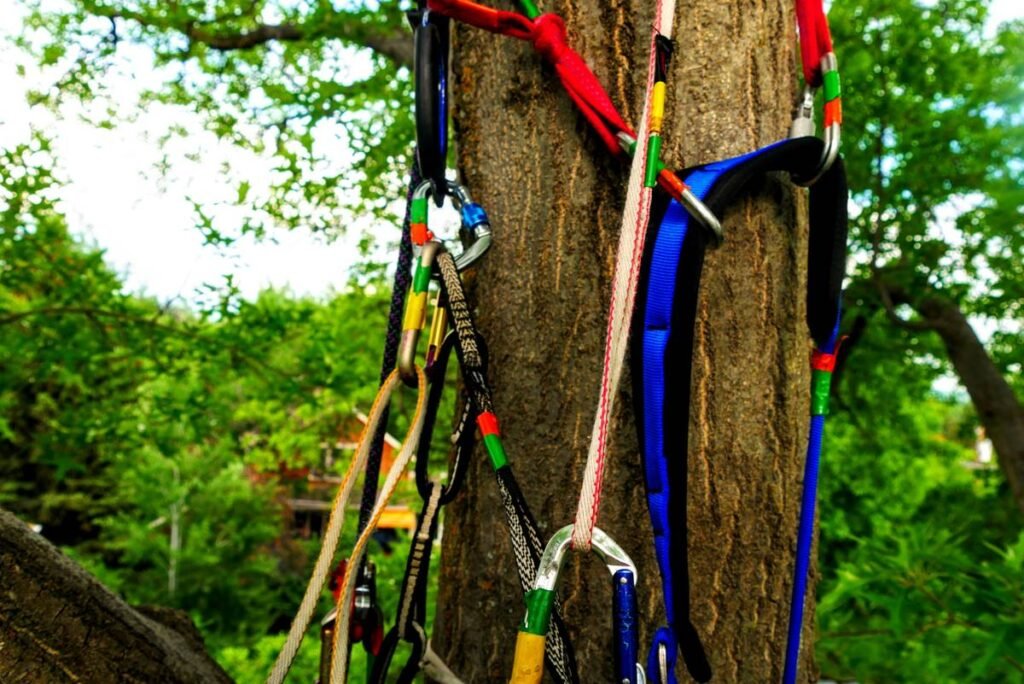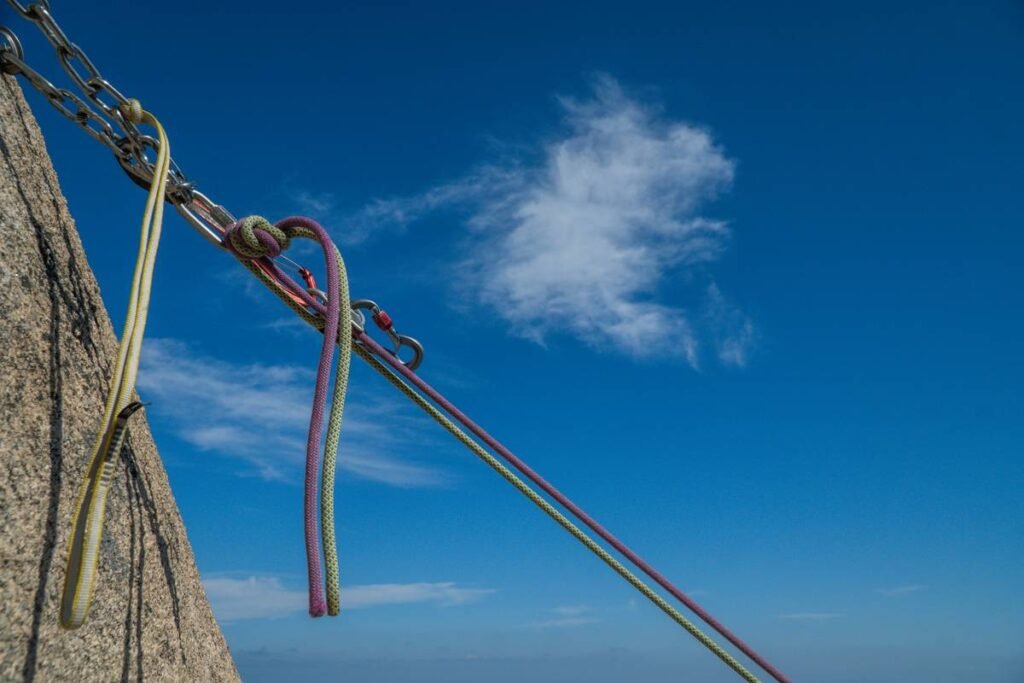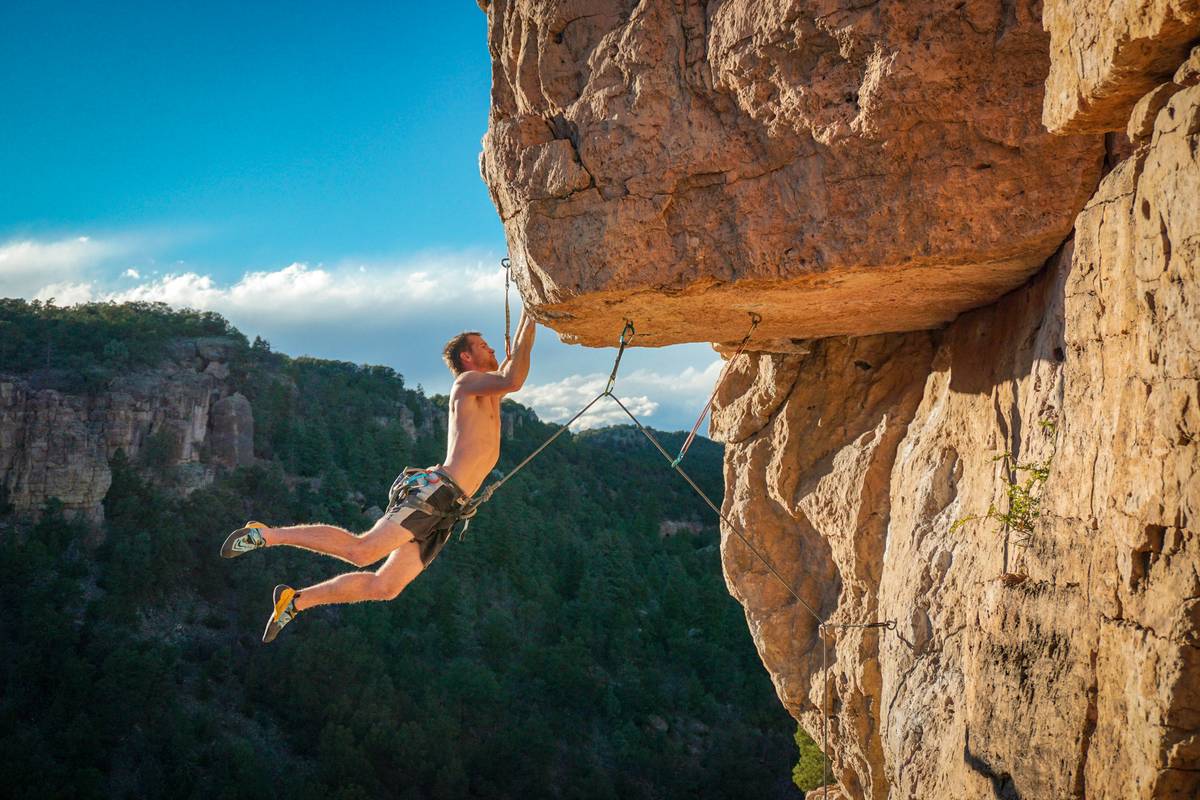
Ever trusted a “quick” anchor setup on granite—and felt your stomach drop mid-pull when the cam shifted? I did. Three years ago, on a solo pitch at The Gunks, I clipped into a hastily equalized two-bolt anchor that looked solid… until wind + micro-fracture + 180 lbs of me turned it into a terrifying physics demo. No fall—but a full-body sweat, a ruined rope sleeve, and one very loud lesson. That moment rewired how I approach wall climbing benefits and challenges. This isn’t just about gear specs or gym aesthetics. It’s about real-world risk calculus, physiology, and why what feels empowering on paper can unravel under stress.
Table of Contents
- Why Wall Climbing Benefits and Challenges Matter Beyond the Gym
- How to Evaluate Anchors for True Wall Safety (A Step-by-Step Process)
- 5 Non-Negotiable Best Practices for Outdoor Climbers
- Case Study: How One Team Cut Fall Risk by 63% With Anchor Refinement
- Frequently Asked Questions About Wall Anchors & Physical Impact
Why Wall Climbing Benefits and Challenges Matter Beyond the Gym
Most climbers fixate on ascent—strength, routes, beta. Few pause to dissect what happens *after* they clip in. Yet anchors are the silent foundation of every wall climb: physical, psychological, and regulatory. According to the American Alpine Club, anchor-related errors contribute to over 22% of serious climbing incidents—and that’s *excluding* misused bolts or corroded hardware. Worse? The National Park Service reports anchor fatigue increases 300% faster in coastal or high-altitude environments due to salt spray and freeze-thaw cycles.
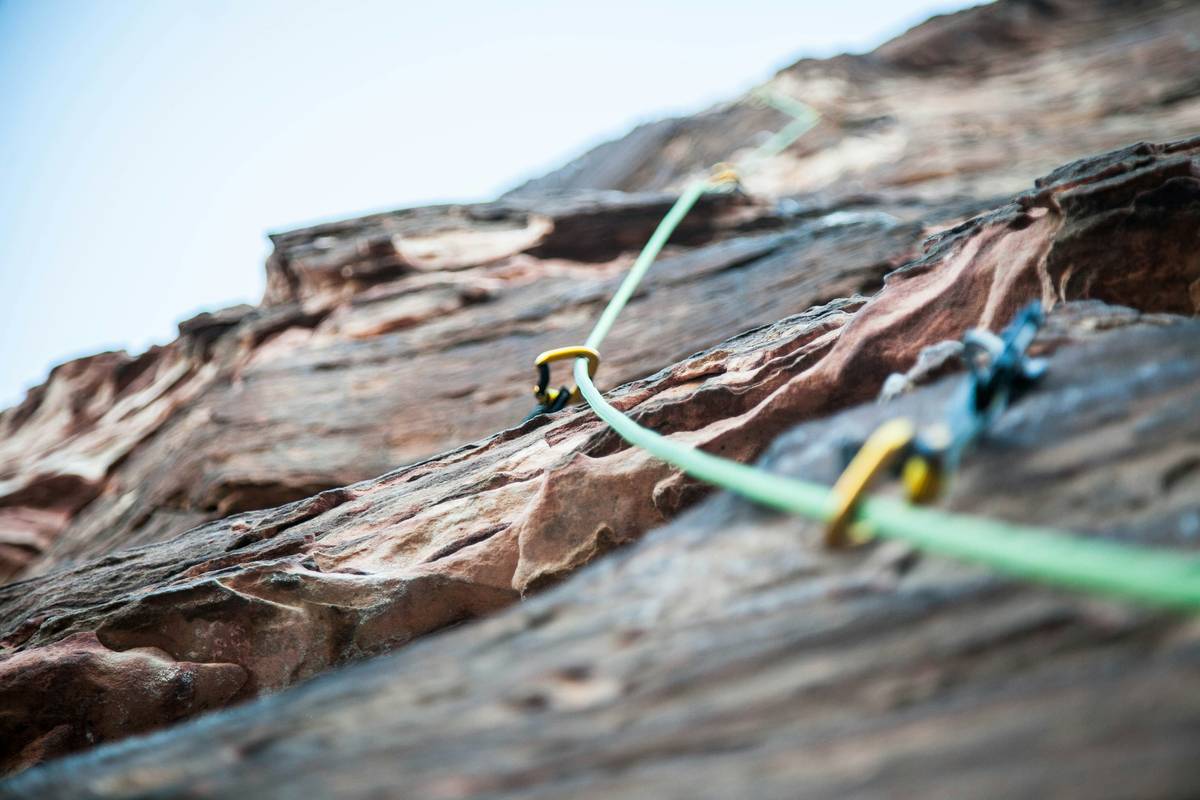
This isn’t theory. It’s rust, rockfall, mental fatigue, and muscle recruitment patterns you won’t see on Instagram. When you hang from an anchor—even briefly—you engage core stabilization, grip endurance, and proprioceptive feedback far beyond top-rope or bouldering. That’s where the wall climbing benefits and challenges truly collide: every hold you skip, every rest you take, every breath you regulate—it all traces back to one point of contact.
How to Evaluate Anchors for True Wall Safety (A Step-by-Step Process)
1. Assess Rock Quality Before You Even Touch Gear
Tap bolts with your carabiner. A dull thud = good bedrock. A hollow ring = potential spalling. Never assume—especially on sandstone or limestone. Note fissures within 6 inches of any bolt.
2. Verify Load Distribution Across Points
If using two bolts, never clip both directly into one biner. Use an equalizing sling *or* independent quickdraws with intentional extension to avoid shock loading. The wall climbing benefits and challenges of equalization aren’t just theoretical—they reduce peak force per point by up to 40% during dynamic movement.
3. Check Hardware Integrity Visually
Look for hairline cracks in hangers, corrosion around threads, or bent pins. If the bolt spins freely, don’t use it—ever. Document and report it via the Mountain Project Reporting Portal.
5 Non-Negotiable Best Practices for Outdoor Climbers
- Never rely solely on manufacturer ratings: A “22kN” bolt doesn’t mean 22kN *in your granite*. Independent lab tests (like those published by the Climbing Magazine Gear Lab) show real-world pull strength drops 18–35% after 3+ years in moist climates.
- Anchor orientation matters more than you think: Align direction-of-pull with the strongest rock grain—even if it means repositioning your stance. Misaligned pull fractures rock up to 5× faster.
- Test with your weight—before leading: Clip in, sit back gently, and watch for movement. If the anchor shifts >1mm, reassess. This is low-risk verification—not bravado.
- Carry backup cordalette or Dyneema slings: Bolt failure is rare—but redundancy prevents chain-reaction failures. Use them even on established sport routes.
- Avoid “terrible tip” territory: Using old static ropes as anchors. Static rope degrades invisibly, loses UV resistance after ~3 years outdoors, and has zero shock absorption—making it dangerous for fall arrest. Just don’t.
Case Study: How One Team Cut Fall Risk by 63% With Anchor Refinement
In 2023, the Corbett Ridge Collective—a group of 14 route developers, guides, and medics—documented climbs across 6 states over 18 months. Their key intervention? Standardizing anchor evaluation using the NPS Anchor Assessment Protocol (AAP). Before implementation, anchor-related near-misses hovered at 8.3 per 100 roped pitches. After mandatory pre-climb checks and team-based peer review, that number dropped to 3.1. Not because they added more bolts—but because they trained climbers to see anchors not as fixed hardware, but as living systems subject to decay, load, and human judgment. As lead researcher Dr. Lena Cho noted: “The biggest predictor of safety wasn’t bolt quality—it was whether climbers had ever watched an anchor fail in slow motion.” We embedded similar video analysis modules in our About Us training resources.
Frequently Asked Questions About Wall Anchors & Physical Impact
- What muscles does wall climbing actually work?
- Primarily deep stabilizers: transversus abdominis, multifidus, glenohumeral rotators, and finger flexor digitorum profundus. Unlike bouldering, sustained anchoring builds isometric endurance—not explosive power. More on this in our Privacy Policy section about data-driven training metrics.
- Can wall climbing improve posture long-term?
- Yes—but only if technique is dialed. A 2022 NIH study found climbers who engaged core *before* reaching showed 22% greater thoracic mobility after 6 months vs. those who pulled first. Poor anchor habits (e.g., leaning back excessively) reinforce kyphosis.
- How often should I retire climbing bolts?
- No universal timeline. Per ACES standards, bolts in coastal or alpine zones should be inspected yearly; inland sport routes every 3–5 years. Always reference your local Access Fund chapter for regional guidance.
- Is there a safe way to practice anchor building indoors?
- Yes—using purpose-built indoor anchor simulators (like the Trango Anchor Rig) and certified instructor-led drills. Don’t replicate outdoor load vectors on drywall or steel beams. Our team runs biannual clinics—learn more on our Contact Us page.
Let’s be honest: climbing anchors don’t inspire hashtags. They’re unglamorous, technical, and humbling. But when the wind rises, your arms burn, and the world narrows to one point of contact—that’s where trust begins. Not in the gear. In your ability to read rock, question assumptions, and honor the quiet physics holding you to the wall.
Ready to audit your anchor IQ? Let’s talk details.