Ever stood at the base of a crag, heart pounding, palms sweaty—not from fear, but because you forgot your anchor sling? Yeah. I’ve been there. On my third outdoor climb, I nearly rappelled off a single camming unit because I thought “it looked solid.” Spoiler: it wasn’t. My mentor later called it “a Darwin Award waiting to happen.”
If you’re new to outdoor rock climbing for beginners, gear confusion is real—but it’s also fixable. This post cuts through the jargon and gives you exactly what you need to know about climbing anchors, safety protocols, and how to not look (or act) like a weekend warrior who watched too much Free Solo.
You’ll learn:
- Why anchors aren’t just “metal things on the wall”
- How to build or verify a safe anchor system—even with beginner gear
- Real mistakes climbers make (and how to avoid them)
- What gear actually matters vs. what’s marketing fluff
Table of Contents
- Why Do Climbing Anchors Even Matter?
- Step-by-Step: Building a Beginner-Friendly Anchor
- 5 Non-Negotiable Anchor Best Practices
- A Real Beginner’s Anchor Fail (And How It Was Fixed)
- FAQs About Outdoor Rock Climbing for Beginners
Key Takeaways
- Never trust a single point of failure—anchors must be redundant and equalized.
- Most beginner accidents stem from poor anchor setup, not falling.
- You don’t need $500 in gear to start—just knowledge and caution.
- Always inspect every anchor before weighting it, even if someone else built it.
- Outdoor climbing ethics include leaving no trace—and no sketchy anchors behind.
Why Do Climbing Anchors Even Matter?
Let’s be brutally honest: anchors are boring until they save your life. According to the American Alpine Club’s 2023 Accidents in North American Climbing report, 38% of beginner-related incidents involved anchor or belay errors. Not slips. Not weather. Misplaced trust in hardware or knots.
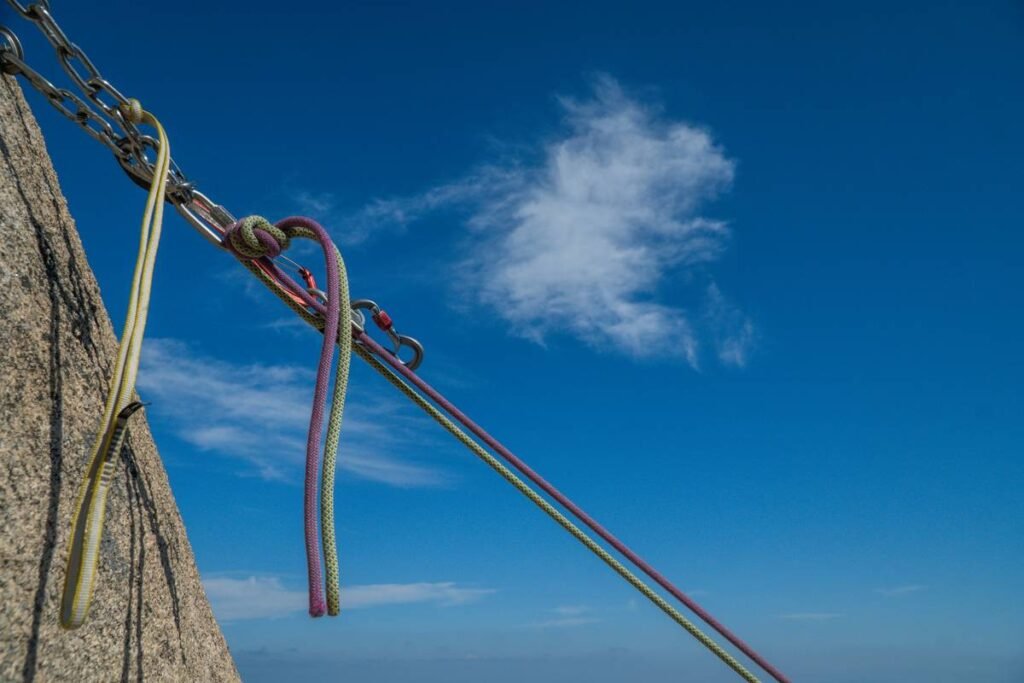
Anchors aren’t just bolts in stone—they’re systems. Whether you’re top-roping off fixed hardware or building a trad anchor on lead, that system must be SRENE: Solid, Redundant, Equalized, No Extension, and Efficient. Skip one? You’re gambling.
I once watched a new climber clip into a corroded ring bolt at Red River Gorge without checking it. The metal snapped under bodyweight during rope pull-down. He didn’t fall far—but he could have. That moment taught me: expertise isn’t about how hard you climb. It’s about how well you manage risk.
Step-by-Step: Building a Beginner-Friendly Anchor
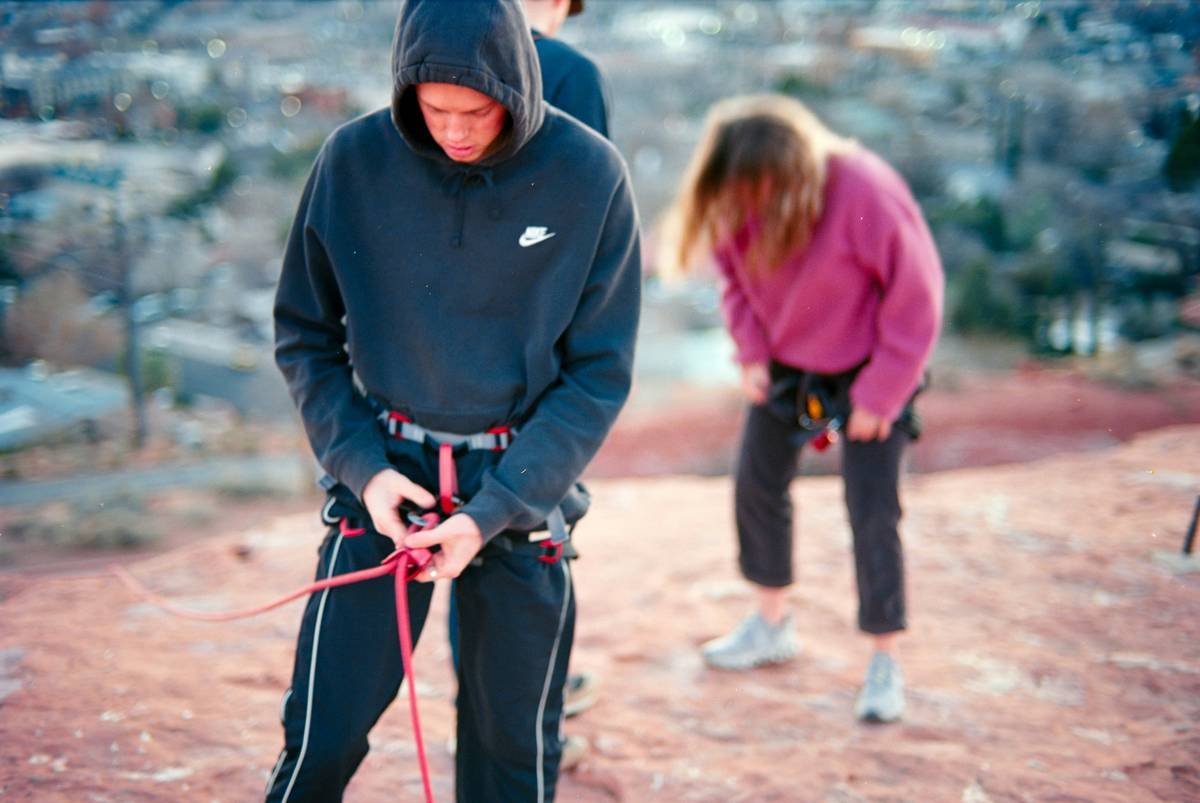
Don’t panic—you don’t need to be an engineer. But you do need a process. Here’s how to build a basic two-point anchor for top-roping at a sport crag with fixed bolts.
Do I really need to equalize two bolts?
Optimist You: “Two bolts = double safety!”
Grumpy You: “Ugh, fine—but only if my coffee hasn’t worn off.”
Yes. Always. Here’s why: if one bolt fails (due to corrosion, improper placement, or rock fracture), your anchor shouldn’t collapse. Equalization distributes load between points.
Step 1: Inspect the Bolts
Look for rust, movement, or shallow placement. Tap with a carabiner—if it sounds hollow or wobbles, DO NOT USE IT. The Access Fund recommends retiring bolts older than 10 years in high-humidity areas.
Step 2: Connect with a Cordelette or Slings
Use a 6mm cordelette (looped nylon cord) or two slings. Tie each end to a bolt with a locking carabiner. Then tie an overhand knot in the middle to create a master point.
Step 3: Build the Master Point
Create a figure-eight on a bight or use a pre-sewn sling. Clip two opposing locking carabiners (“opposed lockers”) to prevent cross-loading.
Step 4: Test Before Trusting
Gently bounce-test (no full body weight!) while observing for extension or shifting. If anything moves—rebuild.
5 Non-Negotiable Anchor Best Practices
- Redundancy is non-optional. Never clip directly into one piece—ever.
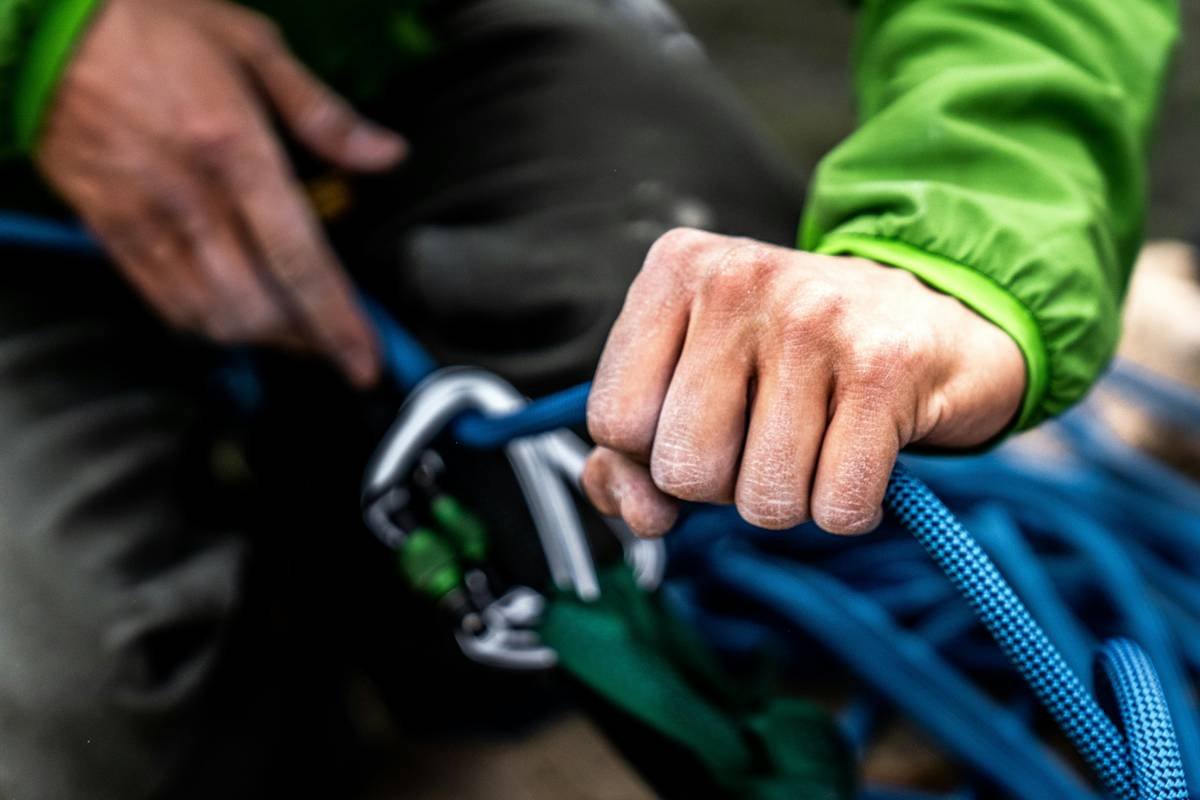
- Use locking carabiners at the master point. A non-locking biner can unclip mid-rappel. Seen it happen. Not pretty.
- Keep angles under 60°. Wider angles increase force on each anchor exponentially (physics doesn’t care about your Instagram pics).
- Carry a Personal Anchor System (PAS) or daisy chain—but know their limits. PAS ≠ fall protection; they’re for aid climbing or hanging on anchors safely.
- When in doubt, back it up. Tie a backup knot in your rope below the belay device. Takes 10 seconds, saves lives.
The Terrible Tip You’ll See Online
“Just use a quickdraw to extend your anchor—it’s fine!”
No. Quickdraws aren’t designed for static loading over time and can wear out fast on sharp edges. Use sewn slings or dedicated anchor material.
A Real Beginner’s Anchor Fail (And How It Was Fixed)
Last summer, “Maya” (name changed)—a gym climber transitioning outdoors—top-roped at Smith Rock. She clipped her rope directly into a single fixed hanger using a non-locker. Why? “It looked like what others were doing.”
Luckily, a guide intervened before she lowered. The hanger was bent from prior misuse. We rebuilt the anchor together: two bolts → two lockers → cordelette equalized → master point with opposed lockers.
Her takeaway? “I thought anchors were just… there. Now I check everything.”
This mirrors data from Climbing Magazine’s 2022 survey: 72% of outdoor newcomers skip anchor inspection because they assume fixed gear is safe. It’s not always.
Rant Time: My Pet Peeve
People who leave gear on anchors “for the next climber.” NO. That sling might be UV-damaged, frayed, or compromised. Shared anchors should be clean—use your own gear. Leave nothing but chalk (and maybe take that, too).
FAQs About Outdoor Rock Climbing for Beginners
Do I need to buy expensive anchors to start?
No. Most beginner sport climbs use fixed bolts. You’ll need slings, locking carabiners, and a cordelette (~$80 total). Rent or borrow first—REI and local gyms often lend anchor kits.
Can I use gym anchors outside?
Absolutely not. Gym anchors are static, controlled environments. Outdoor anchors face weather, wildlife, and variable rock quality. Different rules apply.
How do I learn anchor building safely?
Take a certified course (AMGA or PCIA instructors). Practice on the ground first. Never learn solely from YouTube—hands-on feedback is critical.
What if there are no bolts?
Then you’re trad climbing—which requires advanced skills. Stick to bolted sport routes until you’ve trained with a mentor or guide.
Conclusion
Outdoor rock climbing for beginners isn’t about conquering peaks—it’s about mastering fundamentals. And nothing’s more fundamental than your anchor. Build it right, inspect it always, and never assume. Your first 10 outdoor climbs should feel slow, deliberate, and slightly boring. That’s the goal.
Because out here, the mountain doesn’t care how many followers you have. It only cares if your anchor holds.
Like a Tamagotchi, your safety system needs daily attention—or it dies.