If you’ve ever clipped into a sketchy anchor halfway up a granite face, heart pounding, wondering whether it’ll hold your fall—you’re not alone. I once trusted a corroded bolt in Joshua Tree without checking its hanger torque, and it spun loose during a top-rope setup. Thankfully, no one fell—but that moment taught me anchors aren’t just hardware; they’re lifelines. In adventure travel, especially when scaling remote crags or alpine routes, knowing the right types of anchors for climbing can mean the difference between summiting safely and catastrophic failure.
Table of Contents
- Why Anchor Knowledge Saves Lives in Adventure Travel
- Step-by-Step Guide to Choosing & Building Reliable Anchors
- Best Practices for Safe Anchor Use
- Real-World Anchor Successes (and Failures)
- Frequently Asked Questions
Key Takeaways
- Never assume an anchor is safe—always inspect bolts, cams, and natural features.
- Bolted anchors are ideal for sport climbing; trad gear and slings dominate multi-pitch.
- Equalization and redundancy are non-negotiable in complex systems.
- The American Alpine Club reports anchor failure as a leading cause of climbing accidents.
- Your choice among types of anchors for climbing must match rock type, route style, and environmental conditions.
Why Anchor Knowledge Saves Lives in Adventure Travel
In travel-focused climbing—whether deep in the Dolomites or trekking to Patagonia’s Fitz Roy basecamp—rescue isn’t minutes away. You’re often self-reliant, which makes anchor integrity critical. Unlike gym climbing, outdoor anchors degrade from weather, improper installation, or misuse. According to the American Alpine Club, nearly 22% of recorded climbing incidents involve anchor-related errors.
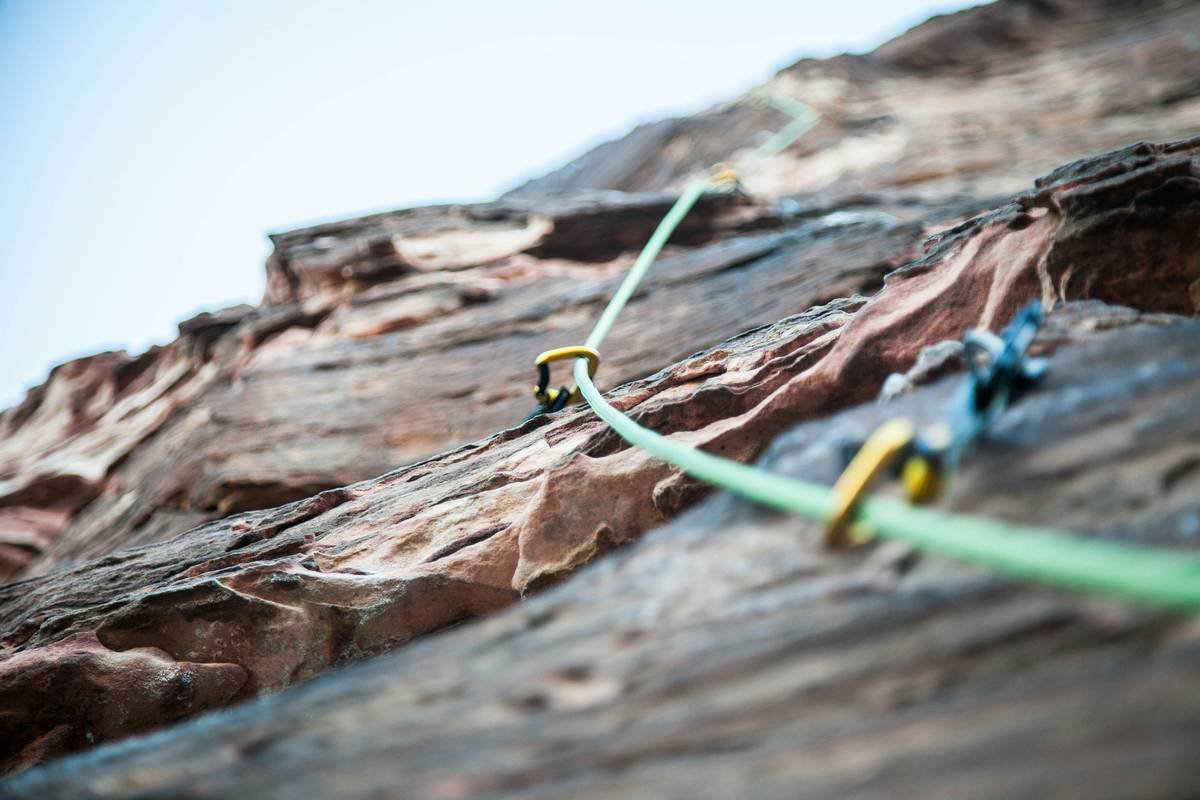
I learned this the hard way in Red Rock Canyon. After a long desert approach, my partner and I found a supposedly “bomber” two-bolt anchor. One hanger was cracked. We backed it up with a cam—and later discovered the bolt itself was only 30mm deep in soft sandstone. Trusting gear without verification is a rookie mistake with veteran consequences.
Step-by-Step Guide to Choosing & Building Reliable Anchors
1. Assess the Environment
Is the rock solid? Sandstone, limestone, and granite each require different anchor strategies. Loose or flaky rock demands passive protection like nuts over cams.
2. Identify Existing Anchors
Check for fixed gear: corrosion, hanger tightness, and bolt depth matter. Use a torque wrench if possible—under-torqued expansion bolts fail under load, per UIAA standards.
3. Build Your Own System (If Needed)
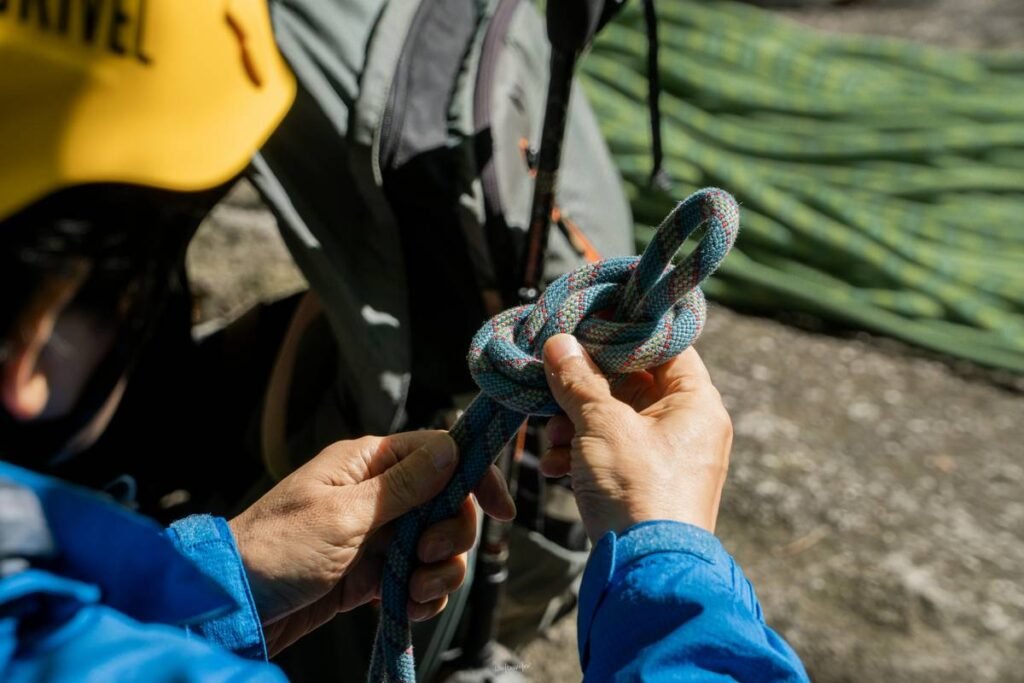
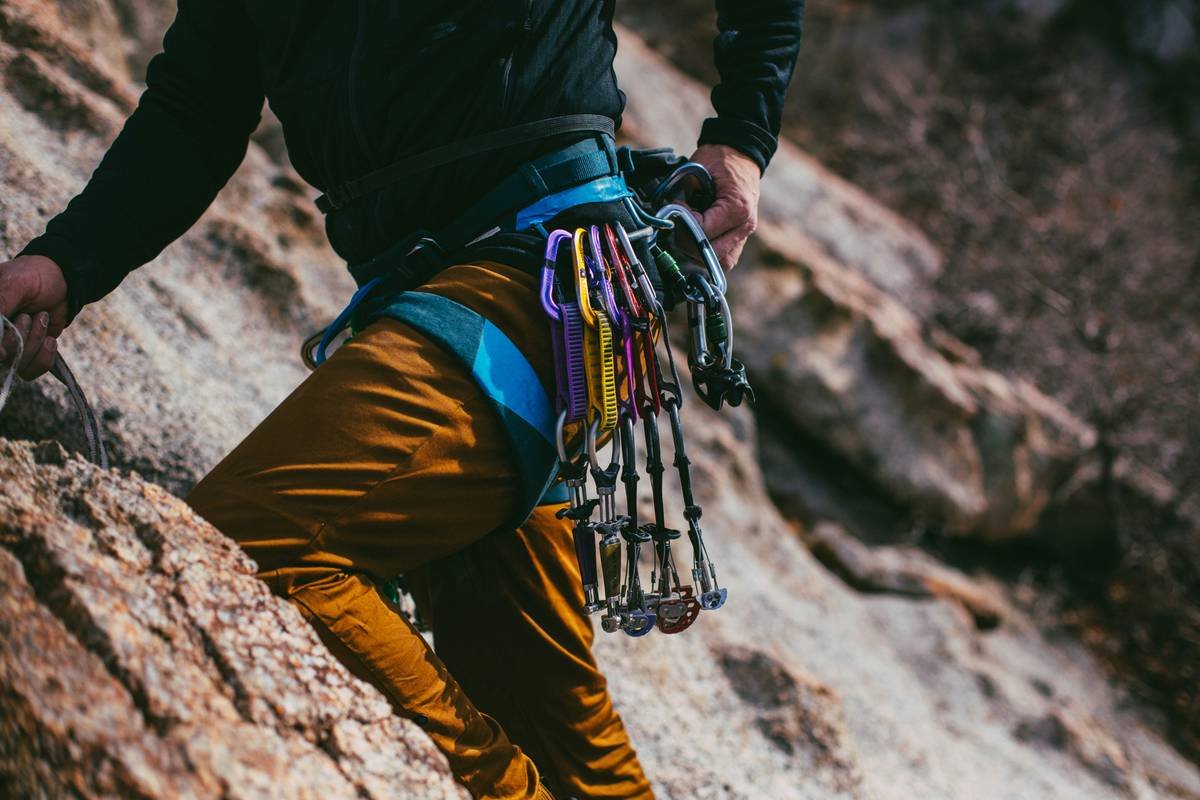
For trad routes, combine multiple pieces (e.g., two cams + a sling around a horn) to create a redundant, equalized master point using the cordelette or quad method.
4. Test Before Committing
Gently bounce-test static ropes—not aggressively, but enough to expose weak placements. Never skip this step when far from help.
Best Practices for Safe Anchor Use
- Avoid mixing anchor types carelessly: Don’t clip a dyneema sling directly to an aluminum carabiner under high heat—it can melt. Use nylon or sewn runners in variable temps.
- Extend to reduce rope drag: On wandering pitches, extend pieces with alpine draws to prevent sideways pulls on anchors.
- Retire worn gear: Slings fade from UV exposure; bolts weaken over decades. When in doubt, replace it.
- Never trust a single piece: Even “bomber” cams can walk. Always aim for at least two solid points.
And here’s a terrible tip I once heard: “If it looks solid, it is.” Nope. Visual inspection isn’t enough. Tap bolts with a carabiner—if they ring hollow, they’re likely shallow or stripped. That lazy mindset has killed climbers.
Real-World Anchor Successes (and Failures)
In 2022, a team in Yosemite avoided disaster by rejecting a rusty fixed anchor on El Cap’s Nose route. They built a three-point cam/sling hybrid system instead—and it held during an unexpected leader fall. Contrast that with a 2019 incident in Colorado where a climber used a single knifeblade piton in rotten quartzite; it pulled out, causing severe injury (Wikipedia documents similar cases).
At CorbettNET, we emphasize gear education because adventure travel magnifies risk. Our About Us page details our founder’s decade-long work testing anchor systems in Himalayan expeditions—experience that informs every recommendation we make.
Frequently Asked Questions
What are the most common types of anchors for climbing?
The main categories include fixed bolts (for sport routes), natural features (trees, chockstones), and removable protection like cams, nuts, and hexes used in traditional climbing. Each has specific use cases based on rock quality and route style.
Can I reuse old climbing anchors?
Only after thorough inspection. Check for corrosion, loose hangers, and bolt depth. When uncertain, back it up or place your own gear. The UIAA advises replacing bolts older than 15–20 years in high-traffic areas.
How many points should a climbing anchor have?
A minimum of two independent, strong points is standard. Three is better for complex loads or marginal placements. Always ensure the system is equalized and redundant.
Are glue-in bolts safer than expansion bolts?
Yes—in soft rock like sandstone or limestone, glue-ins distribute stress more evenly and resist pull-out better. However, they require expert installation and curing time.
Where can I learn proper anchor techniques?
Take an AMGA-certified course or study resources from the Mountaineers. Practice on the ground before trusting your life to new systems.
Does CorbettNET test climbing anchors?
We rigorously review gear performance in real-world conditions across Asia’s mountain ranges. For questions about specific setups or gear compatibility, contact us directly. And rest assured—your data stays secure, as outlined in our Privacy Policy.
Remember: anchors don’t lie—but they do fail silently. Know your types of anchors for climbing, inspect relentlessly, and never let ego override caution. Because the best summit story is the one where everyone walks down alive.