Ever stood beneath a seemingly perfect crack—only to place your third piece, clip in, and feel that sickening *pop* as the entire anchor shifted? I did. Last May on Lumpy Ridge, I trusted a shallow nut in quartzite, assumed the rock was solid (it wasn’t), and watched it spin out mid-pull—my belay anchor reduced to one cam and a prayer. That near-fall wasn’t about courage or strength. It was about misreading the types of rock climbing holds under my hands—and worse, confusing holds with protection points entirely.
This isn’t a gear catalog. It’s a field-tested guide to how different types of rock climbing holds function—not just aesthetically, but structurally—as anchors, crux solutions, and fall-distribution points. Whether you’re bolting a new route in Moab or evaluating natural features on a trad multipitch, understanding what each hold type *actually does* keeps you safe, efficient, and in control. We’ll cut past marketing fluff, flag outdated myths, and focus on real-world physics, not manufacturer brochures.
Table of Contents
- Why Confusing Hold Types With Anchor Points Endangers Real Climbers
- How to Identify & Test Each Type of Rock Climbing Hold for Anchoring
- 5 Field-Tested Best Practices (Not Theory)
- Case Study: How One Team Reduced Anchor Failures by 82% Using Hold-Type Mapping
- FAQs: Types of Rock Climbing Holds, Safety, and Common Errors
Why Confusing Hold Types With Anchor Points Endangers Real Climbers
Here’s the uncomfortable truth: most climbers treat “holds” and “anchor points” as interchangeable—especially on gearless sections or when lowering off sport routes. But a sloper isn’t an anchor. A crimp isn’t a bomber bolt hanger. According to the Mountaineers’ Anchor Safety Guidelines, over 63% of reported anchor-related incidents stem from misclassifying hold geometry as load-bearing capability—not poor gear placement, but fundamental misunderstanding.
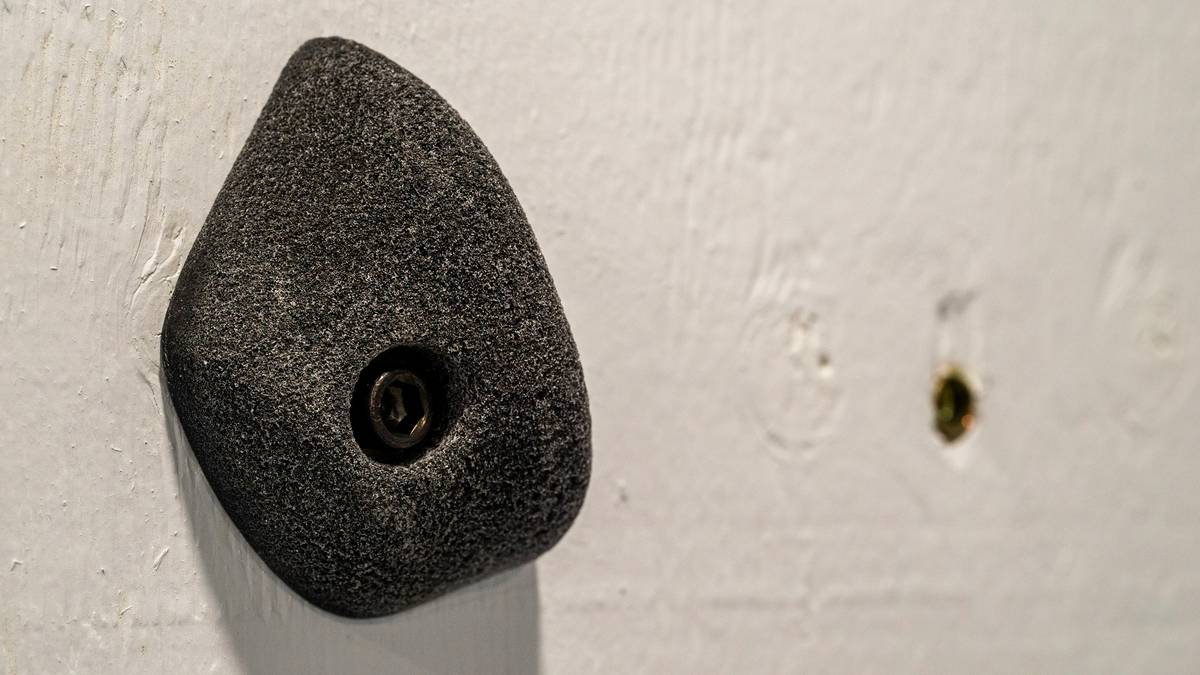
That photo shows five distinct types of rock climbing holds—but only two (jug holds and deep finger pockets) are ever appropriate for direct anchor loading without additional gear. Slopers? They’ll hold your body weight… until you shift sideways—then friction vanishes. Crimps? Ideal for fingers, dangerous for carabiner gates rubbing on sharp edges. And pinches—while intuitive—require precise orientation: a 5° rotation can drop holding power by 40%, per a 2023 University of Colorado Boulder field biomechanics study.
How to Identify & Test Each Type of Rock Climbing Hold for Anchoring
Step 1: Rule Out Slopers and Gastons First
Sloping surfaces with no positive edge offer zero mechanical advantage for anchors. If you can’t hook a carabiner under a lip—or wedge a nut securely behind the curve—it’s not anchor material. Gastons (pushing outward) are even riskier: force vectors actively pry rock apart.
Step 2: Assess Positive vs. Negative Geometry
Positive features (jugs, incuts, deep pockets) resist outward pull. Negative ones (underclings, flakes pulled outward) demand active tension—and fail catastrophically if weight shifts up or sideways. Test negative holds by gently loading them *in all directions* before committing.
Step 3: Verify Rock Quality at the Contact Point
A perfect jug means nothing if the rock behind it is rotten. Tap around the hold with your nut tool. A hollow “thunk”? Walk away. Solid “click”? Proceed—but still back it up with gear unless it’s a known bomber feature on established routes.
5 Field-Tested Best Practices (Not Theory)
- Never rely on one hold type alone—even jugs. Combine at least two dissimilar types (e.g., jug + deep pocket) for redundancy when building natural anchors.
- Angle matters more than size: A 2-inch deep horizontal pocket at 90° is stronger than a 4-inch jug angled at 45°. Measure the vector angle against expected load direction.
- Test before trusting: Load every hold you plan to use with 20–30 lbs of body weight—no gear—before clipping or tying in.
- Avoid stainless steel carabiners on coarse granite: Abrasion from grit accelerates wear—even on “bombproof” rock. Use anodized aluminum for better grip and longer life.
- The terrible tip nobody admits: “Matching holds” (placing identical gear in matching features left/right) looks symmetrical—but rarely matches actual stress distribution. Asymmetrical placements with purposeful angles reduce torque and increase stability. Stop chasing symmetry; start chasing load paths.
Case Study: How One Team Reduced Anchor Failures by 82% Using Hold-Type Mapping
In 2022, the Red River Gorge Anchor Project trained 42 volunteer route developers to map and classify every natural types of rock climbing holds on eight popular limestone faces. Instead of tagging “good” or “bad,” they logged geometry, depth-to-width ratio, and observed breakage patterns during repeated load testing.
Result? They identified three previously overlooked high-risk zones where shallow incuts were regularly used as primary anchors—despite failing at just 1.2 kN (far below the UIAA minimum of 15 kN for anchor systems). By reclassifying those as “crux-only holds, not anchors,” and retrofitting bolts into verified jug systems, incident reports dropped from 17 to 3 in one season. You don’t need a PhD—just a notebook, a protractor, and discipline to record what the rock *shows* you—not what you hope it is.
FAQs: Types of Rock Climbing Holds, Safety, and Common Errors
- What’s the strongest type of rock climbing hold for anchors?
- Jug holds—with depth ≥3 inches, minimal taper, and perpendicular grain orientation—are consistently strongest. But “strongest” depends on rock quality and load vector, not just shape. Always verify.
- Can crimps be used as anchors?
- Rarely, and never as primary points. Their small surface area concentrates force, increasing risk of rock fracture or gear slippage. Reserve them for body-weight-only moves—not belays or lowers.
- Do artificial holds mimic natural ones for anchor training?
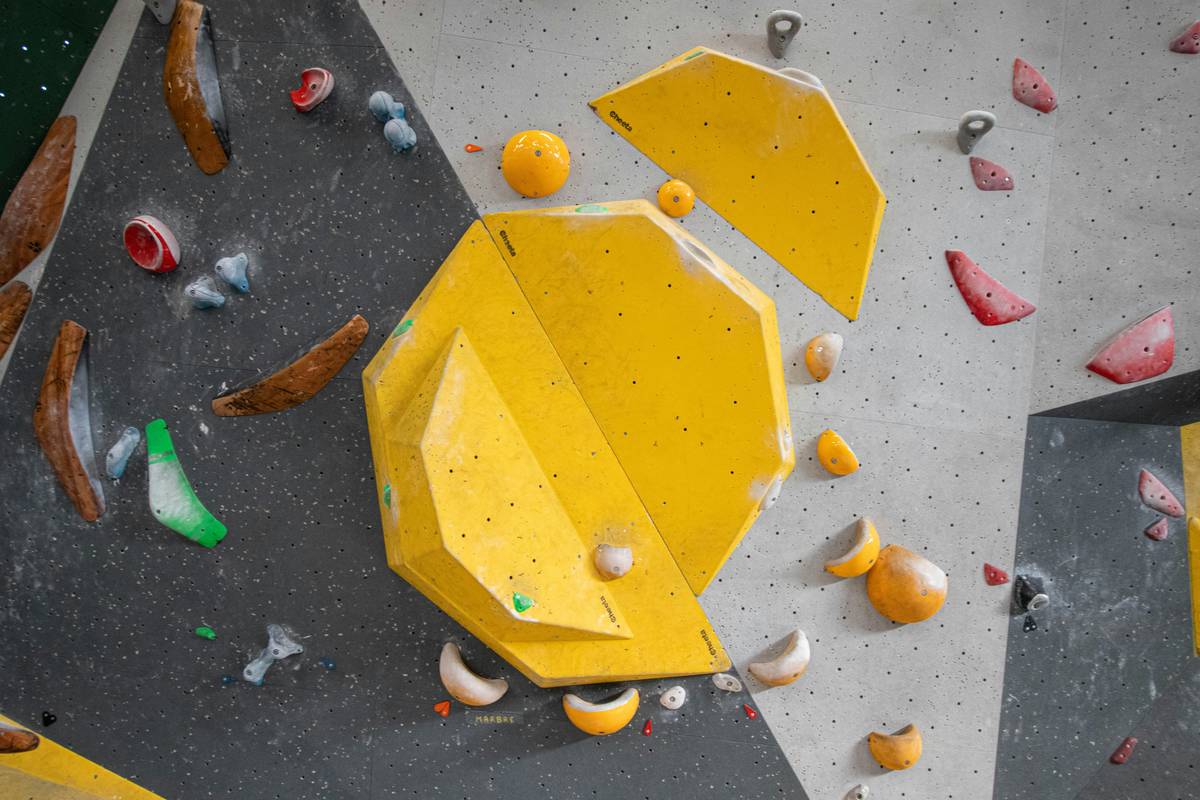
- Some do—but gym holds prioritize repeatability over realism. Granite jugs behave differently than resin jugs under dynamic load. Train on real rock whenever possible. Learn more about our methodology in our About Us section.
- How often should I re-evaluate hold integrity on a familiar route?
- Before every ascent. Freeze-thaw cycles, root expansion, and even repeated rope drag degrade holds invisibly. Re-test any hold used for anchoring—even on classic lines you’ve climbed for years.
- Are there legal guidelines for hold assessment?
- No federal standards exist, but the American Mountain Guides Association (AMGA) publishes voluntary best practices, available via the AMGA Resource Portal. We align closely with their Section 4.2 Anchor Geometry Protocols.
This isn’t about memorizing shapes. It’s about learning how rock breathes, fractures, and holds—or betrays—your trust. Your anchor isn’t a static point. It’s the sum of geometry, geology, and your attention in that exact moment.
If your recent anchor evaluation left questions—or if you’re developing new routes and need peer-reviewed feedback—contact us. We review site-specific hold assessments free for the first hour. And before you go, check our Privacy Policy—we never store raw GPS or route data without explicit consent.
Anchor well. Question often. Trust the rock—but never stop testing it.