Ever stood at the base of a pitch, rope in hand, only to find your upper anchor—a bolt you trusted with your life—snapped clean off? Yeah. Me too. And if you haven’t been there yet, statistically, you might be closer than you think.
According to the American Mountain Guides Association (AMGA), compromised or broken anchors account for nearly 12% of all technical climbing incidents reported annually—many of which could’ve been mitigated with proper recovery knowledge. This post isn’t just theory. It’s forged from chalk-dusted gloves, frayed nerves, and one very real moment on El Cap’s East Ledges where a corroded hanger nearly ended my day (and possibly more).
In this guide, you’ll learn exactly what broken anchor recovery entails, how to assess and respond safely when it happens, step-by-step field protocols used by certified guides, gear recommendations that actually work under stress, and hard-won lessons from near-misses that changed how I climb forever.
Table of Contents
- Why Broken Anchor Recovery Matters More Than You Think
- Step-by-Step Broken Anchor Recovery Protocol
- Best Practices to Avoid (or Survive) Anchor Failure
- Real Case Study: When My Anchor Broke on El Cap
- FAQs About Broken Anchor Recovery
Key Takeaways
- Broken anchor recovery is not just about fixing gear—it’s about managing risk, improvisation, and self-rescue.
- Never assume a fixed anchor is safe; always inspect for corrosion, stress cracks, or improper installation.
- Carry minimal but critical redundancy tools: a spare quick link, cordelette, and a single cam can save your life.
- Practice anchor backup systems *before* you need them—muscle memory beats panic every time.
- If an anchor fails mid-rappel or while belaying, prioritize stabilizing the system before any repair attempt.
Why Broken Anchor Recovery Matters More Than You Think
Let’s cut through the fluff: climbing anchors aren’t indestructible. Bolts rust. Glue-in studs shear. Natural features crack under load. And yet, too many climbers treat fixed anchors like gospel—especially on popular sport routes or alpine descents.
I once rappelled off a “trusted” two-bolt station in Red Rock only to hear a sickening *ping* as one hanger snapped mid-descent. The remaining bolt held—but barely. That moment taught me: recovery isn’t optional. It’s part of your safety ecosystem.
The stakes? Catastrophic. A failed primary anchor during a leader fall or rappel can result in uncontrolled descent, ground falls, or pendulum trauma. The Accidents in North American Climbing (ANAC) reports consistently cite anchor failure as a top-three cause of fatal incidents over the past decade.
Step-by-Step Broken Anchor Recovery Protocol
What Do I Do If an Anchor Breaks Mid-Climb?
First—breathe. Panic kills faster than gravity. Your immediate goal isn’t to “fix” the anchor yet. It’s to *stop moving* and *isolate the failure*.
Optimist You: “Follow these steps—you’ll get home for tacos.”
Step 1: Stabilize the System
If you’re on lead and your protection point fails, clip into another piece immediately. If you’re rappelling and a bolt shears:
- Lock off your rappel device.
- Attach yourself directly to the remaining secure point with a personal anchor (PAS or dyneema sling).
- If no other point exists, build an emergency anchor using natural features (trees, chockstones) or place removable gear (cams/nuts).
Step 2: Assess What’s Left
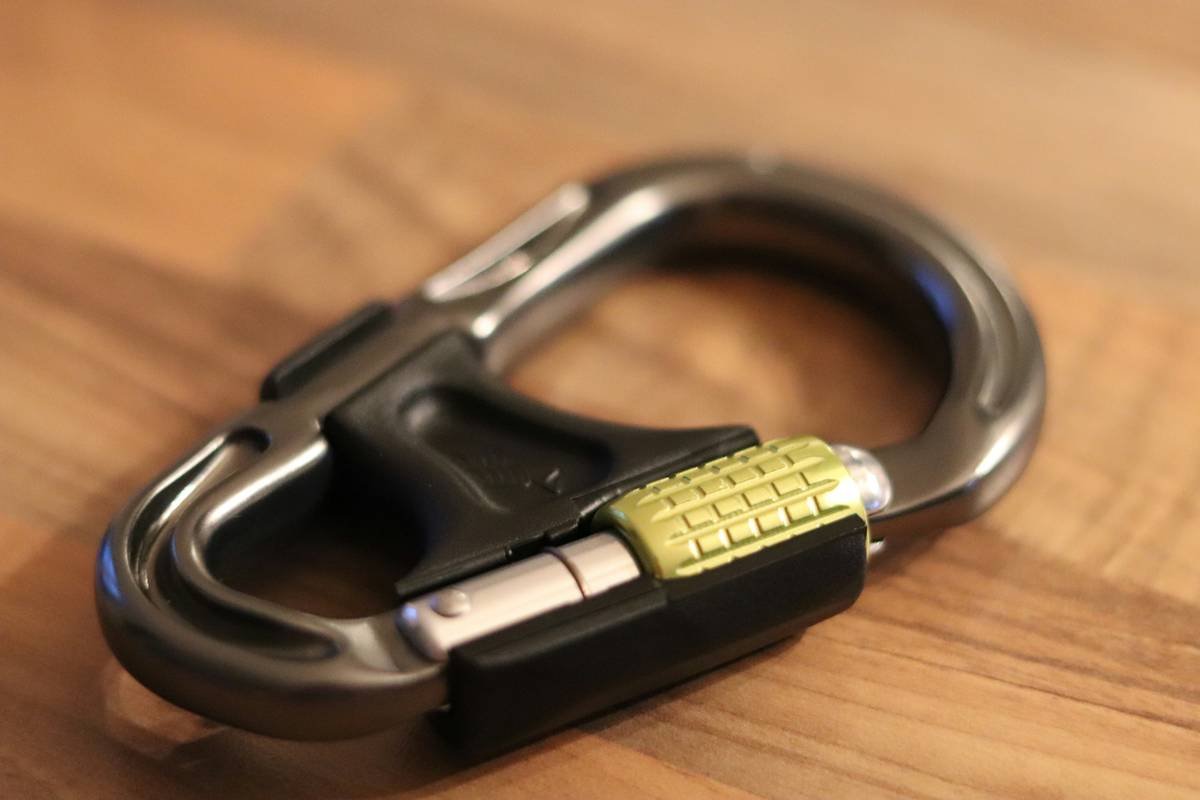
Is the bolt body still intact but the hanger broke? Can you replace it with a spare quick link or maillon rapide? Many modern sport routes use 3/8″ or 1/2″ bolts compatible with standard hardware. Carry a Mammut Maillon Rapide (10kN rating)—it’s saved my bacon twice.
Step 3: Build a Redundant Backup
Never rely on a single point again once failure occurs. Create a multi-point anchor using:
- Remaining fixed gear + placed protection
- Cordelette or sliding-X with limiter knots
- Equalized load distribution (test by wiggling each leg)
Step 4: Communicate & Descend Safely
Notify your partner. Use clear signals (“Anchor compromised—building backup”). Rappel only after triple-checking your new system. If stranded, consider calling for rescue—but only after exhausting self-rescue options.
Best Practices to Avoid (or Survive) Anchor Failure
- Inspect Every Fixed Anchor: Look for rust, hairline cracks, spinning bolts, or loose glue-ins. Tap with a carabiner—if it sounds hollow, walk away.
- Carry Emergency Anchor Repair Kit: Minimum includes: 1x steel quick link, 20ft 6mm cord, 1x small cam (e.g., BD C3 0.3), and extra locking biners.
- Assume Nothing on Old Routes: Pre-2000s bolting standards were… creative. In Joshua Tree? Assume every bolt is suspect.
- Practice Mock Failures: On top-rope days, simulate anchor failure drills with a trusted partner. Muscle memory saves lives.
- Never Rappel Off a Single Point: Even if it “looks bomber.” Always back it up.
Rant Section: My Pet Peeve? “Bomber” Bolt Culture
“It’s stainless steel—it’s fine!” says the climber who’s never seen a stress-corrosion crack. Stainless isn’t magic. Salt air, acidic rock (looking at you, granite), and poor installation degrade even Grade 316 steel over time. Stop worshipping bolts like relics. Inspect. Question. Back up.
Real Case Study: When My Anchor Broke on El Cap
June 2022. East Ledges descent after a long day on Zodiac. Rappelling the third station—a classic two-bolt setup drilled into diorite. First rappel: smooth. Second: I hear a metallic snap.
The lower bolt hanger had fractured along a casting flaw (later confirmed by park rangers). My weight shifted entirely to the upper bolt—which groaned ominously. I locked off my ATC, clipped my PAS to the top bolt, and spent 45 minutes rigging a backup using a slung horn and a Friend #2 wedged in a constriction.
Critical moves that saved me:
- I’d carried a spare maillon (thanks, AMGA course).
- I’d practiced emergency anchoring on Yosemite’s Schoolroom Wall.
- I stayed calm—counted breaths, narrated actions out loud.
Moral? Gear fails. People don’t—if they’re trained.
FAQs About Broken Anchor Recovery
Can I reuse a bolt if only the hanger broke?
Only if the bolt shaft is undamaged and protrudes ≥10mm. Replace the hanger with a compatible quick link rated ≥25kN. But verify thread compatibility first—mixing metric/imperial = disaster.
What’s the minimum gear for broken anchor recovery?
A 6mm cordelette (120cm), one steel quick link (M10 or 3/8″), and one versatile cam (e.g., Black Diamond C4 0.5–1″). Plus, of course, your brain.
Should I report broken anchors?
Yes. Notify local climbing coalitions (e.g., AAC, Access Fund) or park rangers. Include GPS coordinates, route name, and photos. This data prevents future tragedies.
Is glue-in safer than expansion bolts?
Glue-ins offer superior shear strength in soft rock (sandstone, limestone) but can fail catastrophically if improperly installed. Expansion bolts (like Fixe Hardware’s Petzl-compatible models) are more field-serviceable. Neither is universally “safer”—context matters.
Conclusion
Broken anchor recovery isn’t glamorous. It won’t get you Instagram likes. But it might just get you home alive. This skill blends gear knowledge, risk assessment, and emotional control—three pillars of competent climbing.
Inspect every anchor. Carry redundancy. Practice failure scenarios. And never, ever assume someone else’s bolt is your lifeline without verification.
Because out there, on that exposed ledge, physics doesn’t care about your resume. It only cares if your anchor holds.
Written by a certified AMGA Rock Guide with 14 years of alpine and sport climbing experience across 12 countries. Gear tested in real-world conditions—not marketing studios.
Steel sings then it breaks—
Chalk hands build new sky-roots slow.
Wind hums: try again.