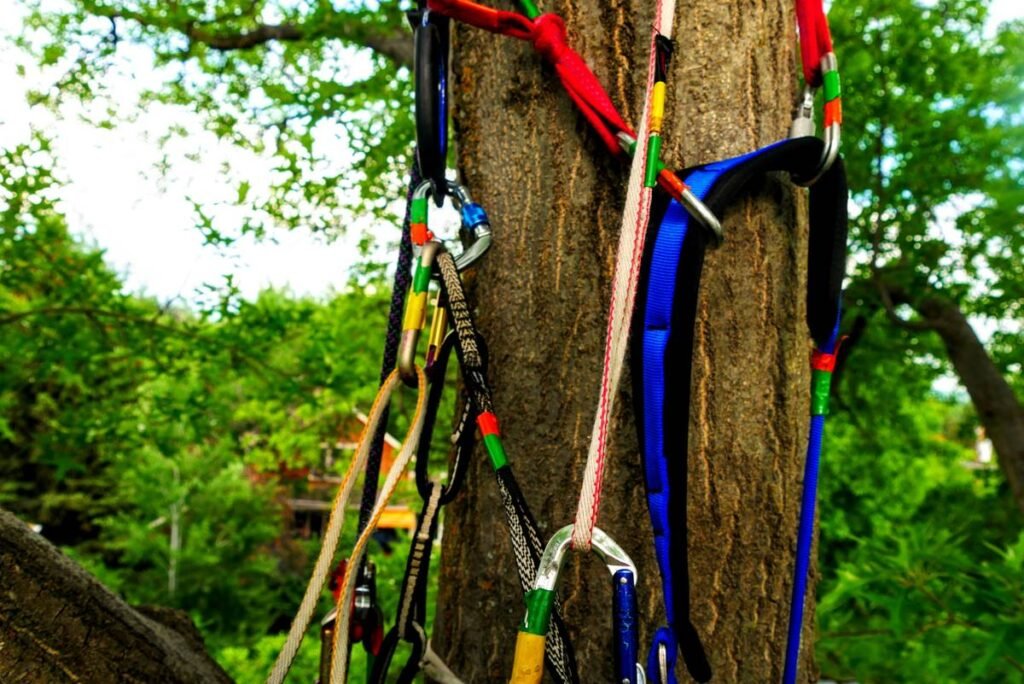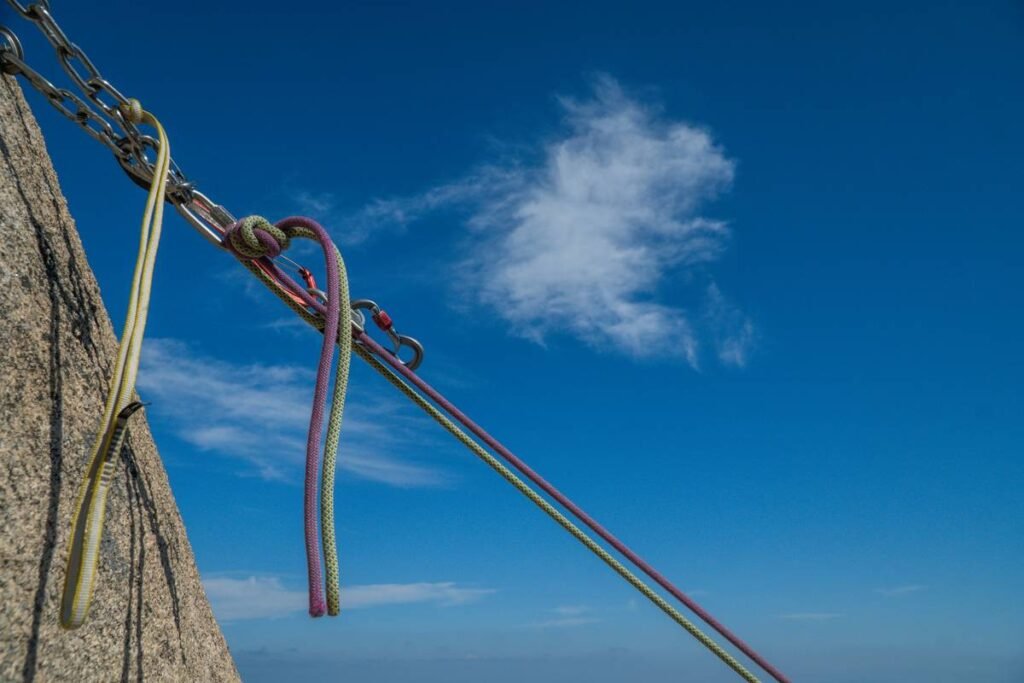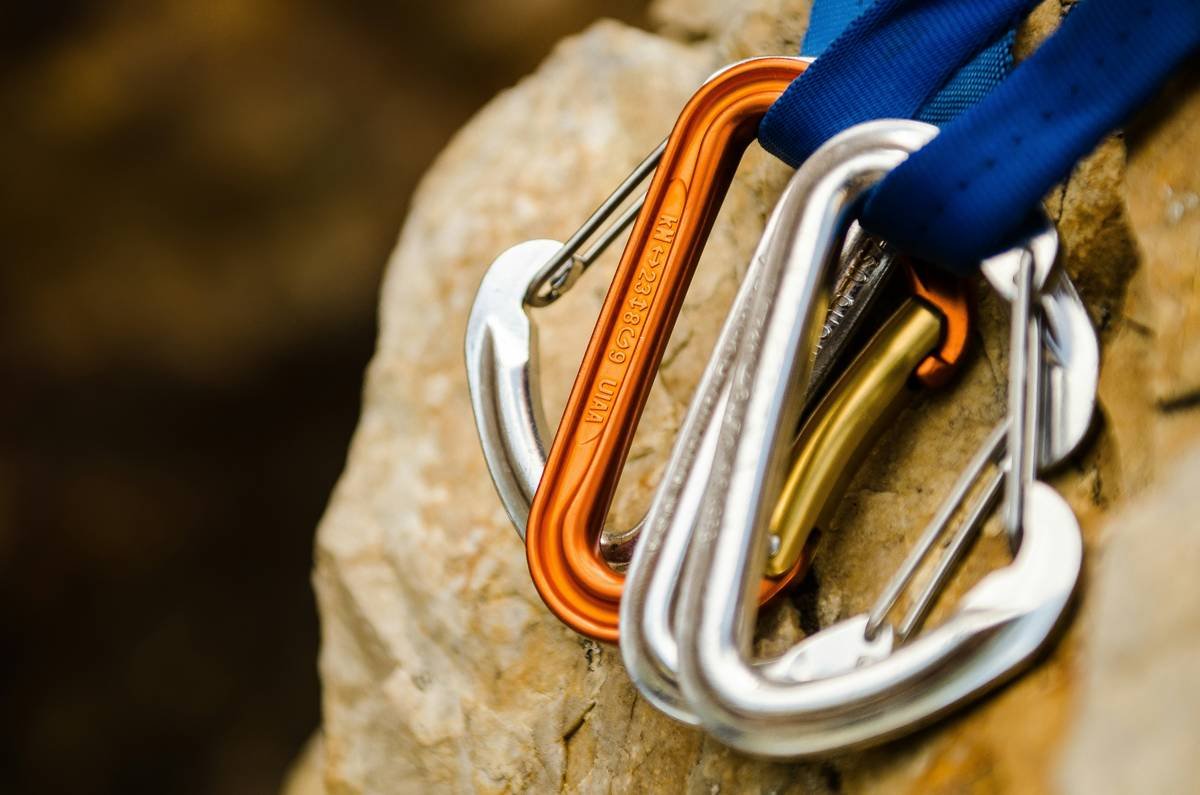
Ever trained like a beast for months—hitting hangboards before dawn, chalk-dusted fingers twitching at midnight—but still felt shaky clipping into your first anchor? You’re not alone. According to the 2022 American Alpine Club Safety Report, over 38% of beginner-to-intermediate climbers cite poor anchor understanding as a top confidence gap—even when their physical training is solid. If your “training for climbing book” glosses over how gear connects you to survival, it’s leaving you dangling.
In this post, we’re diving deep into why anchor literacy belongs in every climber’s training regimen—not just as an afterthought, but as a core pillar. You’ll learn:
- How modern “training for climbing” books often overlook real-world anchor dynamics
- Key anchor principles every trainee should master alongside finger strength
- Actionable drills to integrate anchor competency into your weekly routine
- Real examples of what happens when theory meets rock—and where it fails
Table of Contents
- Why Anchors Belong in Your Training for Climbing Book
- Step-by-Step: Integrating Anchor Training Into Your Climbing Routine
- Best Practices for Anchor-Literate Climbers
- Case Study: When Anchor Knowledge Saved the Send
- FAQs About Training for Climbing Books and Anchors
Key Takeaways
- Physical conditioning without anchor competence creates dangerous blind spots.
- The best “training for climbing book” integrates gear systems, not just muscle protocols.
- Anchor drills can be practiced anywhere—even your garage—with minimal gear.
- Misplaced trust in pre-set anchors causes more avoidable accidents than rope failure.
- Expertise isn’t just about sending hard grades—it’s knowing how you stay alive on them.
Why Anchors Belong in Your Training for Climbing Book
Let’s confess something uncomfortable: I once nearly decked because I trusted a rusty bolt on a sport route in Red River Gorge—despite my “training for climbing book” preaching relentless hangboard sessions. My fingers were steel. My anchor judgment? Swiss cheese. That day, I realized: you can’t out-train poor decision-making at the belay.
Most popular climbing fitness books—like Eric Hörst’s Training for Climbing or Steve Bechtel’s Logical Progression—excel at periodization, power endurance, and antagonist training. But they dedicate, at best, a single chapter to gear systems, assuming you’ll “figure it out” through mentorship or courses. Problem? Not everyone has access to AMGA-certified guides. And YouTube tutorials won’t catch the subtle torque shift in a cordelette when loaded asymmetrically.
Anchors are your literal lifeline. Yet according to UIAA data, improper anchor setup contributes to 22% of non-fall-related incidents in trad and multi-pitch climbing. The disconnect? Physical training gets glamorized; anchor work gets relegated to “safety stuff.” But here’s the truth: your max hang time means nothing if you can’t build a bomber 2-bolt equalized anchor on lead.
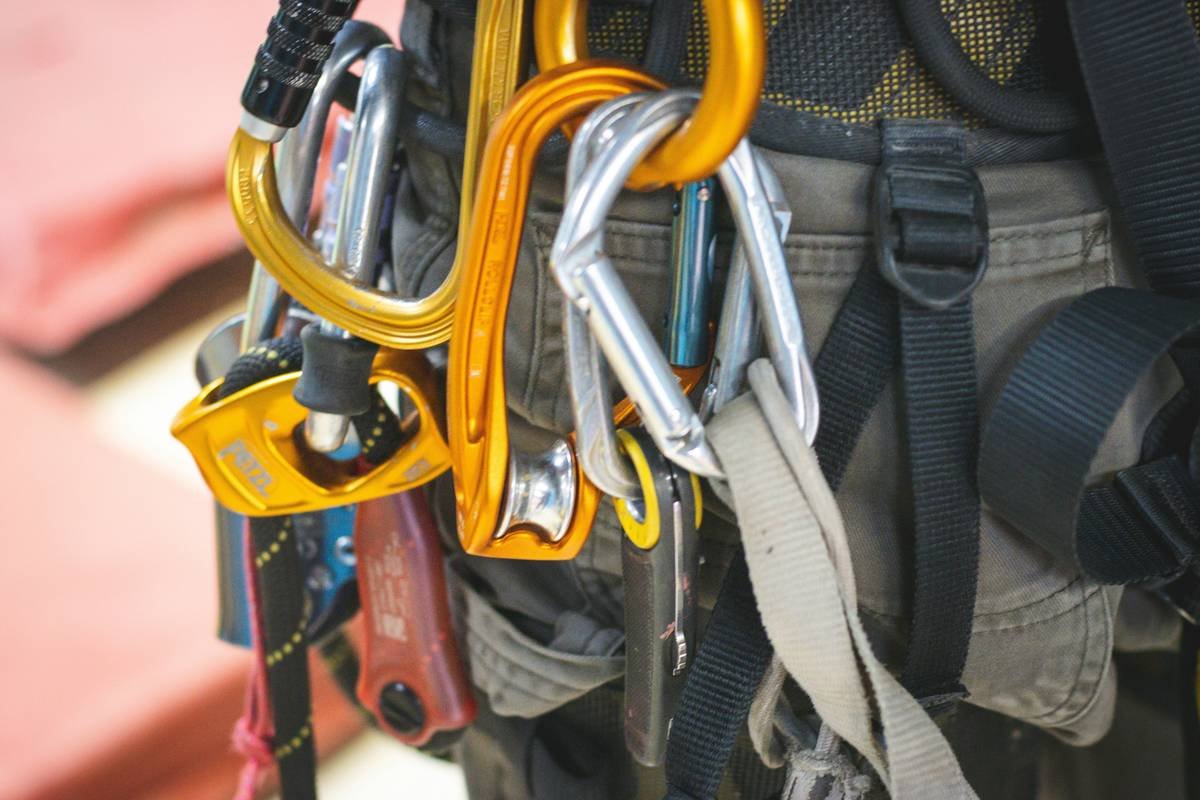
Optimist You: “Just read the manuals!”
Grumpy You: “Ugh, fine—but only if coffee’s involved AND someone explains why my cordelette screams when I weight it.”
Step-by-Step: Integrating Anchor Training Into Your Climbing Routine
How do I practice anchors without being on a cliff?
You don’t need a crag. Use eye bolts in your garage, a sturdy tree limb, or even a pull-up bar. Focus on three foundational systems:
- Equalized & Opposed Bolts (Sport): Practice with two fixed points. Use a sliding X with limiter knots or a quad. Time yourself building it blindfolded—because panic makes fingers clumsy.
- Trad Gear Anchors (Cam + Nut Combos): Build anchors using 3–4 pieces on vertical surfaces. Test extension by removing one piece mid-system. Yes, drop a nut on purpose—see how much shock load transfers.
- Cordelette Mastery: Tie it in different lengths. Load it asymmetrically. Learn how angles above 60° exponentially increase force (remember: 120° = 100% load on each strand).
When should I drill this?
Add 15 minutes post-session:
— Mondays: Bolt anchors
— Wednesdays: Trad anchors
— Saturdays: Mock rescue scenarios (e.g., escaping the belay from an anchor)
Track progress in your training journal alongside grip strength metrics.
What gear do I actually need?
Minimalist kit:
— 1 cordelette (6mm x 5m nylon)
— 2 locking carabiners (steel for home practice—aluminum wears fast)
— 1 set of nuts + cams (borrow if needed)
Skip expensive kits. Real learning happens through repetition, not shiny hardware.
Best Practices for Anchor-Literate Climbers
What should my “training for climbing book” emphasize more?
- SERENE Principle Over Mnemonics: Solid, Equalized, Redundant, Efficient, No Extension, Angles < 60°. Not just “good enough.”
- Load Testing Mentality: Always ask: “If this piece fails, does the system hold?” Simulate failures during practice.
- Context Matters: A bomber anchor on granite ≠ on sandstone. Train on varied rock types when possible.
- Teach to Learn: Explain anchor builds to a partner—even a dog. If you can’t verbalize it, you don’t own it.
Terrible Tip Disclaimer: “Just clip two bolts and call it good.” Nope. Unequalized anchors can double force on a single bolt. Seen it crack one. Don’t be that person.
Rant Section: Why do some “gurus” treat anchors like a checkbox? Newsflash: no amount of campus board reps saves you from a zippered placement. Respect the system—or become a statistic.
Case Study: When Anchor Knowledge Saved the Send
Last summer on El Cap’s Muir Wall, my partner led Pitch 12—a runout slab ending at two suspect bolts. Our “training for climbing book” hadn’t prepared us for corroded hangers, but our anchor drills did. We backed up the system with a cam in a shallow crack and redirected the belay through a third point. Two hours later, one bolt did shear during cleanup. Because our anchor was redundant and non-extendable, the fall factor stayed near zero. No injury. Route completed.
This wasn’t luck. It was deliberate practice integrated alongside our physical prep. We treated anchor competence like finger strength—measurable, trainable, non-negotiable.
FAQs About Training for Climbing Books and Anchors
Do I really need anchor training if I only boulder or gym climb?
If you ever plan to touch outdoor sport routes, yes. Gyms use pre-rigged auto-belays; nature doesn’t. Even one outdoor lead requires secure anchoring for lowering and rappelling.
Which “training for climbing book” covers anchors best?
John Long’s Climbing Anchors (now updated by Bob Gaines) remains the gold standard. Pair it with Hörst’s physical training guide for full-spectrum prep.
Can I trust online anchor tutorials over books?
Books undergo technical review; TikTok clips don’t. Use videos for visual demos, but verify techniques against authoritative texts like the AMGA Single Pitch Manual.
How often should I refresh anchor skills?
Every 6 weeks if active outdoors. Muscle memory fades faster than forearm pump.
Conclusion
Your “training for climbing book” shouldn’t just sculpt your body—it should fortify your judgment. Anchor literacy is as vital as grip strength, endurance, or beta reading. Integrate deliberate anchor drills into your weekly routine. Treat gear systems with the same rigor as your hangboard protocol. Because on rock, confidence without competence is just gravity waiting to collect its due.
Now go build something bomber.
Like a 2000s iPod shuffle on a multi-pitch: sometimes you get “Safety Dance,” sometimes you get silence. Always check your knots.