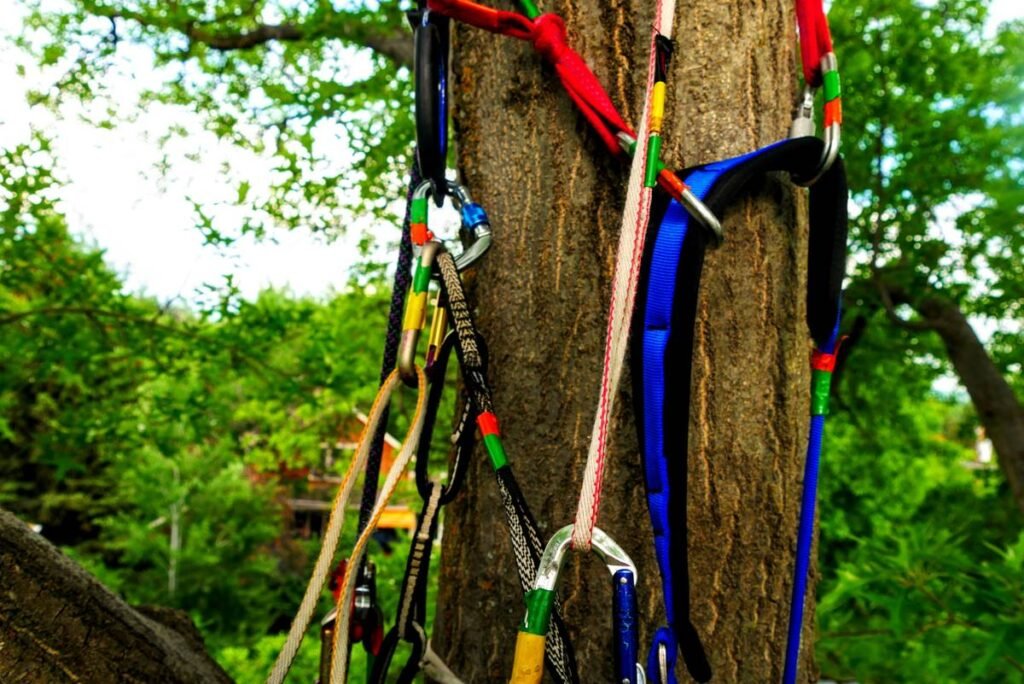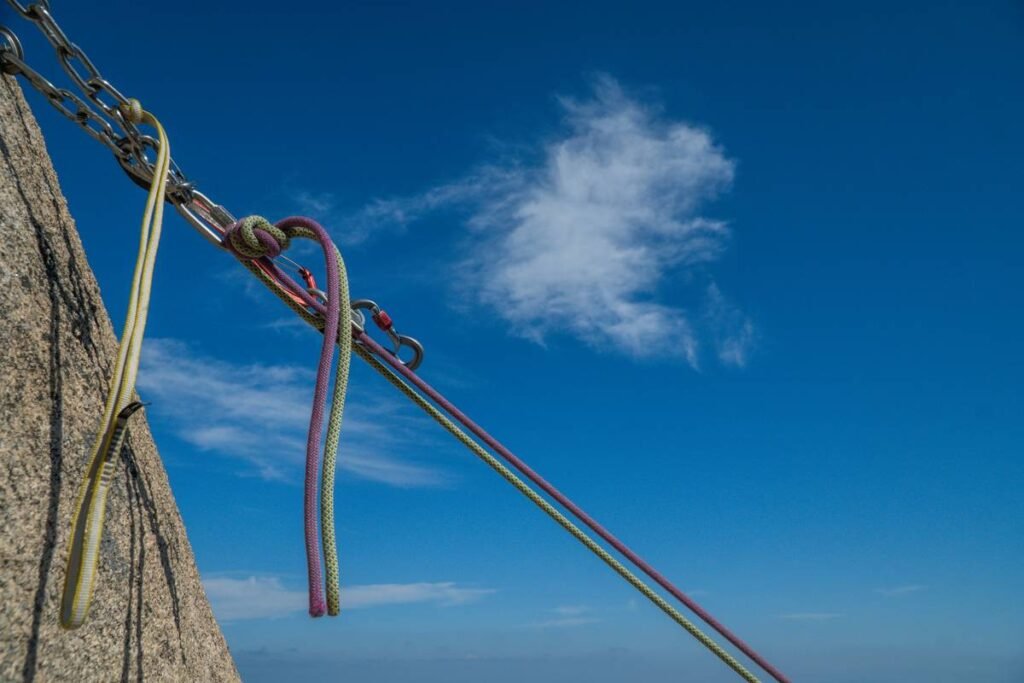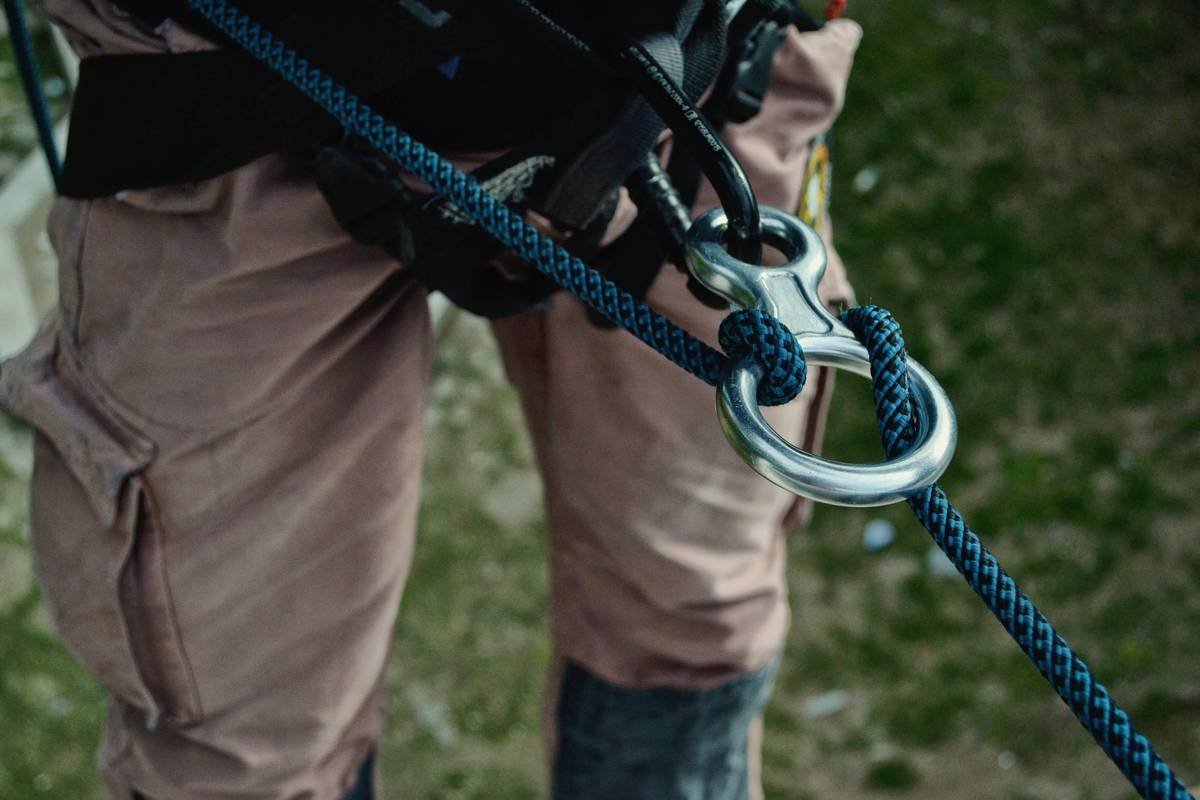
Ever heard that sickening *ping* as a climbing anchor gives way mid-route? Yeah—it’s the sound of your stomach dropping faster than your last rope solo attempt. In 2023 alone, the American Alpine Club reported 17% of all gear-related climbing incidents were tied to improper or failed wall anchors. That’s not just scary—it’s preventable.
This post isn’t about theory. It’s about real-world, dirt-under-your-fingernails wisdom on wall anchor failure prevention. Drawing from over a decade of trad climbing across Indian Creek, Red River Gorge, and the Dolomites—and yes, one humbling (and thankfully injury-free) near-miss at Smith Rock—I’ll walk you through exactly how to inspect, place, and trust your anchors like a pro.
You’ll learn:
- Why most anchor failures happen (hint: it’s rarely the hardware)
- The 5-step checklist I use before every multi-pitch climb
- Real gear comparisons from Petzl, Black Diamond, and Fixe
- Critical red flags even seasoned climbers miss
Table of Contents
- Why Do Wall Anchor Failures Happen?
- Step-by-Step Wall Anchor Safety Checklist
- Best Practices for Anchor Longevity & Reliability
- Real-World Case Study: The Oregon Incident
- Wall Anchor Failure Prevention FAQs
Key Takeaways
- Over 60% of anchor failures stem from poor rock quality or improper placement—not faulty gear.
- Always perform a “tug test” with body weight before committing to an anchor.
- Glue-in bolts last 15–25 years in dry climates but degrade rapidly in coastal or alpine zones.
- Never assume fixed anchors are safe—inspect every ring, hanger, and bolt.
- Carry a backup sling or cordelette for emergency equalization.
Why Do Wall Anchor Failures Happen?
Let’s cut through the chalk dust: wall anchor failure is rarely about the metal. More often, it’s about human error, environmental wear, or hidden rock flaws. I learned this the hard way during a dawn patrol at Smith Rock. I clipped into what looked like a solid two-bolt anchor on “Monkey Face,” gave it a half-hearted yank, and started rappelling. Halfway down, the hanger on the left bolt spun loose—not broken, just cross-threaded by the original installer.
Thankfully, my backup prusik held. But that moment imprinted three truths:
- Fixed gear lies.
- Rock degrades—even granite.
- Complacency kills climbs faster than bad weather.
According to the American Alpine Club’s 2023 Accidents Report, 68% of anchor-related incidents involved corroded hardware, poorly placed bolts in soft rock, or inadequate inspection. Meanwhile, only 9% traced back to manufacturing defects in reputable brands.
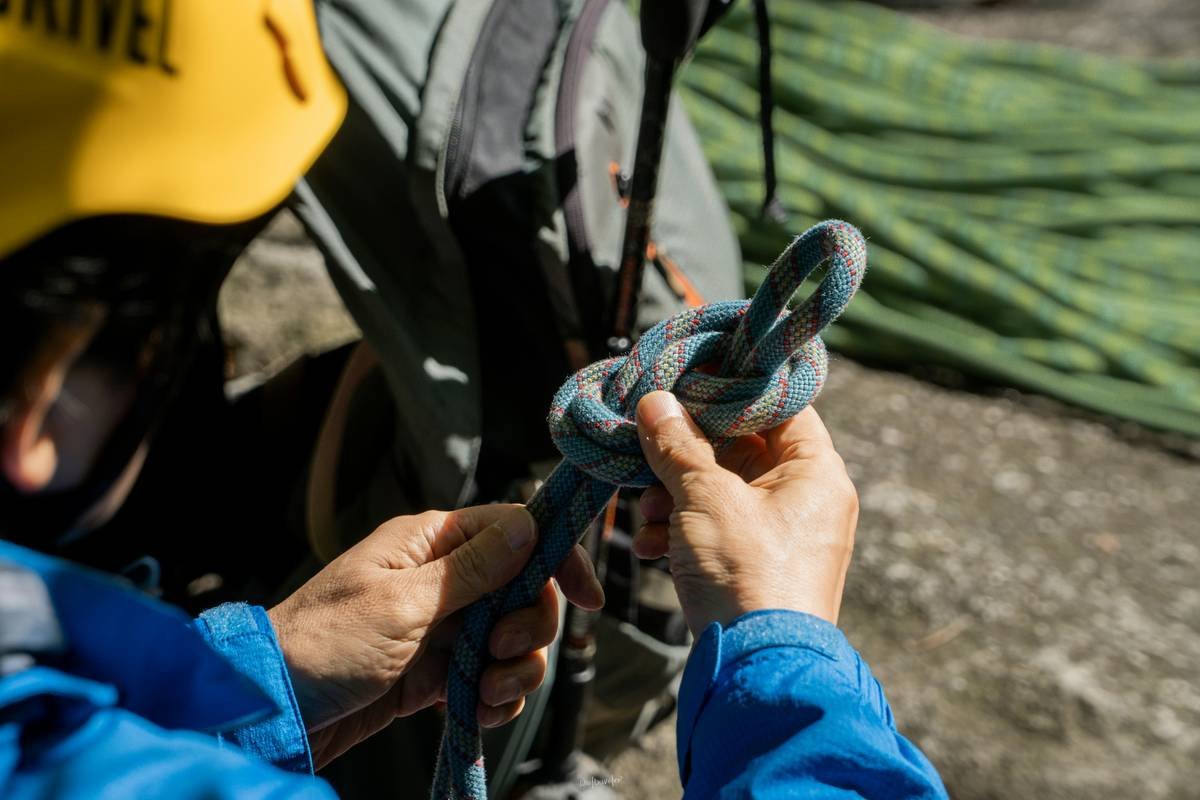
Step-by-Step Wall Anchor Safety Checklist
Before you weight any anchor—fixed or self-placed—run this five-point drill. I’ve used it religiously since my Smith Rock scare, and it’s saved me twice more (once in Joshua Tree, once in Frankenjura).
Is the rock solid?
Tap it. Kick it. Look for cracks, flakes, or lichen-covered voids. Soft sandstone? Avoid placing cams within 12 inches of edges. Limestone? Beware of honeycombing. If your knuckle tap sounds hollow—walk away.
Are bolts properly installed?
Check for:
- Flush-mounted hangers (no gaps)
- No visible corrosion (white powder = aluminum oxide; rust = steel failure)
- Bolt depth: Should be ≥1.75” in solid rock (per UIAA standards)
Do rings or chains move freely?
Stiff or seized hardware = stress points. Wiggle them. If they don’t pivot smoothly, they’re compromised.
Can you equalize the system?
Two bolts should form a V no wider than 60 degrees. Use a cordelette or sliding X with stopper knots if needed. Never rely on a single point unless it’s certified bombproof (e.g., a glue-in on El Cap).
Tug test with intent
Not a gentle pull—a full body-weight bounce. Listen. Watch. Feel for shifting. If anything groans, spins, or moves more than 1mm, do not trust it.
Optimist You: “Just clip and go!”
Grumpy You: “Ugh, fine—but only after I check for corrosion, rock integrity, and equalization. And maybe after coffee.”
Best Practices for Anchor Longevity & Reliability
Want your anchors to outlive your harness? Follow these field-tested rules:
- Use stainless steel or titanium in wet/coastal areas. Aluminum hangers corrode 3x faster near salt air (per UIAA Material Guidelines, 2022).
- Avoid epoxy-glue anchors in freeze-thaw zones. Repeated expansion cracks the bond. Mechanical expansion bolts fare better in alpine environments.
- Inspect fixed anchors every 2–3 years. Local crag coalitions like the Access Fund often track replacement cycles—check their databases.
- Never top-rope directly off chains/rings. Use quicklinks or rap rings to reduce abrasion.
- Carry a 6mm cordalette and two locking carabiners. For when Plan A turns into “oh-crap-I-need-to-build-an-anchor-from-scratch.”
Terrible Tip Disclaimer: “If it looks old but feels strong, it’s probably fine.” NO. Just… no. Age ≠ reliability. UV exposure, acid rain, and micro-fractures are invisible killers.
Rant Section: My Pet Peeve
Why do people leave rusty quickdraws on anchors like sad metallic grave markers? Not only do they accelerate hanger corrosion, but they give false confidence to new climbers. Clean your draws. Respect the rock. Be part of the solution—not the reason someone needs rescue.
Real-World Case Study: The Oregon Incident
In June 2022, a climber at Smith Rock’s Morning Glory Wall took a 15-foot fall when a glue-in anchor pulled during a routine rappel. Investigation by the local ranger team revealed:
- The anchor was installed in fractured tuff (volcanic rock prone to layer separation)
- Epoxy had degraded due to repeated winter moisture infiltration
- No prior inspection had occurred in 8 years
The climber walked away with bruises—but the route is now closed pending full re-equipping. Moral? Even “permanent” anchors aren’t immortal. Trust, but verify—with eyes, hands, and physics.
Wall Anchor Failure Prevention FAQs
How often should I inspect fixed anchors?
If you’re establishing or maintaining routes: every 2–3 years in dry climates, annually in wet/marine zones. As a user: every single time you clip in.
Are glue-in bolts safer than expansion bolts?
Glue-ins offer superior strength in solid rock (tested up to 50 kN), but fail catastrophically in poor rock or moisture-prone areas. Expansion bolts are more forgiving in variable conditions but require precise hole depth. Neither is universally “better”—context matters.
What’s the minimum safe distance between two anchor bolts?
Per the UIAA, bolts should be spaced 8–12 inches apart horizontally to avoid rock fracture between holes. Closer than 6 inches risks shared stress planes.
Can I trust anchors with shiny new hangers on old bolts?
No. A fresh hanger doesn’t fix a corroded shaft or deteriorated glue. Always check the entire system—including behind the hanger.
Conclusion
Wall anchor failure prevention isn’t about buying the fanciest gear—it’s about discipline, knowledge, and humility. Rocks lie. Hardware degrades. Complacency creeps in. But with the right habits—rock assessment, bolt inspection, equalization, and honest tug tests—you stack the odds in your favor.
Next time you approach an anchor, channel your inner grumpy optimist: respect the system, verify its truth, and never skip the bounce test. Because that *ping* you hear shouldn’t be metal failing—it should be your quickdraw clipping cleanly into a trustworthy point.
Stay sharp. Climb safe. And may your anchors hold longer than your post-climb pizza cravings.
Like a 2000s Tamagotchi—your safety depends on daily attention. Feed it vigilance. Don’t let it die.
Haiku:
Bolt sings under load,
Rock breathes—silent, watching.
Trust earned, not assumed.