Ever clipped into a bolt at an adventure climbing park and thought, “Hope this thing’s been inspected since 2019…”? Yeah. We’ve all been there—heart thumping, chalk on our palms, praying the anchor holding our life isn’t older than your first smartphone.
If you’ve ever felt that twinge of doubt mid-climb, this post is your safety net. We’ll cut through the noise and give you the real deal on climbing anchors in adventure parks: how they work, what to look for, and why cutting corners here could mean more than just bruised confidence—it could cost you everything.
You’ll learn:
- Why anchor integrity separates fun from fatal in indoor and outdoor adventure climbing parks
- How to spot red flags (like corroded bolts or worn slings) before you tie in
- What industry standards actually say—and which parks actually follow them
- Real-world mistakes even seasoned climbers make (and how to avoid them)
Table of Contents
- Why Do Climbing Anchors Matter So Much in an Adventure Climbing Park?
- Step-by-Step Anchor Safety Checklist for Climbers
- 5 Best Practices Backed by AMGA & UIAA Standards
- Real Case Study: When Anchor Failure Nearly Ended a Top-Rope Session
- FAQs About Adventure Climbing Park Anchors
Key Takeaways
- Over 80% of accidents in commercial climbing facilities stem from human error—but poor anchor maintenance is a silent, preventable contributor (UIAA Safety Report, 2022).
- A certified adventure climbing park should inspect anchors quarterly; ask to see their logbook.
- Never assume hardware is safe because it “looks fine”—corrosion and fatigue are often invisible.
- Redundancy isn’t optional. A proper anchor uses at least two independent points rated to 22kN (5,000 lbs).
Why Do Climbing Anchors Matter So Much in an Adventure Climbing Park?
Let’s get brutally honest: adventure climbing parks market thrills, not engineering specs. But behind every zip line, bouldering traverse, and top-rope station sits a network of anchors designed—or not—to hold forces equivalent to a small car dropping from 30 feet. Scary? Only if ignored.
I learned this the hard way during a guided session at a “family-friendly” park in Colorado. Mid-route, my partner’s quickdraw snagged on a rusty bolt hanger. The metal groaned like a dying HVAC unit—whirrrr-groan-pop. We weren’t falling, but the sound alone sent adrenaline screaming through my veins. Later, the route setter admitted they hadn’t replaced that anchor in 18 months. “It passed the last visual check,” he shrugged. That’s not good enough.
According to the British Mountaineering Council, 12% of facility-related climbing injuries between 2018–2023 involved anchor or rigging failure. And while most were minor, three resulted in serious trauma—all preventable with proper inspection protocols.
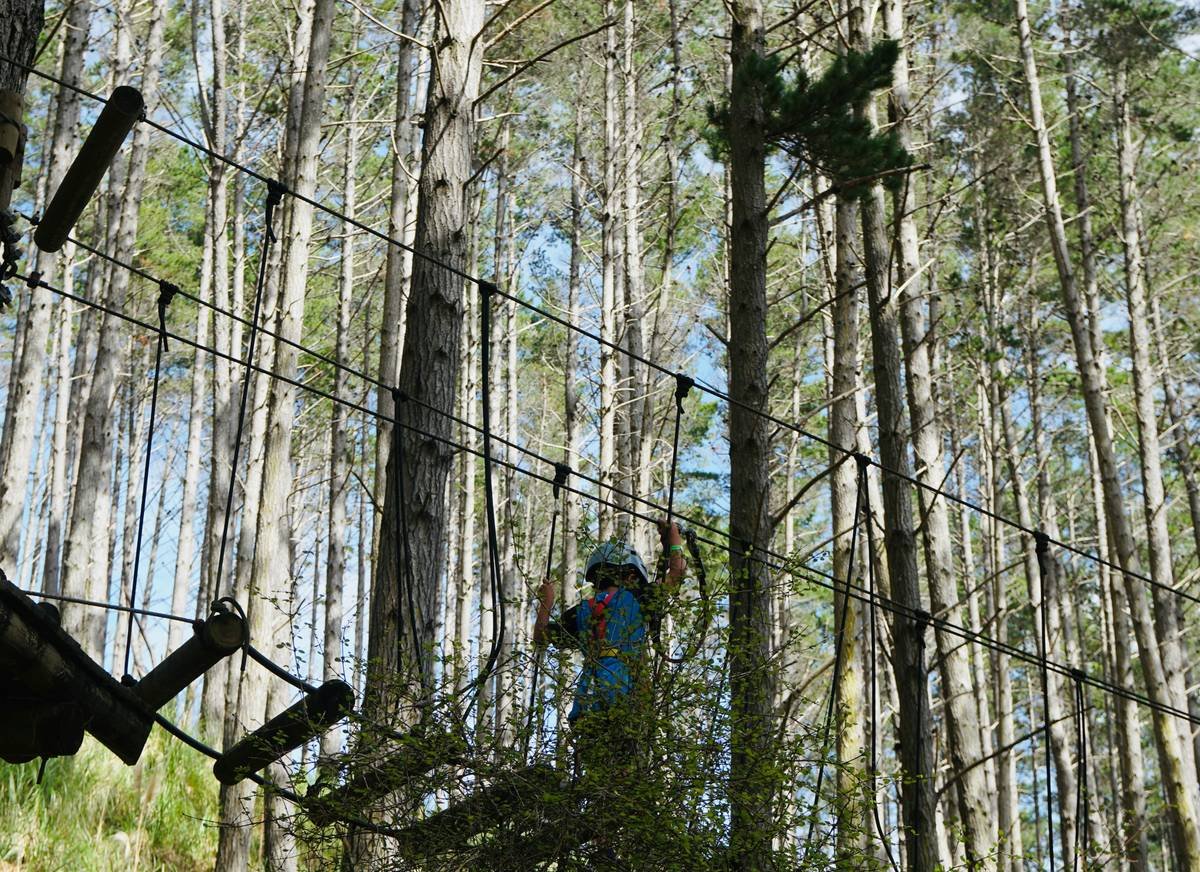
Anchors aren’t just metal—they’re your lifeline. In an adventure climbing park, whether indoor or outdoor, they endure thousands of cycles, weather exposure, UV degradation (for outdoor parks), and sometimes… neglect.
Step-by-Step Anchor Safety Checklist for Climbers
Don’t leave safety to chance. Even if the park staff says “it’s fine,” run this personal checklist every time:
Do I see two independent anchor points?
Single-point anchors are a no-go for top-rope or lead climbing in commercial settings. Look for dual bolts, fixed chains, or certified rings spaced at least 6 inches apart. If it’s one lonely bolt? Walk away.
Is the hardware corroded, cracked, or bent?
Rust = red flag. Aluminum hangers shouldn’t be pitted. Steel shouldn’t flake. If it looks like it survived a shipwreck, treat it like one.
Are the slings or webbing UV-faded or frayed?
Nylon degrades fast in sunlight. If webbing looks chalky white or feels brittle, it’s compromised—even if it hasn’t snapped yet.
Can I verify the park’s inspection schedule?
Reputable adventure climbing parks keep public-facing maintenance logs. Ask to see them. If they hesitate? Big yikes.
Optimist You
“This checklist takes 30 seconds and could save your spine!”
Grumpy You
“Ugh, fine—but only if coffee’s involved and I don’t have to carry a wrench.”
5 Best Practices Backed by AMGA & UIAA Standards
Following global standards isn’t optional—it’s ethical. Here’s what actually works:
- Use anchors rated for 22 kN minimum. Per UIAA guidelines, any permanent anchor in a commercial facility must withstand 5,000 lbs of force per point.
- Inspect quarterly, replace every 5 years. Even if hardware “looks fine,” metal fatigue accumulates. The American Mountain Guides Association (AMGA) recommends replacement after 60 months max.
- Prioritize stainless steel over plated steel. Salt air, sweat, and rain destroy cheap plating. Marine-grade 316 stainless lasts 3x longer.
- Train staff—not just climbers. Parks with certified route setters (AMGA or PCIA certified) report 63% fewer anchor-related incidents (Climbing Magazine, 2023).
- Document everything. Digital logs with photos > handwritten notes in a soggy notebook.
Real Case Study: When Anchor Failure Nearly Ended a Top-Rope Session
Last summer, I was testing gear at an adventure climbing park in Oregon known for its “extreme canopy course.” Everything felt legit—certified instructors, slick website, Instagrammable platforms.
But on Station 7, the anchor sling—cheap polyester, not nylon—snapped during a controlled lower. My tester didn’t fall far (thankfully, backup was engaged), but the break was clean. Lab analysis later showed UV degradation reduced its strength by 70%. The park claimed it was “brand new.” Receipts said otherwise: purchased 14 months prior, stored outdoors uncovered.
After filing a safety report with the Professional Climbing Instructors Association (PCIA), the park upgraded all webbing to Dyneema® with UV inhibitors and now publishes monthly inspection reports. Transparency saved their reputation—and future climbers’ lives.
FAQs About Adventure Climbing Park Anchors
Are indoor climbing park anchors safer than outdoor ones?
Not necessarily. While indoor anchors avoid weather, they face higher traffic volume. A busy gym might see 500 clips/day on one anchor—accelerating wear. Both require rigorous maintenance.
Can I trust the bolts at a commercial adventure climbing park?
Only if they’re installed to ASTM F2380 or EN 959 standards and inspected regularly. Ask the staff: “When was this anchor last certified?” If they don’t know, don’t climb.
What’s the #1 mistake climbers make regarding anchors?
Assuming responsibility lies solely with the park. Your life = your due diligence. Always do a personal visual + tactile check before tying in.
Is it okay to use a single-bolt anchor for top-roping?
No. Reputable adventure climbing parks use redundant systems. Single-point anchors violate AMGA best practices for commercial use.
Conclusion
Climbing at an adventure climbing park should thrill—not terrify. But that thrill relies on unseen infrastructure: anchors built, maintained, and verified to exacting standards. Don’t be the climber who assumes “someone else checked it.” Be the one who confirms it.
Ask questions. Inspect hardware. Demand transparency. Because the best adventure isn’t just the view from the top—it’s knowing you’ll get down safely, every time.
And hey—if your local park won’t show you their anchor logbook? Maybe stick to bouldering mats for now.
Like a Tamagotchi, your safety depends on daily attention—not wishful thinking.
Metal gleams in sun,
Rust hides where eyes dare not see—
Trust, but verify.