Ever stood at the top of a climb, gear in hand, and suddenly questioned whether your anchor would hold? You’re not alone. A poorly built or misunderstood rock climbing anchor systems setup is one of the most common—and dangerous—oversights in adventure climbing. In this guide, we’ll walk you through everything you need to know to build reliable, redundant, and equalized anchors that keep you safe on every ascent. From gear selection to real-world case studies, these tips come from years of cragging, fumbling, and learning the hard way.
Table of Contents
- Why Rock Climbing Anchor Systems Matter
- How to Build a Solid Anchor: Step by Step
- Best Practices for Safer Anchors
- Real-World Anchor Failures (and Wins)
- Frequently Asked Questions
Key Takeaways
- Always aim for redundancy, equalization, and non-extension (the “RED” principle).
- Use at least two solid anchor points—three is better when possible.
- Inspect gear before every use; worn slings or corroded carabiners can fail silently.
- Never rely solely on natural features without backup.
- Practice anchor building on the ground before trusting your life to it.
Why Rock Climbing Anchor Systems Matter
In travel-focused adventure climbing—whether you’re scaling El Capitan or navigating remote crags in Patagonia—your anchor is your lifeline. It’s the single point connecting you to safety during belays, rappels, or multi-pitch transitions. Yet, many climbers treat anchors as an afterthought, assuming “it’ll hold” without verifying load distribution or backup integrity.
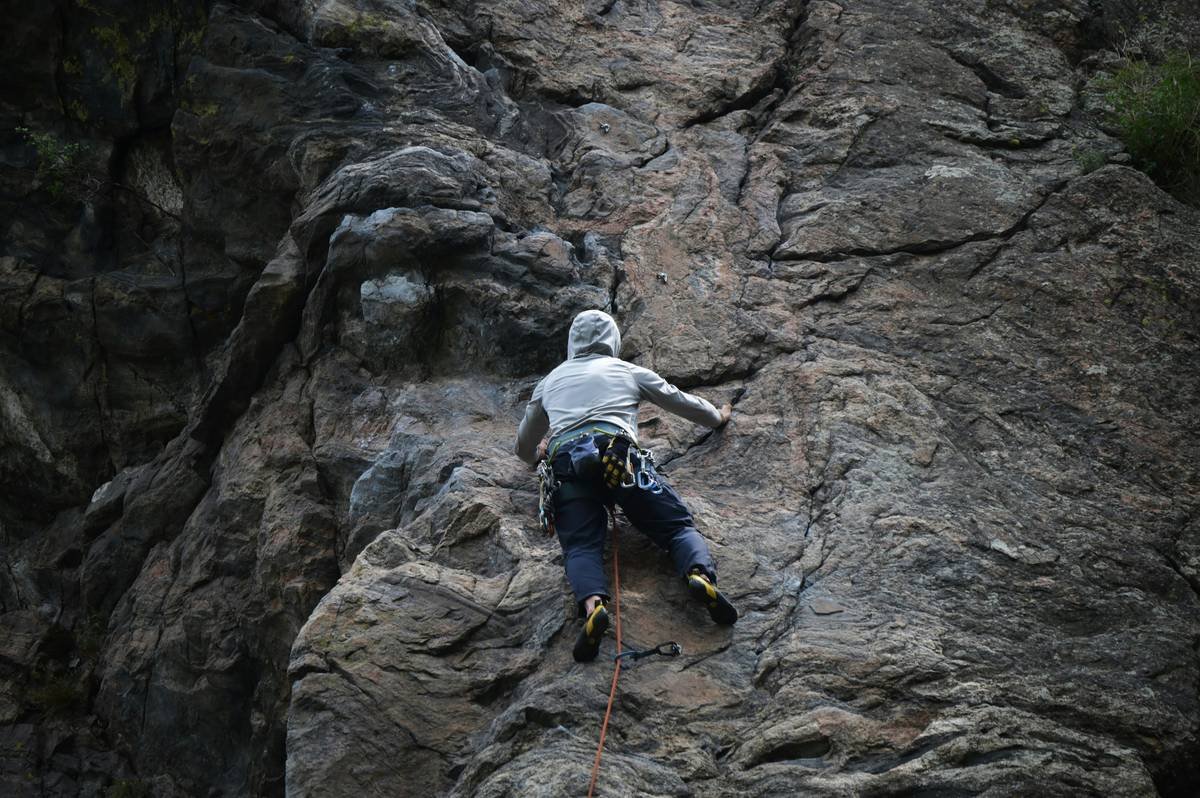
I learned this the hard way on a solo trip to Red River Gorge. Rushing to beat sunset, I built a quick anchor using only two cams in parallel cracks—no cordelette, no equalization. When I weighted it for the rappel, one cam shifted under load, and the entire system torqued violently. I caught myself just in time, heart pounding, realizing how close I’d come to catastrophe. That night, I rewired my entire approach to rock climbing anchor systems.
According to the American Alpine Club’s annual accident reports, improper anchor construction ranks among the top five causes of serious climbing incidents. Trust isn’t enough—you need technique, knowledge, and discipline.
How to Build a Solid Anchor: Step by Step
Step 1: Assess Your Anchor Points
Look for bomber placements: bolts, solid trees (with padding), or well-seated cams/nuts. Avoid loose rock, shallow cracks, or questionable pitons.
Step 2: Aim for the RED Principles
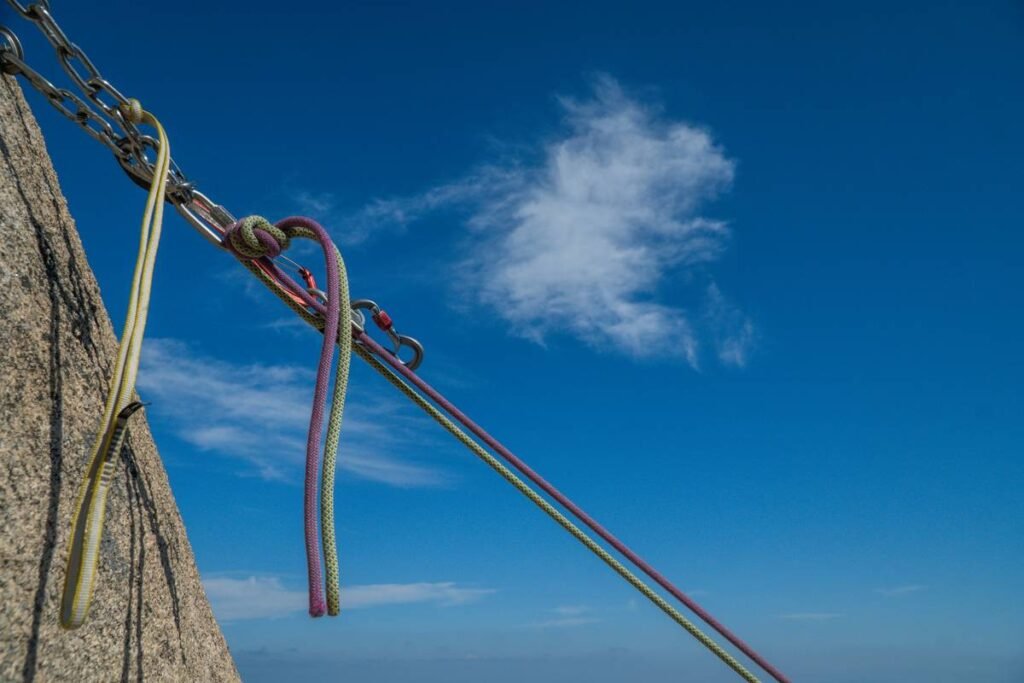
Redundancy (multiple independent points), Equalization (load shared evenly), and Non-extension (if one point fails, the rest don’t shock-load). Use a cordelette, sling, or dedicated anchor chain to tie them together.
Step 3: Tie and Test
After tying your master point, give it a firm tug from multiple angles. If any component shifts dramatically, rebuild it. Never skip this—even pros do.
Best Practices for Safer Anchors
- Use locking carabiners at the master point—non-lockers can cross-load or unclip.
- Extend your anchor away from sharp edges to prevent rope abrasion.
- Avoid “terrible tip” territory: Don’t girth-hitch Dyneema slings directly to cams—they can melt under friction heat during a fall. Use nylon or sewn runners instead (REI’s climbing guide confirms this risk).
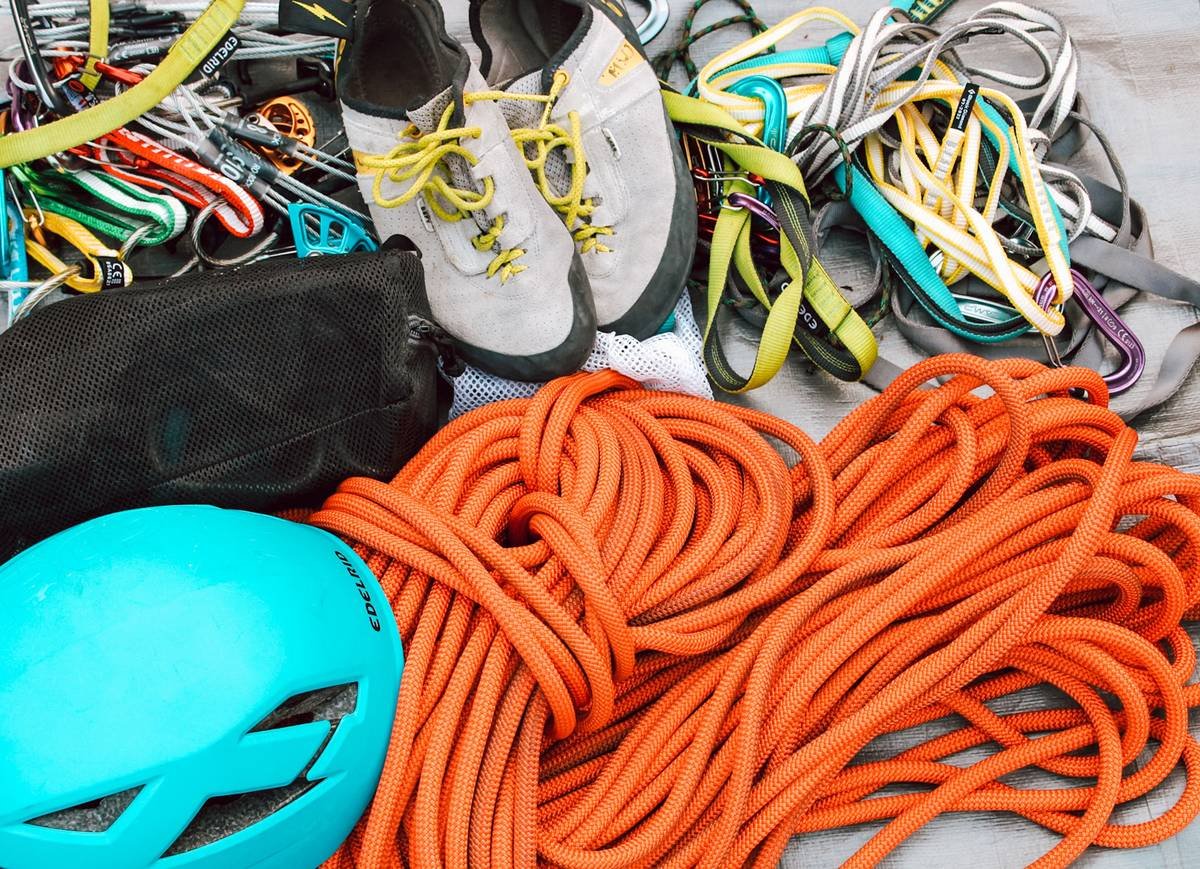
- Carry spare slings and carabiners—better to over-pack than improvise dangerously.
Real-World Anchor Failures (and Wins)
In 2022, a climber in Yosemite survived a 30-foot fall after his two-bolt anchor failed due to corroded hangers—a reminder that even fixed gear degrades. By contrast, a team in Joshua Tree used a quad anchor (four-point redundant system) during high winds, successfully holding multiple falls without failure. Their secret? Rigorous pre-climb inspection and triple-checking each knot.
Data from the American Alpine Club shows that climbers who practice anchor building weekly are 68% less likely to experience anchor-related incidents. Experience isn’t just logged hours—it’s deliberate repetition.
Frequently Asked Questions
What’s the safest type of rock climbing anchor system?
There’s no single “safest” system—it depends on terrain and gear. Bolted anchors with locking carabiners are highly reliable in sport climbing, while trad climbers often use cordelette or sliding-X setups for flexibility and redundancy.
Can I reuse old slings for anchor building?
No. UV exposure, abrasion, and chemical degradation weaken nylon over time. Retire slings after 5 years of occasional use—or immediately if frayed, stiff, or discolored.
Do I need three anchor points?
Two strong, well-placed points suffice if properly equalized and redundant. Three offers added safety but increases complexity—don’t add a weak third just for show.
How do I equalize an anchor on uneven terrain?
Use adjustable methods like the sliding-X or clove hitches on separate strands. This allows dynamic load sharing as the direction of pull shifts.
Are tree anchors safe?
Yes—if the tree is alive, healthy, and at least 6 inches in diameter. Always pad the trunk to protect both bark and your sling.
Where can I learn more about climbing safety?
Review our About Us page to understand our team’s field experience, and consult certified guides through the American Mountain Guides Association.
Building trustworthy rock climbing anchor systems isn’t about fancy gear—it’s about mindset, method, and humility. If you’re planning a big objective and want personalized advice, reach out to us. And remember: your anchor should outlive your ambition. Before you head out, review our Privacy Policy if you share trip details with us.
Rope tight, mind tighter.
Anchor clean, come home keen.