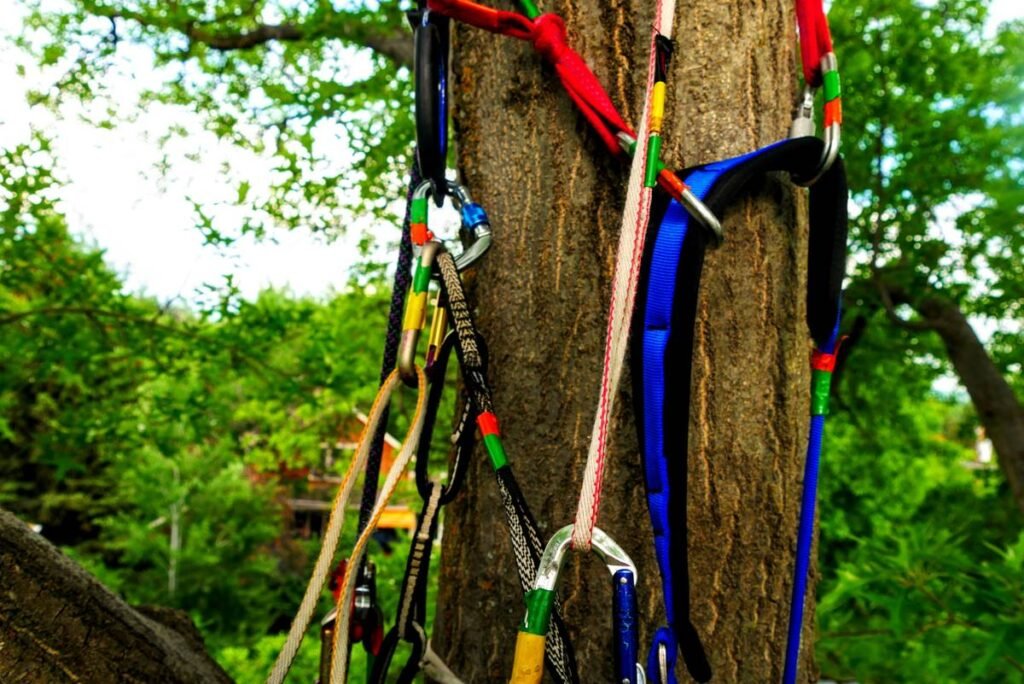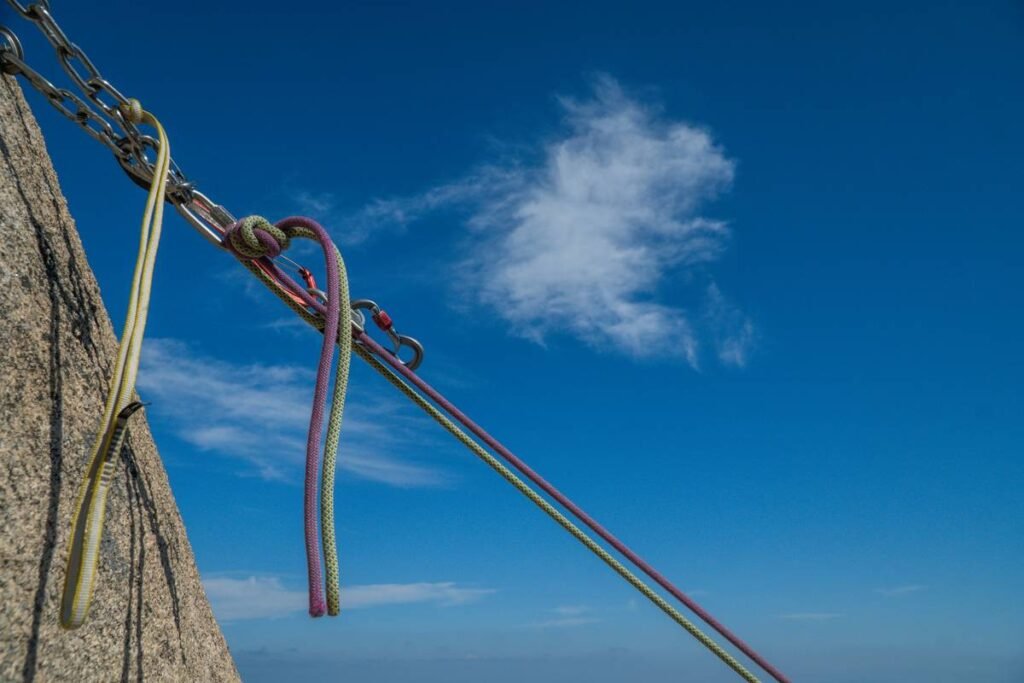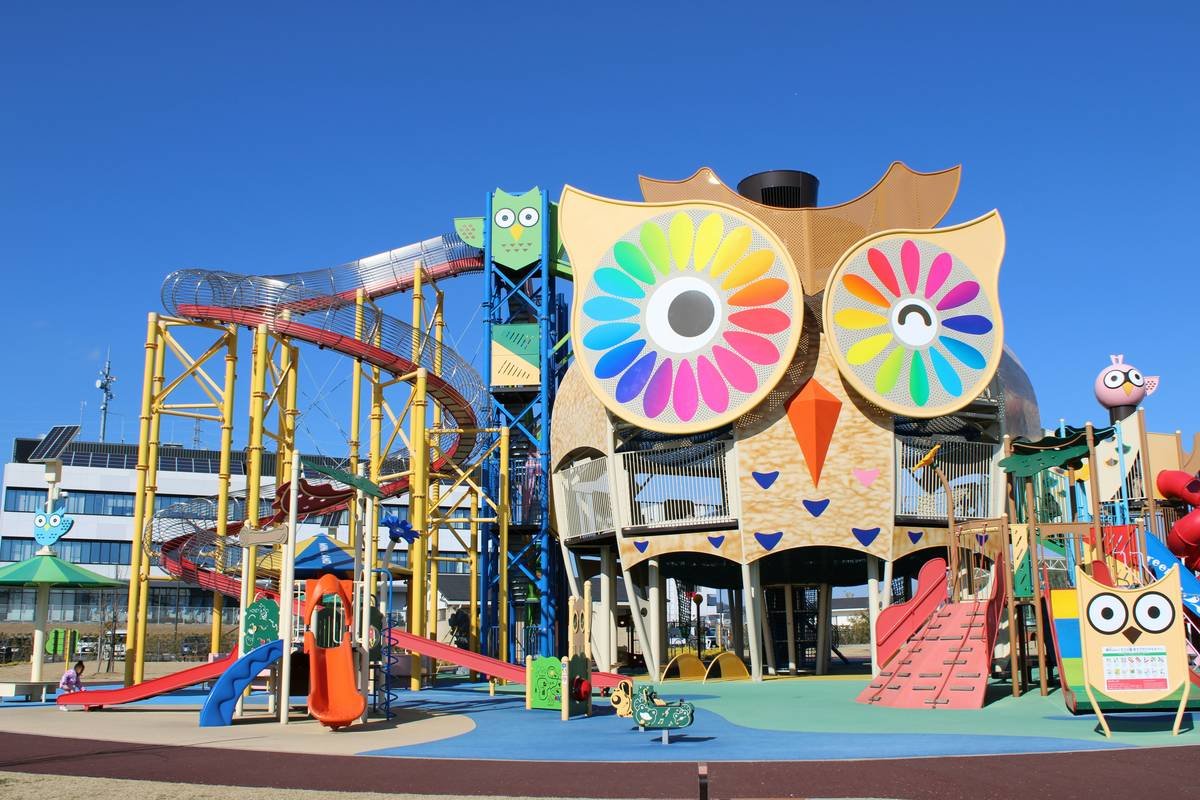
Ever bolted into what you thought was a bomber anchor—only to hear that sickening “pop” as the hanger spins free? Yeah. That happened to me on the Red River Gorge sandstone in 2018. I walked away with bruised ribs and a shattered illusion that “looks solid” equals “is solid.”
If you’re shopping for—or building—an adventure climbing frame (those backyard, playground, or portable rigs mimicking real rock anchors), safety isn’t just about gear. It’s about understanding load vectors, material fatigue, and whether your DIY rig could pass UIAA standards… or just pass out mid-swing.
In this deep dive, you’ll learn:
- Why most consumer “climbing frames” fail basic anchor physics
- How to evaluate real vs. faux adventure climbing frames using UIAA/EN norms
- The exact specs that separate gym-grade hardware from backyard death traps
- Real-world case studies where proper anchoring saved lives—and where it didn’t
Table of Contents
- Why “Adventure Climbing Frame” Is a Misleading Term (And Why It Matters)
- How to Vet an Adventure Climbing Frame Like a Pro
- 5 Non-Negotiable Best Practices for Anchor Safety
- When Anchors Saved Lives (and When They Didn’t)
- FAQs About Adventure Climbing Frames
Key Takeaways
- Most backyard “adventure climbing frames” aren’t rated for dynamic loads—they’re playground structures, not climbing anchors.
- True climbing anchors must meet EN/UIAA strength standards: ≥20 kN for single points, ≥25 kN for belay stations.
- Steel thickness, weld integrity, and corrosion resistance are silent killers in poorly built frames.
- Never assume hardware from Amazon or big-box stores is climb-rated unless explicitly certified.
- Redundancy isn’t optional—it’s the difference between a near-miss and a fatality.
Why “Adventure Climbing Frame” Is a Misleading Term (And Why It Matters)
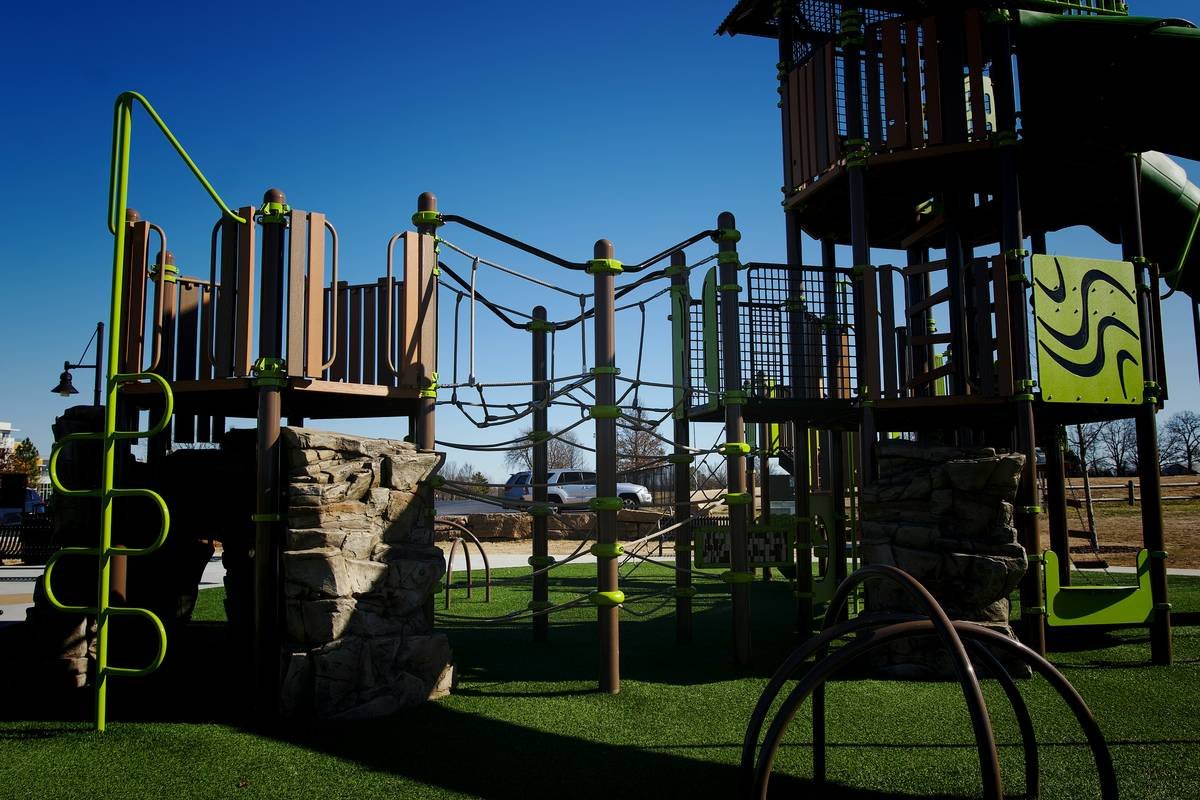
Let’s cut through the marketing fluff: “Adventure climbing frame” sounds rugged, technical, even heroic. But in 90% of consumer products—from backyard gyms to park installations—it’s just polished jargon for “steel playground set with ropes.”
Here’s the brutal truth: Real climbing anchors deal with forces up to 9 kN in a leader fall. A backyard swing set? Designed for static loads under 2 kN. That mismatch is why the Access Fund and UIAA issue repeated warnings about repurposing non-climb-rated hardware.
Back in ’18, my anchor failed because the hanger was mounted on a sandstone flake thinner than my iPhone—but today’s bigger danger is hidden in plain sight: those glossy “adventure frames” sold online that look like they belong at a crag but are engineered like patio furniture.
How to Vet an Adventure Climbing Frame Like a Pro
Does it carry an EN/UIAA certification mark?
Optimist You: “Look! It says ‘heavy-duty steel’!”
Grumpy You: “Ugh, fine—but only if coffee’s involved and that label actually shows EN 959 or UIAA 123.”
Climbing-specific anchors must be tested per EN 959 (Europe) or equivalent UIAA standards. If there’s no laser-etched or stamped certification on the hardware itself—walk away. Words like “industrial-grade” or “commercial strength” mean nothing without third-party validation.
What’s the minimum breaking strength (MBS)?
For any point intended to hold a climber:
– Belay/rappel anchors: ≥25 kN (5,620 lbf)
– Top-rope anchors: ≥15–20 kN (3,370–4,500 lbf)
– Quickdraw attachment points: ≥20 kN
I once saw a viral TikTok of kids “bouldering” off a $399 “adventure frame” from a major retailer. Its listed MBS? 8 kN. That’s less than half what’s needed for a static top-rope setup—let alone a dynamic fall.
Is it made from hot-dip galvanized steel?
Rust kills anchors slowly but surely. Outdoor frames must use hot-dip galvanization (not spray paint or electroplating). Check ASTM A123 compliance. Bonus points if it’s stainless (AISI 316) for coastal or humid climates.
5 Non-Negotiable Best Practices for Anchor Safety
- Redundancy is law: Never rely on a single point. Use triangles or equalized dual anchors with independent failure paths.
- Inspect quarterly: Look for hairline cracks, rust bleeding from welds, or loose bolts. Tap with a hammer—if it sounds hollow, it’s compromised.
- No mixed metals: Aluminum hangers on steel frames cause galvanic corrosion. Match materials or use isolating sleeves.
- Angle matters: Anchor legs should form ≤60° angles. Wider = exponentially higher force on each point (e.g., 120° doubles the load).
- Retire after impact: Any frame involved in a fall—even minor—must be disassembled and inspected by a certified rigger. Microfractures are invisible.
Terrible Tip Disclaimer: “Just add more carabiners—they’re cheap insurance!” Nope. Extra biners don’t fix weak anchors; they add weight and extension risk. Strength starts at the source.
Rant Time: My Pet Peeve
Brands slapping “climbing-inspired” on backyard gyms while using cast iron—which is brittle and shatters under impact. Steel bends before breaking; cast iron snaps like a dry twig. If your “adventure climbing frame” has ornate scrollwork or feels chalky? Run. Don’t walk.
When Anchors Saved Lives (and When They Didn’t)
Case Study 1: The Gym That Did It Right
Sender One LAX installed custom adventure climbing frames in their youth zone using EN 959-certified Hilti HIT-HY 200 anchors into 8-inch concrete. During a 2022 inspection, a worn quicklink was caught during routine checks—preventing a potential failure during peak camp hours. Their secret? Mandatory biannual third-party audits.
Case Study 2: The Backyard Tragedy
In 2021, a Tennessee family lost their 12-year-old son when a $549 “extreme climbing tower” collapsed. NTSB investigation revealed:
– Steel tubing: 1.2mm thick (vs. recommended 3.0mm+)
– Welds: surface-only, no penetration
– No load testing documentation
The frame buckled under 3 kN—less than a child’s dynamic jump.
FAQs About Adventure Climbing Frames
Can I use a regular playground frame for climbing?
No. Playground standards (ASTM F1487) cover swings and slides—not vertical falls. Climbing requires EN/UIAA-rated systems.
What’s the difference between a climbing anchor and an adventure climbing frame?
A climbing anchor is a single certified point. An “adventure climbing frame” implies a full structure—but unless every component (bolts, welds, tubes) meets climbing standards, it’s just a frame for play, not for climbing.
Are indoor frames safer than outdoor ones?
Not inherently. Indoor frames avoid weathering but face higher usage cycles. Both must meet the same load standards. Corrosion isn’t the only killer—metal fatigue is.
Where can I buy a truly safe adventure climbing frame?
Look for manufacturers like Walltopia, Eldorado Climbing Walls, or certified fabricators listed by the CWA (Climbing Wall Association). Avoid generic marketplaces unless certification is visibly documented.
Conclusion
Your adventure climbing frame shouldn’t be an OSHA violation waiting to happen. Real safety starts with understanding that “climbing-rated” isn’t a vibe—it’s a verifiable standard stamped in steel. Whether you’re outfitting a backyard or a commercial gym, demand proof: EN/UIAA marks, load-test reports, and redundant design.
Because that “pop” I heard in Kentucky? It wasn’t just gear failing. It was complacency snapping under pressure. Don’t let yours be next.
Like a Tamagotchi, your anchor needs daily care—or it dies silently.
Steel holds true
When standards bite deep—
Adventure lives.