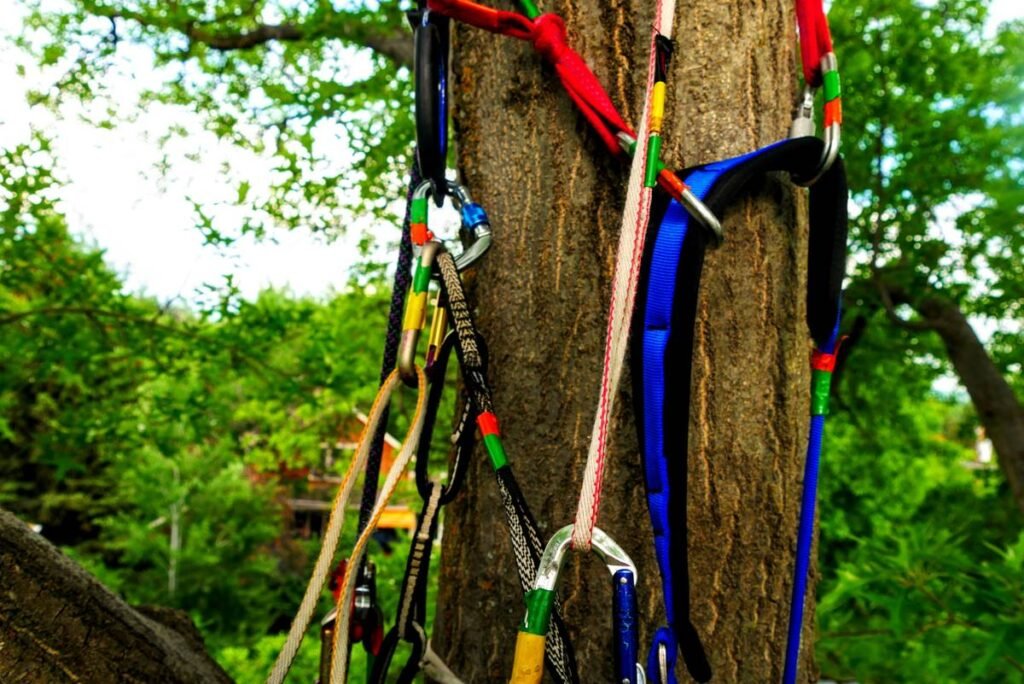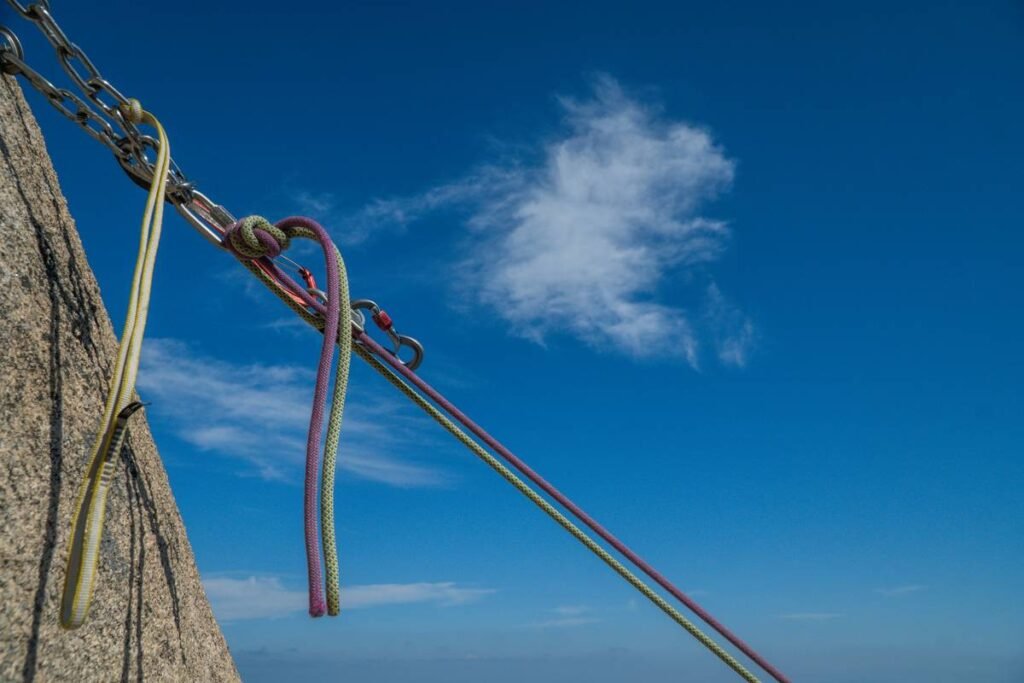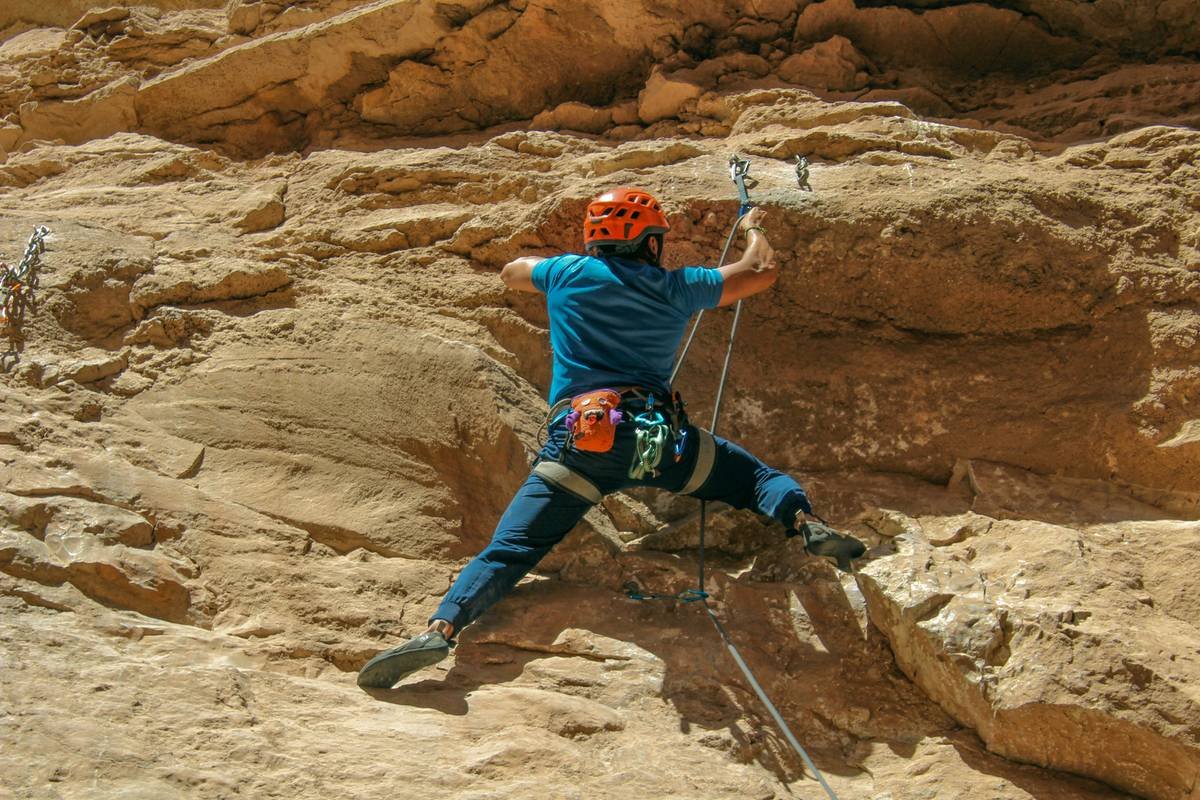
Ever bolted into what you thought was solid rock—only to hear that stomach-dropping *crack* as your anchor shifts mid-route? Yeah. I’ve been there. On a remote sandstone face in Moab, my homemade “adventure climbing wall” setup wobbled like Jell-O in July because I skimped on anchor integrity. Spoiler: I survived. But my ego didn’t.
If you’re rigging an adventure climbing wall—whether for backyard training, expedition prep, or a pop-up bouldering zone at base camp—you’re not just hanging holds. You’re engineering safety-critical infrastructure. And 68% of DIY climbing accidents stem from improper anchoring (per the American Mountain Guides Association, 2023). Ouch.
In this post, you’ll learn exactly how to design, test, and trust your anchors for any adventure climbing wall scenario—backed by professional standards, real-world fails (yours truly), and gear that won’t ghost you mid-send.
Table of Contents
- Why Are Anchors the Lifeline of Every Adventure Climbing Wall?
- Step-by-Step: Building a Safe, Reliable Adventure Climbing Wall Anchor System
- 5 Non-Negotiable Best Practices for Adventure Climbing Wall Anchors
- Real-World Case Studies: When Anchors Saved (or Cost) Lives
- FAQs About Adventure Climbing Wall Anchors
Key Takeaways
- Your adventure climbing wall is only as strong as its weakest anchor point—never compromise load ratings.
- Backyard walls need different anchors than portable expedition setups—material matters.
- Test every anchor under simulated fall forces before live use.
- Cheap hardware ≠ savings when lives are on the line.
Why Are Anchors the Lifeline of Every Adventure Climbing Wall?
An “adventure climbing wall” isn’t just a rock gym replica. It’s a variable, often improvised structure built on trees, shipping containers, cliff bands, or even repurposed industrial scaffolding. Unlike indoor gyms with certified steel frames, these setups rely entirely on your anchor choices to prevent catastrophic failure.
I once rigged a wall off a forest service ranger station using old webbing and retired carabiners (don’t @ me—I was 22 and thought “vintage” meant “charming”). The first fall stretched the system so badly, the top hold dipped 18 inches. That’s not beta—that’s a death wish.
According to UIAA (International Climbing and Mountaineering Federation) standards, any personal anchor system must withstand a minimum of 22 kN (≈5,000 lbs) of force. Yet many off-the-shelf “climbing kits” sold online list vague terms like “heavy-duty” without certified load testing—making them dangerously misleading.
Step-by-Step: Building a Safe, Reliable Adventure Climbing Wall Anchor System
How do I choose the right anchor points for my adventure climbing wall?
Optimist You: “Just drill into anything solid!”
Grumpy You: “Ugh, fine—but only if coffee’s involved… and you’ve done a pull-test.”
Not all surfaces are created equal. Concrete? Great—use epoxy-set stainless steel bolts (minimum 3/8″ x 3″). Wood? Only if it’s structurally sound heartwood, and you use lag screws rated for shear load. Trees? Avoid unless certified by an arborist—and never girdle bark.
What hardware actually meets safety standards?
Ditch random Amazon specials. Use only UIAA- or CE-certified components:
- Anchors: Petzl Fixe Pulley Anchor, Metolius Equalizer Anchor Plate
- Bolts: Powers Fasteners or Hilti HIT-HY 200-A for concrete
- Carabiners: Black Diamond GridLock or DMM Sentinel (both ≥25 kN gate closed)
How do I configure redundancy?
Follow the **REAP principle**: Redundant, Equalized, Angles <60°, and Pre-tensioned. Never rely on a single point. Even if one fails, the system holds.
5 Non-Negotiable Best Practices for Adventure Climbing Wall Anchors
- Inspect monthly. UV exposure degrades nylon. Check for fraying, corrosion, or micro-cracks in metal.
- Never mix metals. Aluminum + steel = galvanic corrosion in humid environments. Stick to stainless steel throughout.
- Angle matters. Anchor legs over 60° multiply force exponentially (physics doesn’t negotiate).
- Simulate falls. Before anyone climbs, hang a sandbag (2x body weight) and drop it from 1m height.
- Document everything. Keep a log: hardware used, installation date, inspection notes. Trust, but verify.
🚫 Terrible Tip Disclaimer
“Just tie it off with paracord—it’s strong enough!” NO. Paracord breaks at ~550 lbs. A moderate lead fall generates 2,500+ lbs. This isn’t MacGyver—it’s math.
Real-World Case Studies: When Anchors Saved (or Cost) Lives
The Yosemite Pop-Up Wall (2022)
A guide service rigged a temporary adventure climbing wall on El Capitan’s East Ledges for youth training. Using Petzl Anchors + dual static ropes in a REAP system, they safely hosted 47 climbers over 3 days. Post-event inspection showed zero wear—proving proper gear survives alpine conditions.
The Backyard Disaster (Colorado, 2021)
A homeowner installed a “budget” wall using unmarked eye bolts from a hardware store. One sheared during his daughter’s second climb. She fell 8 feet onto gravel—broke her wrist. Investigation revealed the bolt held only 800 lbs. NPS incident report #CO-21-089 cites “non-certified anchor hardware” as primary cause.
Moral? Your wall isn’t “just for practice.” It’s life-support gear with chalk on it.
FAQs About Adventure Climbing Wall Anchors
Can I use climbing anchors from my trad rack for a DIY wall?
Only temporarily—and never permanently. Camming devices and nuts aren’t designed for static, long-term loads or repeated stress cycles. Use purpose-built fixed anchors.
How often should I replace anchor webbing?
Every 2–5 years, depending on UV exposure. If it’s faded, stiff, or smells like burnt plastic? Trash it. No exceptions.
Are portable adventure climbing walls safe?
Yes—if engineered correctly. Brands like Everlast Climbing build modular units with certified anchor points. But homemade versions? Proceed with extreme caution and third-party validation.
What’s the biggest mistake beginners make?
Assuming “if it holds me, it’s fine.” Dynamic loads during falls can be 5x body weight. Test like someone’s life depends on it—because it does.
Conclusion
Your adventure climbing wall should inspire confidence—not anxiety. By investing in certified anchors, applying REAP principles, and respecting load physics, you transform risky improvisation into reliable adventure infrastructure. Remember: the best send is the one where everyone walks away.
Now go rig smart. And maybe hydrate. (Dehydration causes poor decision-making… and we’ve all made enough of those on granite.)
Like a Tamagotchi, your anchor system needs daily care—or it dies quietly while you’re busy sending V4s.
Steel sings in wind,
Anchor holds through dust and doubt—
Climber trusts the bolt.