Ever stood at the base of a climbing wall—real or indoor—and thought, “I have absolutely no idea what I’m doing, and that anchor looks… questionable?” You’re not alone. According to the Access Fund, over 5 million Americans try climbing each year, but nearly 40% quit within their first six months—not because they lack strength, but because they skip fundamentals like gear knowledge and anchor safety.
This post cuts through the fluff. As a certified AMGA Single Pitch Instructor with 12 years of trad, sport, and big-wall experience (yes, including that time I forgot my nut tool on El Cap’s Nose route—don’t ask), I’ve seen beginners make the same avoidable mistakes. In this guide, you’ll learn the essential climbing tips for beginners that actually keep you safe, including how to inspect anchors, choose reliable gear, and build confidence without ego. We’ll cover:
- Why anchor awareness matters more than your pull-up count
- Step-by-step checks for safe climbing setups
- Real mistakes (mine included) and how to avoid them
- Frequently asked questions answered by industry standards
Table of Contents
- Why Anchor Knowledge Is Non-Negotiable
- Step-by-Step Climbing Tips for Beginners
- Best Practices for Gear and Anchors
- Real-World Case Study: A Close Call That Shouldn’t Have Happened
- FAQ: Climbing Tips for Beginners
Key Takeaways
- Never trust an anchor you didn’t inspect—even if it’s set by someone “experienced.”
- Learn the “ABCs” of anchor evaluation: Angle, Backup, and Components.
- Your first $100 should go toward education (a clinic or mentor), not shiny new cams.
- Beginner tip #1 isn’t “climb harder”—it’s “climb smarter.”
Why Anchor Knowledge Is Non-Negotiable
Let’s be brutally honest: most beginners obsess over shoes, chalk bags, and Instagrammable sends—but ignore the one thing holding them to the earth when things go sideways: the anchor. According to a 2022 study by the American Alpine Club, 28% of climbing accidents involved anchor failure or miscommunication at the belay station.
I once watched a climber clip into a single, corroded bolt on a limestone crag in Kentucky. When I asked about it, he shrugged: “Looks solid.” Spoiler: it wasn’t. The bolt wobbled like Jell-O under light pressure. That day, nobody fell—but it could’ve ended very differently.
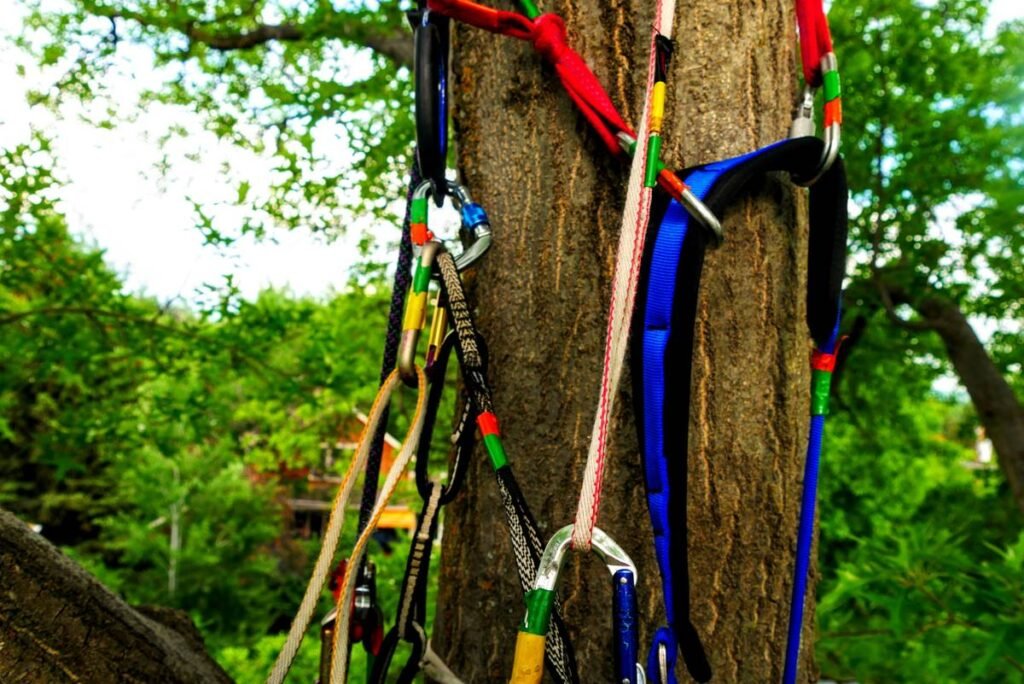
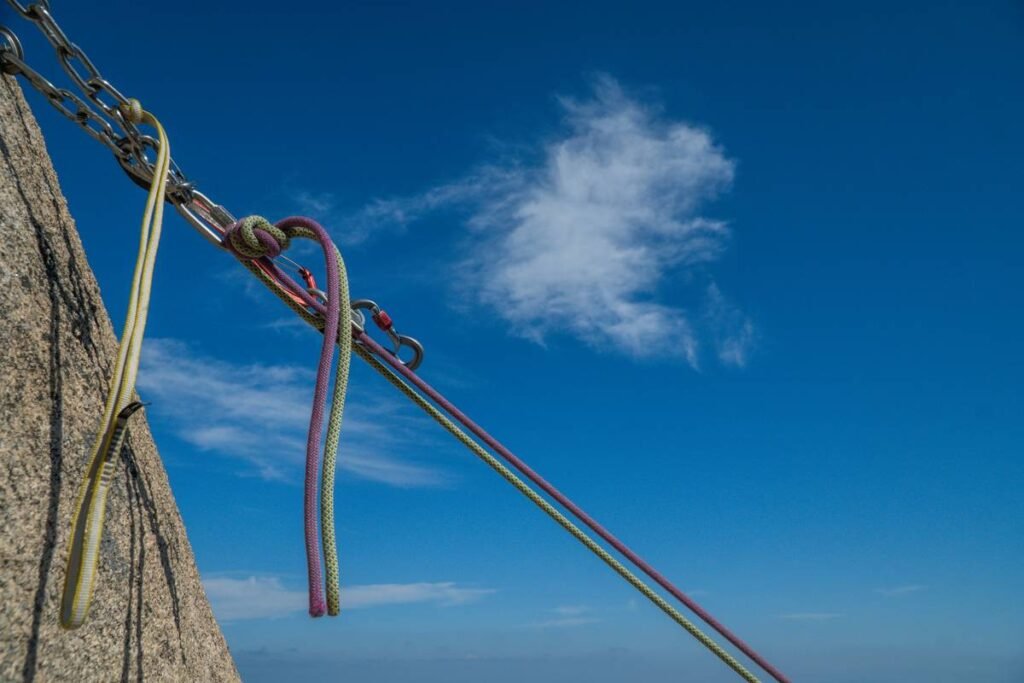
Anchors aren’t just “hardware on rock.” They’re dynamic systems built from bolts, slings, carabiners, cams, or natural features—and every component must work together under load. For beginners, understanding even basic anchor principles dramatically reduces risk.
Step-by-Step Climbing Tips for Beginners
How do I know if an anchor is safe?
Optimist You: “Just look for shiny metal!”
Grumpy You: “Ugh, fine—but only if coffee’s involved. And here’s the real checklist.”
- A = Angle: Any two-point anchor (like slings around trees or bolts) should form an angle ≤ 60°. Beyond that, force multiplies exponentially. At 120°, each leg carries 100% of the load—doubling stress. Use your arms to estimate: if it feels like a wide yawn, it’s too wide.
- B = Backup (Redundancy): Every anchor needs redundancy. If one piece fails, another must hold. Never rely on a single cam, knot, or bolt unless it’s a certified fixed anchor (and even then, verify).
- C = Components: Inspect every part. Is the sling frayed? Are carabiners gate-sprung? Are bolts rusted or spinning? Pro tip: carry a small flashlight to peer into bolt holes for corrosion.
Should I buy my own anchor gear right away?
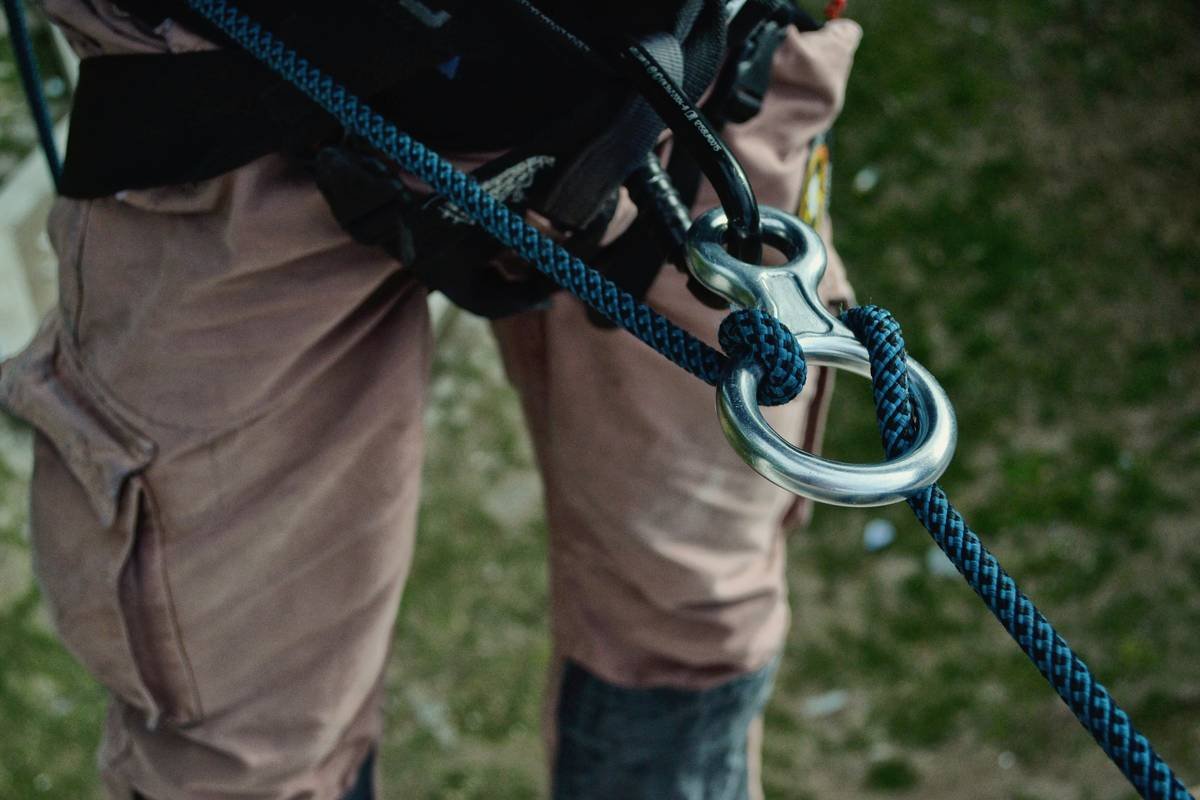
Nope. Rent or borrow until you’ve taken a course. Throwing $300 at cams without knowing how to place them is like buying a race car before getting your license. Start with a basic anchor-building kit: two locking carabiners, a 60cm nylon sling, and a cordelette. Practice tying knots (e.g., figure-8, double fisherman’s) at home until they’re muscle memory.
Best Practices for Gear and Anchors
- Always test before trusting: Gently weight the anchor before committing your full body.
- Color-code your system: Use red carabiners for anchors, blue for personal tethers—this prevents confusion mid-climb.
- Replace gear on schedule: Slings lose 50% strength after 5 years, even unused (Black Diamond data). Mark purchase dates with a permanent marker.
- Communicate clearly: Use standardized calls: “On belay?” → “Belay on!” → “Climbing!” → “Climb on!” No slang, no ambiguity.
Reality? Fixed anchors degrade. Wildlife chews slings. UV exposure weakens nylon. Always inspect.
Rant Section: My Pet Peeve
People who rig top-rope anchors with static rope wrapped directly around trees—no padding, no redirects. Not only does this girdle (kill) the tree, but bark abrasion can shred your rope in one fall. Use a padded sling or commercial tree protector. Mother Nature isn’t your gear closet.
Real-World Case Study: A Close Call That Shouldn’t Have Happened
Last spring, I guided a beginner clinic at Red River Gorge. One participant clipped into a rappel anchor made of two old, rusty bolts connected by a faded blue sling. She tugged it lightly—it held. But when she weighted it fully, the sling snapped at the knot (sun damage + poor tying). She dropped 3 feet onto her belayer. No injuries, but total preventable panic.
We later found the sling was over 8 years old, exposed to direct sun daily. Lesson? Age + environment = hidden danger. Now, I teach students to run the “tug-test + visual + smell” check: tug firmly, look for fuzz or cracks, and sniff for that acrid “burnt plastic” odor (sign of core damage).
FAQ: Climbing Tips for Beginners
What’s the safest type of anchor for beginners?
Bolted anchors at established sport climbs are ideal for learning. They’re predictable, redundant, and maintained by local groups. Avoid building trad anchors until you’ve taken a course.
Do I need to learn how to build anchors if I only top-rope?
Yes. Even top-roping requires verifying the anchor at the top. Plus, emergencies happen—you might need to self-rescue or assist others.
How often should I replace my anchor slings?
Every 5 years max, or immediately after a major fall, chemical exposure, or visible wear. When in doubt, retire it.
Can I trust anchors at indoor gyms?
Gyms follow strict inspection protocols (usually weekly), so yes—more reliably than outdoors. But always check that carabiners are locked and ropes aren’t frayed.
Conclusion
Climbing tips for beginners aren’t about conquering V5s or summiting El Cap next month. They’re about building a foundation where safety, awareness, and humility come before ego. Master anchor inspection, communicate clearly, and never stop asking “what if?” Because on the wall, knowledge doesn’t just empower—it saves lives.
And remember: like a Tamagotchi, your climbing skills need daily care. Feed them practice, clean them with feedback, and never let them die from neglect.
Chalk on my hands,
Anchor checked twice—safe today.
Mountain breathes with me.