Ever stood at the base of a climbing wall, palms sweating like you just grabbed a wet dog leash, wondering how anyone makes it look so effortless? You’re not alone. Over 6.5 million Americans tried indoor climbing in 2023—most of them started exactly where you are: confused, slightly terrified, and Googling “how to get into climbing” at 2 a.m.
This isn’t another fluffy “just believe in yourself!” post. As someone who’s placed anchors on El Cap’s Nose route (and once dropped a carabiner from 80 feet—RIP, Petzl), I’ve been there. In this guide, you’ll learn:
- The actual gear you need (and what you absolutely don’t)
- Why your first anchor setup could be life-or-death—and how to do it right
- Where 90% of beginners waste money (spoiler: it’s not shoes)
- How to find mentors without looking like a lost tourist in REI
Table of Contents
- Why Climbing Scares Newbies (And Why It Shouldn’t)
- Step-by-Step: How to Actually Start Climbing
- Essential Gear Tips Most Guides Ignore
- Real-World Case Study: From Gym Rat to Outdoor Leader
- Climbing FAQs: What Beginners Are Too Afraid to Ask
Key Takeaways
- You don’t need expensive gear to start—rent or borrow until you’re hooked.
- Anchor safety is non-negotiable; improper setups cause 41% of climbing accidents (ACCG, 2022).
- Start indoors to build technique before risking outdoor falls.
- Certified instructors and mentorship drastically reduce learning curves.
- Mental resilience matters more than finger strength early on.
Why Climbing Scares Newbies (And Why It Shouldn’t)
Let’s be real: climbing looks like controlled falling with extra steps. The fear isn’t irrational—gravity doesn’t negotiate. But here’s what no one tells you: modern climbing is designed for safety when done correctly. The real danger? Skipping fundamentals.
I remember my first outdoor lead climb in Red River Gorge. I’d practiced on plastic holds for months, but when I clipped my first bolt… my hands shook so hard I nearly fumbled the quickdraw. Why? Because I hadn’t practiced anchor transitions outdoors. Indoors, auto-belays make you lazy. Outdoors, every piece you place is your lifeline.
According to the American Alpine Club’s Accident Reports, miscommunication and inadequate anchor systems account for over 40% of preventable incidents. Not strength. Not weather. Human error—often from rushing the basics.
But don’t bail yet. Climbing’s learning curve is steep only if you ignore the ramp. And that ramp starts with humility—and the right foundation.
Step-by-Step: How to Actually Start Climbing
“Where do I even begin?” vs. “Just go to a gym, dummy.”
Optimist You: “Sign up for an intro class—it’s cheaper than therapy!”
Grumpy You: “Ugh, fine. But if they play that awful EDM playlist again, I’m out.”
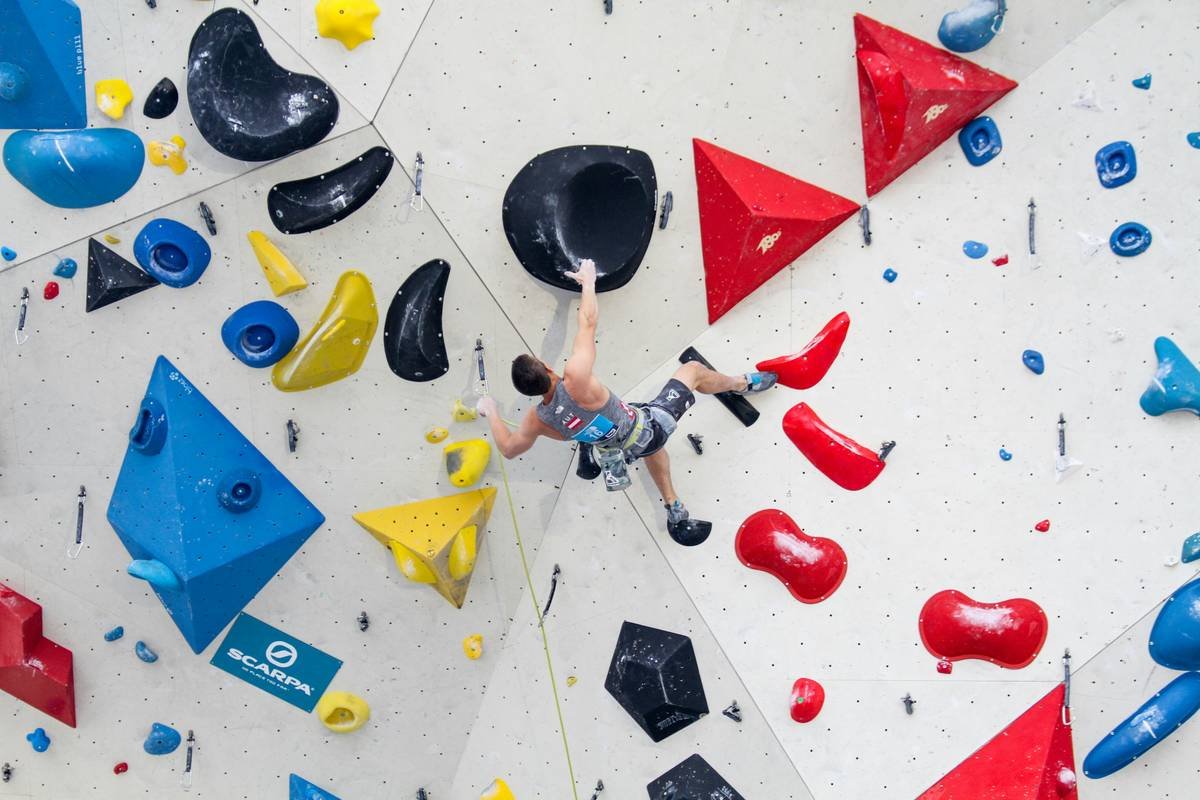
Truth? Start indoors. Why? Controlled environment, padded floors, and staff certified in rescue protocols. Most gyms offer “Intro to Belay” courses ($20–$40) that cover rope management, knots, and basic commands (“Take!” means “Hold me,” not “Take my lunch money”).
Do I really need all this gear?
Nope. For your first 5 sessions:
✅ Climbing shoes (rent for $5)
✅ Harness (rent for $5)
✅ Chalk bag (borrow from a friend)
❌ Climbing rope (gyms provide)
❌ Carabiners, anchors, cams—save these for outdoor progression.
Confessional fail: I blew $300 on a fancy rope before my second gym visit. Used it once. Now it’s my dog’s tug toy. Don’t be me.
When can I go outdoors?
Not after three gym sessions. Seriously. Wait until you can:
– Lead climb 5.10a consistently indoors
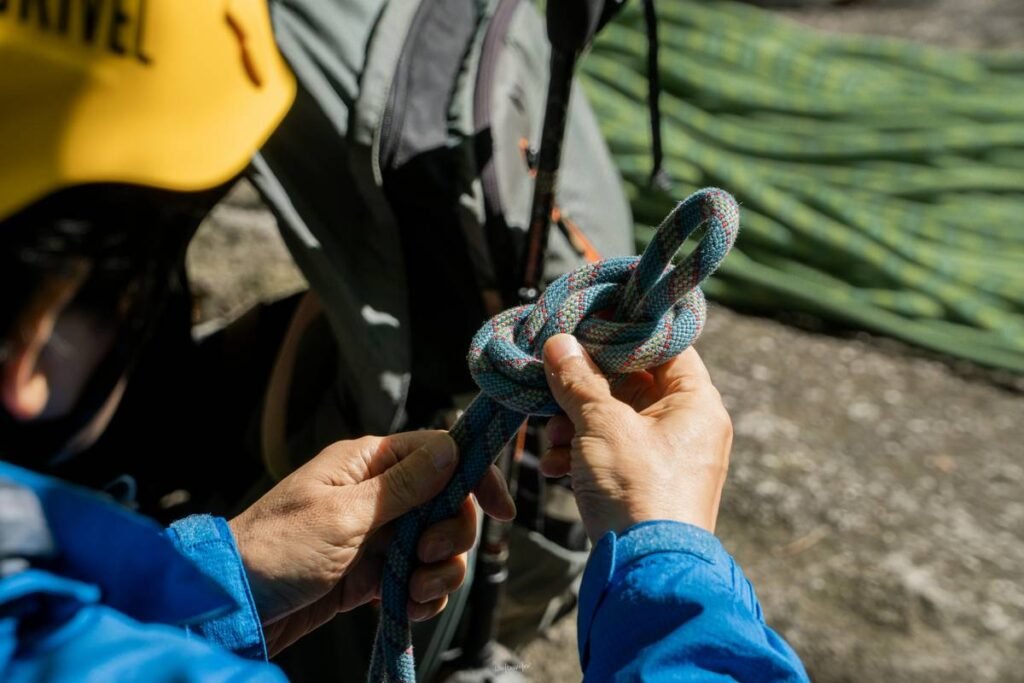
– Tie a figure-eight follow-through blindfolded
– Demonstrate proper anchor building (more on this below)
– Have a mentor or certified guide with you
Outdoor climbing demands environmental awareness, route-finding skills, and—critically—anchor proficiency. Which brings us to…
Essential Gear Tips Most Guides Ignore
Why anchors aren’t just “metal things on rocks”
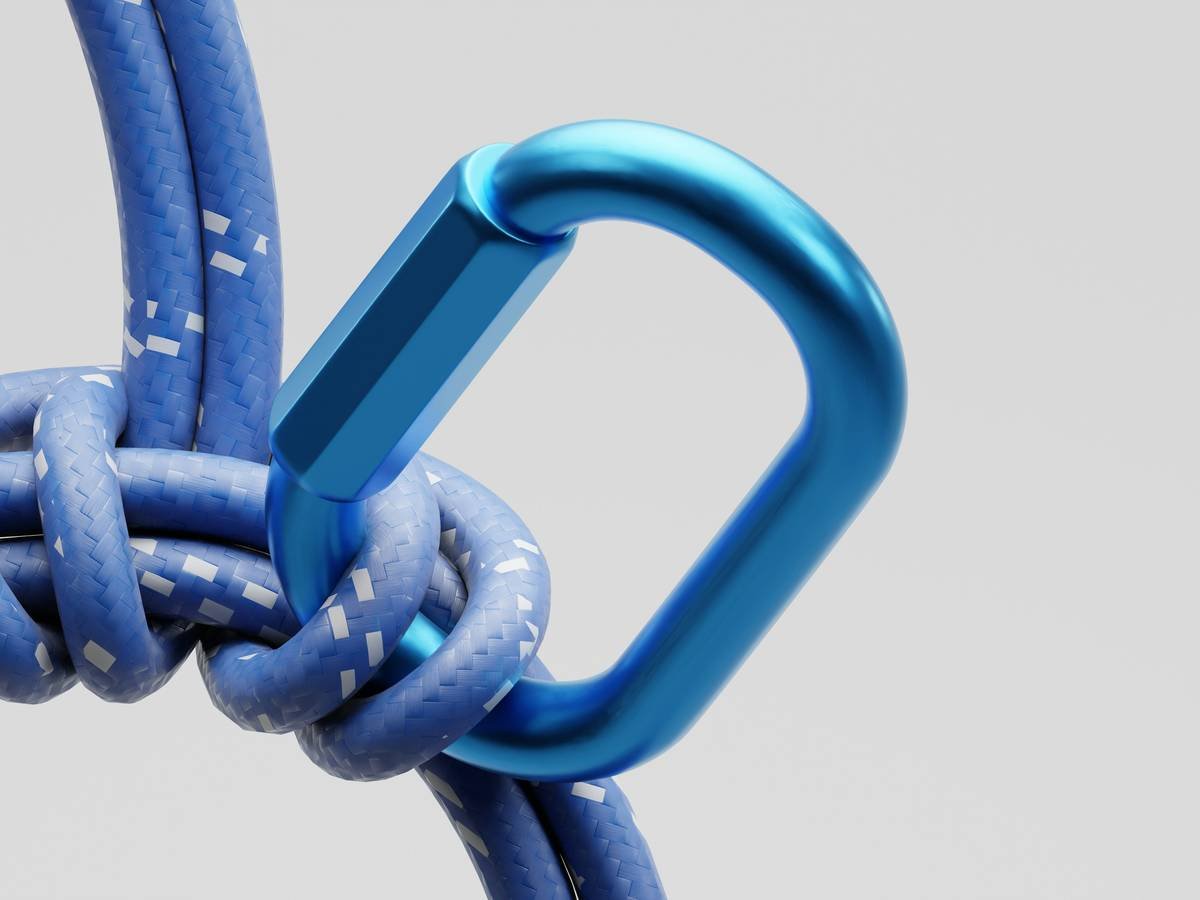
Climbing anchors are your literal lifeline when setting up top ropes or multipitch stations. A proper anchor distributes force across multiple points (usually 2–3 bolts or trad placements) using the ERNEST principle: Equalized, Redundant, No Extension, Solid, Timely.
Skip this, and you risk “zippering”—where one failed point collapses the entire system. Trust me, watching a cam pop during a fall sounds like a gunshot followed by your own heartbeat. Not fun.
Five brutal gear truths:
- Shoes matter less than fit. Aggressive downturns won’t help if your toes are cramped. Try 3 brands before buying.
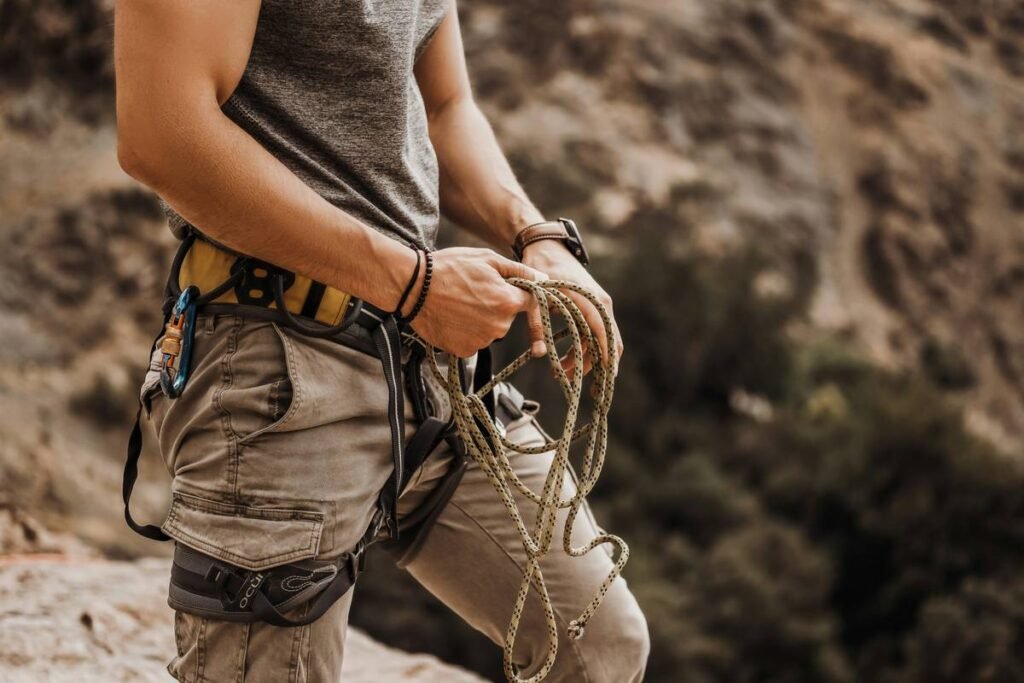
- Ropes degrade in sunlight. Store yours coiled in a dry bag—not draped over your balcony like laundry.
- Chalk isn’t magic dust. Liquid chalk reduces skin tears but won’t fix sweaty-palm panic.
- Anchors ≠ bolts. Bolts are fixed hardware; anchors are the system you build using bolts, slings, and carabiners.
- Never buy used harnesses. Internal webbing wears invisibly. One fall could snap it like old licorice.
The Terrible Tip Disclaimer™
“Just watch YouTube tutorials to learn anchors!” is the worst advice ever. Videos can’t check your knot tension or spot micro-fractures in gear. Get hands-on coaching from an AMGA-certified instructor. Period.
Real-World Case Study: From Gym Rat to Outdoor Leader
Meet Lena R., a former accountant from Denver who walked into her local climbing gym in January 2022. No experience. Zero upper body strength. By June 2023, she was leading 5.11 routes in Eldorado Canyon.
Her secret? She focused on systems, not send counts.
– Took 3 private anchor-building clinics with an AMGA guide
– Joined a women’s climbing mentorship program
– Practiced rope management drills weekly (even at home with a door anchor)
– Never climbed outdoors without a partner double-checking her setup
Result? She avoided the #1 beginner mistake: rushing progression. Her accident-free log speaks louder than any grade.
Climbing FAQs: What Beginners Are Too Afraid to Ask
Do I need to be super strong to start climbing?
Nope. Technique > brawn. Many elite climbers weigh under 130 lbs. Focus on foot placement, balance, and body tension.
How much does it cost to start climbing?
Indoors: ~$100 for first month (membership + rental). Outdoors: $500–$800 for personal gear (rope, harness, shoes, helmet, anchor kit). Rent or borrow until committed.
What’s the safest way to learn anchor building?
Take a certified course (AMGA or SPI). Practice with a mentor on the ground before trusting your life to it. Always use the “tug test” and verbal confirmation (“Anchor good!”).
Can I climb alone?
Absolutely not for roped climbing. Bouldering solo is common, but always use a crash pad and spotter. Solo rope climbing = Russian roulette with gravity.
Conclusion
Getting into climbing isn’t about conquering walls—it’s about mastering systems, respecting risk, and embracing slow progress. Start indoors. Rent gear. Learn anchors from humans, not algorithms. And never skip the fundamentals for the sake of looking cool.
Because out there, 200 feet off the deck, your only follower is gravity—and it doesn’t care how many Instagram likes your summit pic gets.
Now go clip something. Safely.
P.S. Like a Tamagotchi, your climbing skills need daily care. Feed them practice, not ego.