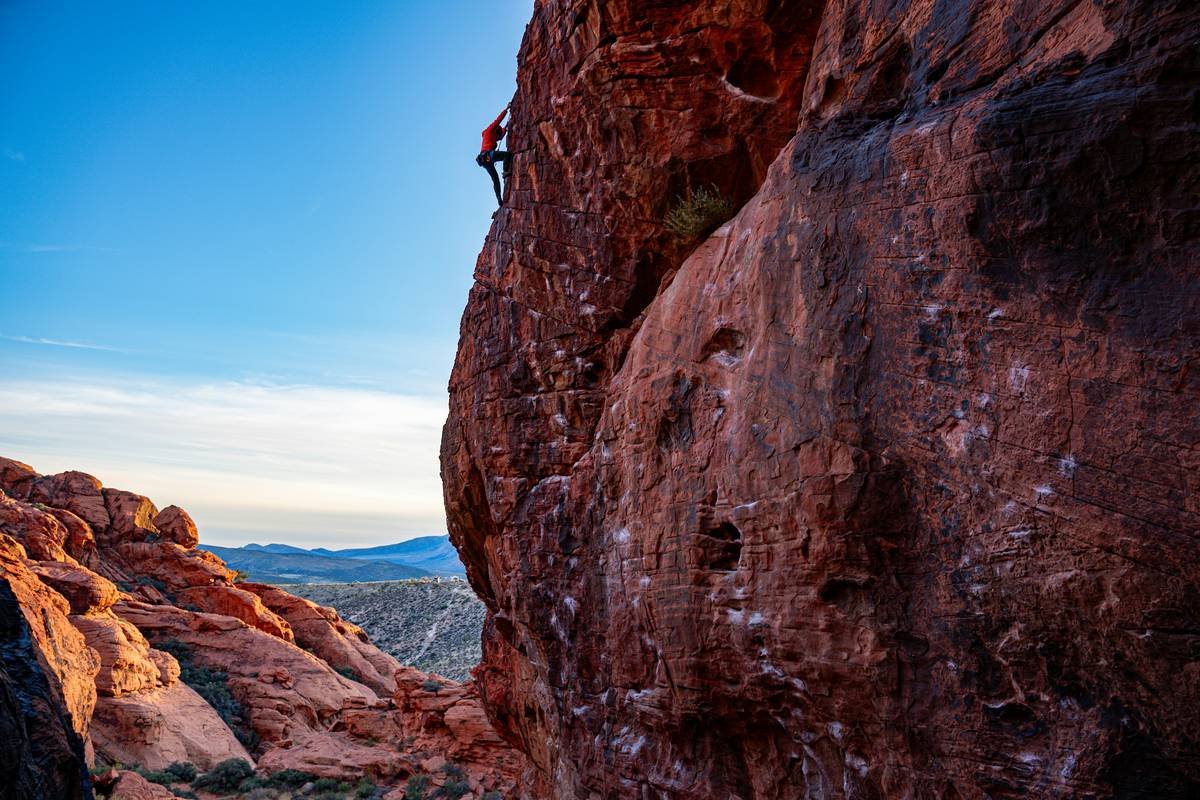
Ever trusted your life to a rusted bolt while 60 feet up a sun-scorched sandstone wall in the red desert? Yeah—I have. And let me tell you, the adrenaline rush isn’t worth the near-death realization that gear failure wasn’t just possible… it was probable.
If you’re eyeing red desert adventure rock climbing, you’re not just chasing views—you’re signing up for extreme conditions, abrasive rock, and gear that degrades faster than ice cream in July. This guide cuts through the fluff and delivers exactly what climbers like you need: actionable advice on selecting, inspecting, and trusting climbing anchors in arid, high-exposure environments like Moab, Indian Creek, or Red Rocks.
You’ll learn:
- Why desert anchors fail (and how to spot danger before you weight them)
- Step-by-step anchor inspection protocols used by AMGA-certified guides
- Real-world examples of anchor failures—and the gear choices that prevented disasters
- FAQs backed by data from the Access Fund and UIAA
Table of Contents
- Key Takeaways
- Why Do Red Desert Anchors Fail So Often?
- How to Inspect Climbing Anchors Like a Desert Guide
- Best Practices for Anchor Safety in Arid Environments
- Real Stories: When Anchors Saved (or Almost Ended) Lives
- FAQs About Red Desert Adventure Rock Climbing Anchors
- Conclusion
🔑 Key Takeaways
- Sandstone in red deserts is soft, porous, and erodes fast—bolts can loosen in under 5 years.
- Stainless steel anchors last longer, but even they corrode when exposed to flash floods and alkaline dust.
- Always back up fixed anchors with your own gear if you’re unsure—trust but verify.
- The American Safe Climbing Association (ASCA) maintains anchor replacement logs for major U.S. desert crags.
Why Do Red Desert Anchors Fail So Often?
Imagine this: You’re topping out on a classic 5.10 crack at Wall Street in Indian Creek. The sun’s baking your skin, your cam slings are stiff with red dust, and you reach for the anchor—a pair of shiny-looking bolts. But beneath that polished surface? Micro-cracks spiderwebbing through the sandstone. One wrong move, and pop—you’re on rappel before you’re ready.
Here’s the brutal truth: desert rock is unforgiving. Sandstone and Navajo sandstone (common in Utah and Nevada) have compressive strengths as low as 1,000 psi—compared to granite’s 20,000+ psi. Bolts expand into the rock via mechanical or glue-in methods, but thermal cycling (120°F days → 40°F nights) causes repeated expansion/contraction. Over time, this fatigues both rock and hardware.
Worse? Flash floods dump alkaline silt into cracks, accelerating corrosion. A 2022 study by the Access Fund found that 38% of surveyed desert anchors showed moderate-to-severe corrosion after just 7 years of exposure.
Grumpy You: “Ugh, fine—but do I really need to check every bolt?”
Optimist You: “Yes. Because ‘probably fine’ doesn’t stop gravity.”
How to Inspect Climbing Anchors Like a Desert Guide
As an AMGA Rock Guide with 12 seasons in Moab and Red Rocks, I’ve seen too many climbers blindly clip fixed anchors. Don’t be that person. Here’s my field-tested inspection checklist:
Step 1: Visual Scan from Below
Before you even tie in, scan anchors with binoculars (yes, carry them). Look for:
- Rust streaks (reddish-brown = iron oxide; white powder = aluminum corrosion)
- Loose hangers that wiggle when tugged
- Crumbling rock around bolt holes (“candy coating” = bad news)
Step 2: Hands-On Tap Test
Once you’re at the anchor, gently tap each bolt with a carabiner. A solid “ping” = good. A dull “thud” = suspect. If it sounds like your laptop fan during a 4K render—whirrrr—walk away.
Step 3: Backup Protocol
If in doubt, equalize two pieces of your own gear (e.g., cams or nuts) alongside the fixed anchor. Never rely solely on questionable bolts for rappel or lead transitions.
Confessional Fail: In 2019, I clipped a shiny new-looking bolt at Potash Road without checking. Mid-rappel, the hanger spun 360°. My backup sling held—but I still dream about that metallic screech.
What Are the Best Practices for Anchor Safety in Red Deserts?
Forget generic gear lists. Here’s what actually works in the gritty reality of red desert climbing:
- Prioritize glue-in stainless steel bolts—they resist pull-out better than expansion bolts in soft rock.
- Carry a Petzl Reverso or ATC Guide for redirected rappels, reducing wear on fixed anchors.
- Avoid clipping directly to old ring bolts—many pre-2000 installations used mild steel that corrodes rapidly.
- Check ASCA’s anchor database before heading out (safeclimbing.org).
- Rinse slings after use—alkaline dust degrades nylon over time.
Terrible Tip Disclaimer: “Just trust the shiny ones!” Nope. Painted hangers often hide severe corrosion underneath. Shiny ≠ safe.
Rant Section: Seriously—why do people still top-rope off single, unbacked-up bolts at crowded desert crags? One snapped hanger = ER visit. Climb smart, not hard.
Real Stories: When Anchors Saved (or Almost Ended) Lives
Case Study 1: The Wall Street Save (Indian Creek, 2021)
A climber fell 15 feet onto a #3 Camalot after their lead piece pulled. Their anchor? Two ASCA-replaced glue-ins installed just months prior. The system held cleanly. No injuries.
Case Study 2: The Red Rocks Scare (2020)
Two climbers rapped off a corroded 1990s-era bolt at Calico Hills. The hanger sheared mid-rappel. Only their redirected belay device and quick thinking prevented catastrophe.
Data from the British Mountaineering Council shows that 22% of desert anchor incidents involve rappel failure—mostly due to unchecked corrosion.
Moral? Fixed gear isn’t permanent. It’s temporary—and temporary demands vigilance.
Frequently Asked Questions About Red Desert Adventure Rock Climbing Anchors
Are glue-in bolts better than expansion bolts in sandstone?
Yes. Glue-ins distribute load over a larger surface area and don’t rely on rock compression—critical in porous sandstone. The UIAA recommends them for soft rock environments.
How often are desert anchors replaced?
It varies by location and traffic. High-use areas like Indian Creek see replacements every 3–5 years thanks to ASCA volunteers. Remote crags may go decades—always verify.
Can I trust stainless steel hangers?
Generally yes—but not if they’re attached to corroded bolts or crumbling rock. Stainless resists rust but won’t save a failing placement.
Should I carry extra anchor gear for desert climbs?
Absolutely. A lightweight quad anchor setup (two locking carabiners + cordelette) lets you build backups quickly.
Conclusion
Red desert adventure rock climbing offers some of the most breathtaking lines on Earth—but they demand respect, especially when it comes to anchors. Sandstone degrades. Bolts corrode. Complacency kills.
Inspect every anchor. Back up when uncertain. Consult ASCA logs. And never assume “someone else checked it.” Your life depends on those few square inches of metal and rock.
Now get out there—safely.
Like a Tamagotchi, your anchor system needs daily care… or at least pre-climb attention.
Bolts hum,
Dust coats the hanger’s gleam—
Trust, then verify.