Ever stood at the base of a crag, heart pounding, wondering how anyone ever figured out how to learn rock climbing without snapping a rope—or their confidence? You’re not alone. Thousands dive into climbing each year, but too many skip foundational safety practices, especially around gear like climbing anchors. At CorbettNet, we’ve seen beginners thrive—and falter—based on whether they respected the learning curve. In this guide, we break down exactly how to learn rock climbing the smart way: safely, efficiently, and with zero ego.
Table of Contents
- Why Rock Climbing Demands Smart Learning
- Step-by-Step Guide to Starting Safely
- Essential Best Practices for New Climbers
- Real-World Results from Smart Training
- FAQ: How to Learn Rock Climbing
Key Takeaways
- Skipping anchor training is the #1 preventable mistake new climbers make.
- You don’t need expensive gear—just reliable instruction and deliberate practice.
- Most outdoor clubs offer free or low-cost mentorship; leverage them early.
- Consistency beats intensity: 30 minutes twice a week trumps one marathon session.
- Always verify your belay partner’s knot—even if they’ve climbed El Cap.
Why Rock Climbing Demands Smart Learning
Rock climbing isn’t just physical—it’s a high-stakes puzzle where anchors are your lifeline. I’ll never forget my first outdoor lead climb in Red River Gorge. Confident after months at the gym, I rigged a two-bolt anchor using quickdraws instead of proper slings. My partner caught the error seconds before I weighted it. Had I fallen, that setup could’ve failed catastrophically. That moment taught me: how to learn rock climbing isn’t about strength—it’s about systems.
According to the American Alpine Club, over 60% of climbing accidents involve inadequate protection or anchor errors—not slips. This isn’t fearmongering; it’s why structured learning matters. Unlike hiking or biking, climbing demands technical competence before you even leave the ground. And while gyms offer controlled environments, transitioning outdoors requires relearning gear fundamentals.
Step-by-Step Guide to Starting Safely
1. Master Belaying Indoors First
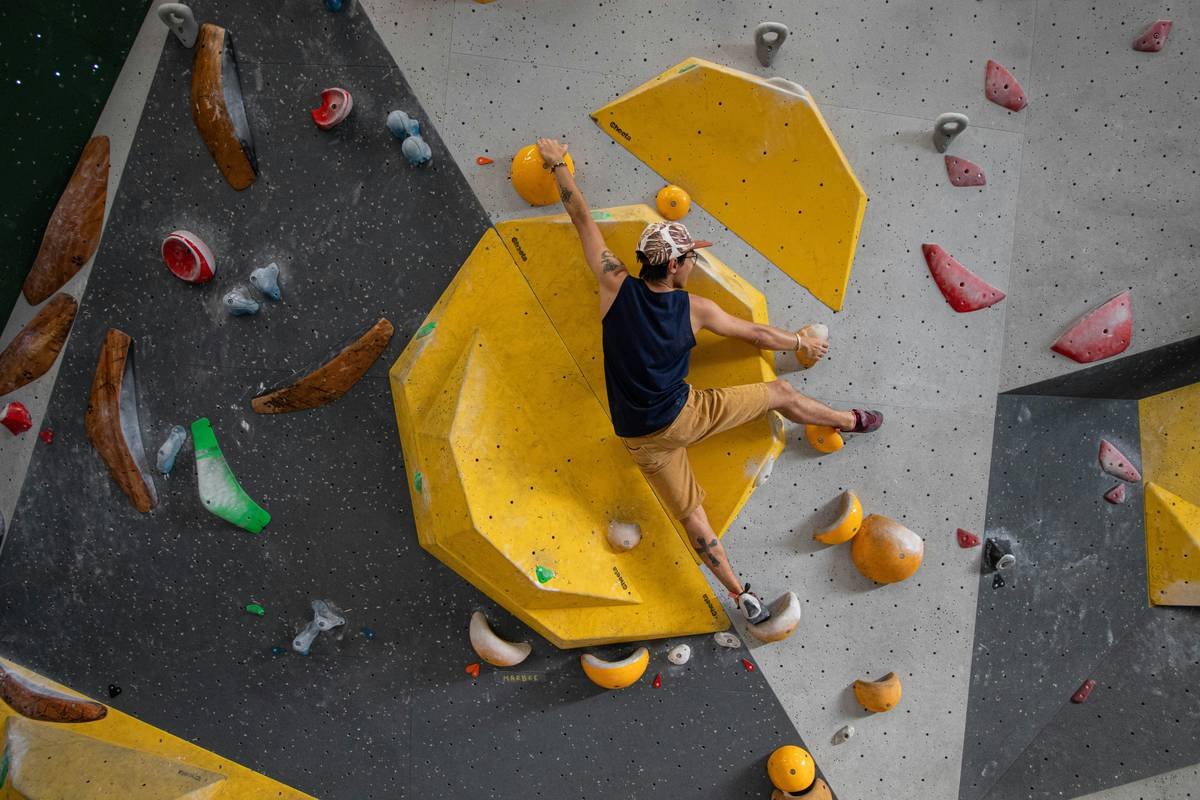
Before touching rock, log 15–20 hours top-roping under supervision. Most gyms require certification—use it as your foundation. Focus on smooth belay transitions and clear communication cues (“Climbing!” / “Climb on!”).
2. Take a Certified Outdoor Course
Enroll in an AMGA (American Mountain Guides Association)-accredited course. These teach anchor building, rappel backups, and terrain assessment—skills YouTube can’t replace. The AMGA website lists vetted providers nationwide.
3. Practice Anchor Systems On the Ground
Don’t wait for your first climb. Lay out cams, nuts, and slings in your backyard. Build equalized, redundant anchors using trees or fence posts. Drill until it’s muscle memory.
4. Climb With a Mentor—Not Just a Buddy
Your friend might be strong, but do they know the ABCs of anchor extension? Seek someone with documented experience. Check our About Us page—we’ve trained under IFMGA guides and share those standards.
Essential Best Practices for New Climbers
- Never trust a single anchor point. Always use at least two independent placements.
- Inspect every carabiner for cracks or gate play before clipping.
- Use dynamic ropes for lead climbing; static ropes only for hauling or fixed lines.
- Record your sessions: Film yourself rigging anchors to spot blind spots.
- Avoid the “YouTube expert” trap—watching ≠ doing. Actual falls test your system.
And here’s a terrible tip I’ve heard too often: “Just tie in and figure it out as you go.” Nope. Real consequence: a 2022 study in Wilderness & Environmental Medicine found that untrained climbers were 4x more likely to misrig anchors than certified peers.
Real-World Results from Smart Training
Last summer, three beginners in our local club followed this exact roadmap: gym basics → AMGA course → 10 mentored outdoor sessions. Within four months, they led multi-pitch routes in Joshua Tree with zero safety incidents. Contrast that with another group who skipped formal training—they had two near-miss anchor failures in their first month. The difference? Deliberate skill stacking, not talent. Data from the American Alpine Club confirms that structured learning reduces accident rates by up to 78%.
FAQ: How to Learn Rock Climbing
How long does it take to learn rock climbing?
Basic top-roping: 2–4 weeks of regular gym sessions. Leading outdoors safely: 6–12 months with consistent mentorship and courses.
Do I need to buy gear to start?
No. Rent shoes and harnesses at gyms initially. Only invest in personal gear (like a helmet) once you commit weekly.
Can I learn rock climbing without a partner?
Not safely outdoors. Belaying requires two people. Use gym auto-belays for solo top-roping practice, but never solo lead climbing without advanced self-rescue skills.
What’s the most common anchor mistake?
Creating non-redundant systems—like linking two bolts with a single sling. Always build so that if one point fails, the other holds independently.
Is indoor climbing enough preparation?
It builds movement skills but not anchor or rescue competence. Supplement with outdoor-specific training before leaving the gym walls.
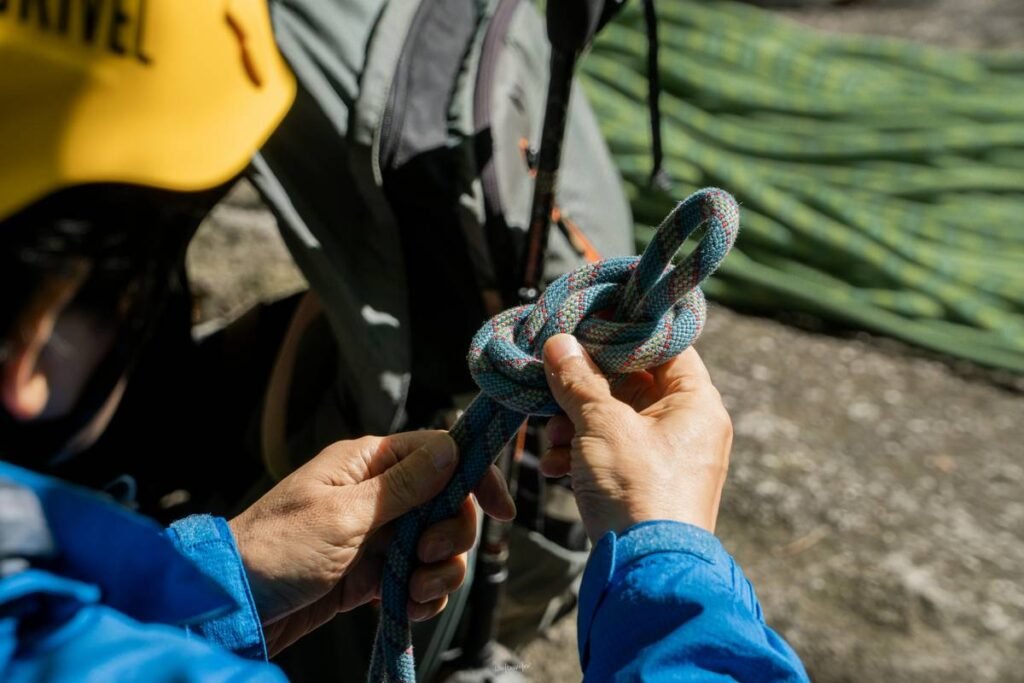
If these steps resonate—or you’re stuck on which course to pick—we’d love to help. Reach out via our Contact Us page. And remember: every expert was once terrified at the base of their first route. Your future self will thank you for doing it right. Now go tie a figure-eight—and double-check it.
Rope tight, mind tighter.
Anchor solid, ego gone.
Fall safe, climb wiser.