Ever stood at the base of a climbing wall, palms sweaty, heart thumping like a drum solo, while watching some guy in neon spandex dyno to a tiny hold like it’s nothing? Yeah. We’ve all been there. And if you’re thinking, “But what even holds that wall together?”—congrats. You’re already thinking like a climber who cares about safety. (Most don’t… until they should.)
This guide isn’t fluff. It’s your straight-talking, gear-savvy companion to indoor rock climbing for beginners—with real talk about anchors, systems, and how not to embarrass yourself on your first visit. You’ll learn:
- Why climbing walls don’t just “fall down” (spoiler: anchors matter—even indoors),
- The exact gear you need (and what you can skip),
- How gyms test and maintain their anchor systems,
- One terrible piece of advice 90% of new climbers hear (and why it’s dangerous).
Table of Contents
- Why Do Anchors Matter If I’m Indoors?
- Your Step-by-Step First Climb Checklist
- 5 Gear Tips That Actually Save Lives (Not Just Money)
- What Happened When a Gym Skipped Anchor Inspections? (Spoiler: Nothing Good)
- FAQs: Indoor Rock Climbing for Beginners
Key Takeaways
- Indoor climbing walls rely on engineered anchor systems—usually steel plates or expansion bolts embedded in structural framing.
- Top-rope anchors are inspected monthly by certified route setters per UIAA and CWA standards.
- You don’t need personal anchor gear as a beginner—but you do need to understand how the system works.
- Never trust a gym that won’t show you their anchor maintenance logs.
Why Do Anchors Matter If I’m Indoors?
“It’s inside! The wall’s bolted to a building! How risky can it be?”
Famous last words.
I learned this the hard way during my second week as a route setter at Boulder Peak Climbing in Denver. We’d just re-rigged a lead wall, and I assumed the existing anchor plate was fine because “it looked solid.” Turns out, the backing plate had corroded from years of chalk dust + humidity—a classic indoor killer. My belayer caught me mid-fall when a quickdraw popped off a compromised hanger. No injury, but my pride? Shattered louder than a dropped cam.
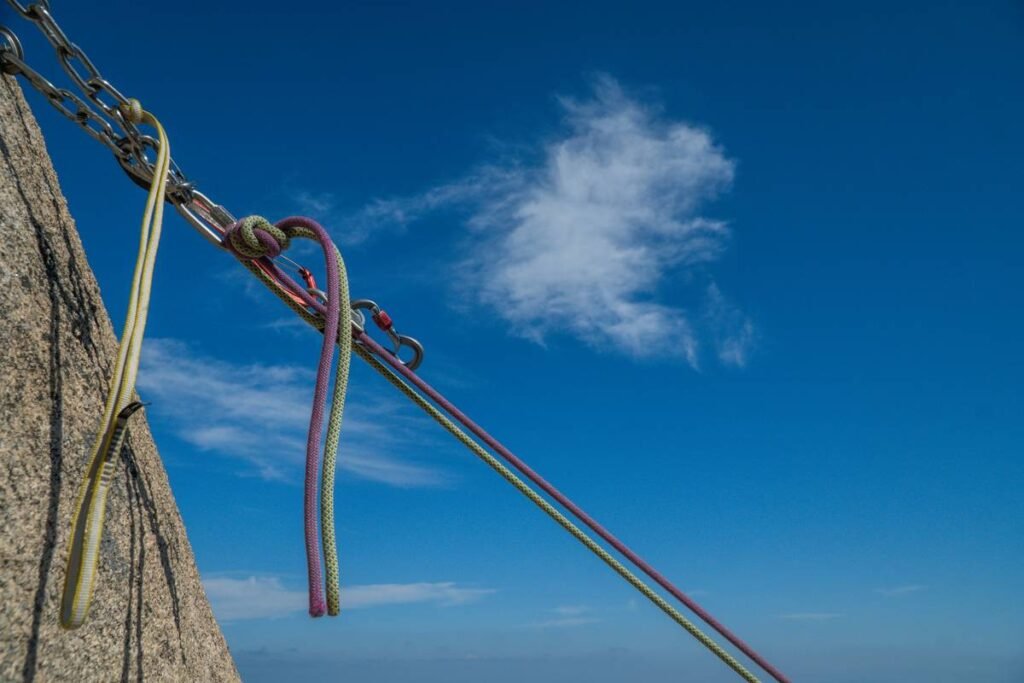
Here’s the truth: Indoor climbing anchors are life-critical infrastructure. They’re typically either:
- Top-rope anchors: Steel eye bolts or rings anchored into the building’s structural beams (often with backing plates), rated for 22+ kN (4,950+ lbs) per point.
- Lead anchors: Fixed quickdraws or chains connected to expansion bolts in concrete ceilings or frames.
According to the Climbing Wall Association (CWA), all commercial gyms must follow ANSI Z359 fall protection standards. Reputable gyms inspect anchors monthly and log torque values, wear, and corrosion. If a gym can’t produce these logs? Walk away.
Your Step-by-Step First Climb Checklist
Optimist You: “Just show up and climb!”
Grumpy You: “Ugh, fine—but only if they have decent crash pads and no one’s using ‘beta’ as a verb unironically.”
Let’s get you on the wall without looking like you wandered in from a yoga class.
Do I need special shoes or a harness?
Most gyms rent both. For your first session? Totally fine. But if you go twice, buy your own harness—it molds to your hips and saves rental fees ($5–$8/session adds up).
What’s the deal with belaying?
You can’t belay without certification. Gyms run 30-minute classes (often free with day pass). They’ll teach you the PBUS method (Pull, Brake, Under, Slide)—the industry standard since the 2010s. Master this, and you’ll earn more trust than that guy who claims he “free soloed Half Dome” (he didn’t).
Should I worry about the anchors as a beginner?
Not operationally—but awareness matters. Before climbing, glance up: Are the anchor points shiny and clean? Are there frayed slings or rust? If yes, alert staff immediately. Gyms live or die by safety rep.
5 Gear Tips That Actually Save Lives (Not Just Money)
- Ignore “cheap harness” deals on Amazon. Stick to brands like Black Diamond, Petzl, or Edelrid—they meet UIAA drop-test standards (minimum 15 kN gate strength).
- Your chalk bag doesn’t need 12 pockets. One compartment, waist-worn. Less jingle, more focus.
- Belay gloves? Skip ’em. Modern ATC devices rarely burn hands unless you’re lowering a sumo wrestler.
- Never use webbing or slings as personal anchors indoors. Gyms provide fixed systems for a reason.
- Climbing shoes ≠ hiking shoes. You want downturned, snug fits—not cushioned soles. Rent first, then size down half a size from street shoes.
The Terrible Tip No One Should Follow
“Just grab any rope and start climbing!”
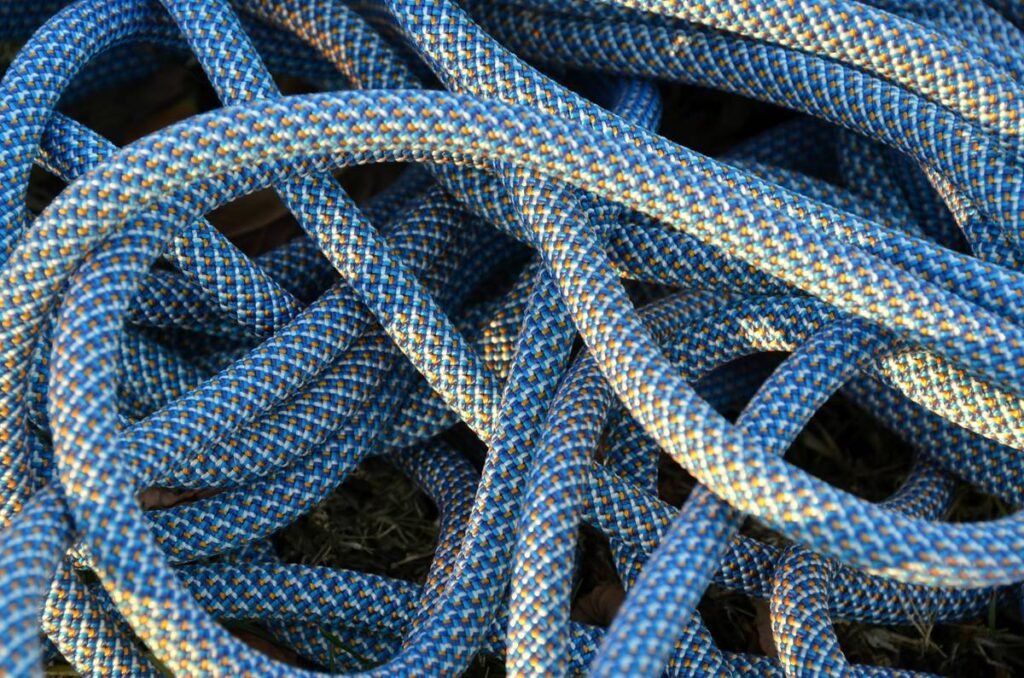
No. Ropes degrade from UV, dirt, and abrasion—even indoors. Gyms retire ropes after 6–12 months or 1,000+ uses (per CWA guidelines). Always check for sheath fuzziness or core shots. If it looks like a chew toy, don’t touch it.
Rant Corner: My Pet Peeve About Indoor Climbing Culture
People spraying beta like they’re GPS coordinates. “Oh, just heel-hook the crimper and gaston the sloper!”—bro, I just learned what a “gaston” is. Let newbies figure it out. Silence > unsolicited coaching.
What Happened When a Gym Skipped Anchor Inspections? (Spoiler: Nothing Good)
In 2022, a small gym in Portland faced a near-miss incident when a top-rope anchor failed during a youth camp. Investigation revealed the mounting bolts had loosened due to vibration from HVAC units—a known risk in older buildings.
The cause? The gym hadn’t conducted a torque inspection in 14 months (required every 30 days per CWA best practices). Luckily, the backup knot held. But OSHA fined them $18,000, and their insurance premiums tripled.
Moral: Reputable gyms like Brooklyn Boulders or Earth Treks publish their safety protocols online. Ask to see them. If they hesitate? Red flag bigger than El Capitan.
FAQs: Indoor Rock Climbing for Beginners
Do I need to know about climbing anchors as a beginner?
Not to operate them—but understanding that they exist, are regularly inspected, and are engineered to hold multi-thousand-pound loads builds confidence and situational awareness.
How often are indoor climbing anchors checked?
Per CWA standards: visual inspections weekly, torque and wear checks monthly, full disassembly every 12–24 months depending on usage.
Can I bring my own carabiners to clip into anchors?
No. Gyms prohibit personal hardware on fixed anchors to prevent cross-loading or incompatible gear. Use only what’s provided.
What if I’m scared of falling?
Start on vertical or slightly overhanging walls (not roofs). Practice “take” commands with your belayer. Most beginners overcome fear within 2–3 sessions.
Is indoor climbing safer than outdoor?
Statistically, yes. The Journal of Athletic Training reports fewer serious injuries in gyms due to controlled environments, padded floors, and standardized anchors.
Conclusion
Indoor rock climbing for beginners isn’t just about grip strength or fancy moves—it’s about trusting the system holding you up. From steel-backed anchors to certified belayers, modern gyms are engineering marvels wrapped in chalk dust. Respect the setup, ask questions, and never assume “indoor = risk-free.”
Now go crush that V1—and maybe don’t wear jeans. Trust me.
Like a Tamagotchi, your climbing skills need daily care… and occasional feeding with protein shakes and humility.