Ever stood at the base of a pristine desert tower, rope in hand, only to realize the only anchor option is a gnarled pine growing out of cracked sandstone? Or worse—assumed that chockstone wedged in a crack was bomber… until it shifted under load? You’re not alone. According to the American Mountain Guides Association (AMGA), over 22% of anchor-related incidents in trad climbing involve misjudged natural features.
This post cuts through the fluff and dives deep into Natural Feature Anchors—what they are, when (and when not) to trust them, how to evaluate them like a pro, and real-world lessons from the sharp end. You’ll learn:
- How to distinguish between reliable and deceptive natural anchors
- A practical 4-step evaluation system used by certified guides
- Case studies where natural anchors saved—and nearly ended—climbs
- Critical mistakes even experienced climbers make (yes, I’ve made them too)
Table of Contents
- What Are Natural Feature Anchors?
- How to Evaluate Natural Anchors: Step-by-Step
- Best Practices for Safe Use
- Real-World Case Studies
- FAQs About Natural Feature Anchors
Key Takeaways
- Natural Feature Anchors include trees, chockstones, horns, threads, and flakes—but not all are trustworthy.
- Always test for movement, rock quality, root integrity (for trees), and directional pull.
- Never rely solely on one natural feature unless it’s been verified as “bomber” by multiple criteria.
- The UIAA and AMGA classify natural anchors as “conditional”—meaning context is everything.
- When in doubt, back it up or walk away. Ego has no place at the anchor.
What Are Natural Feature Anchors?
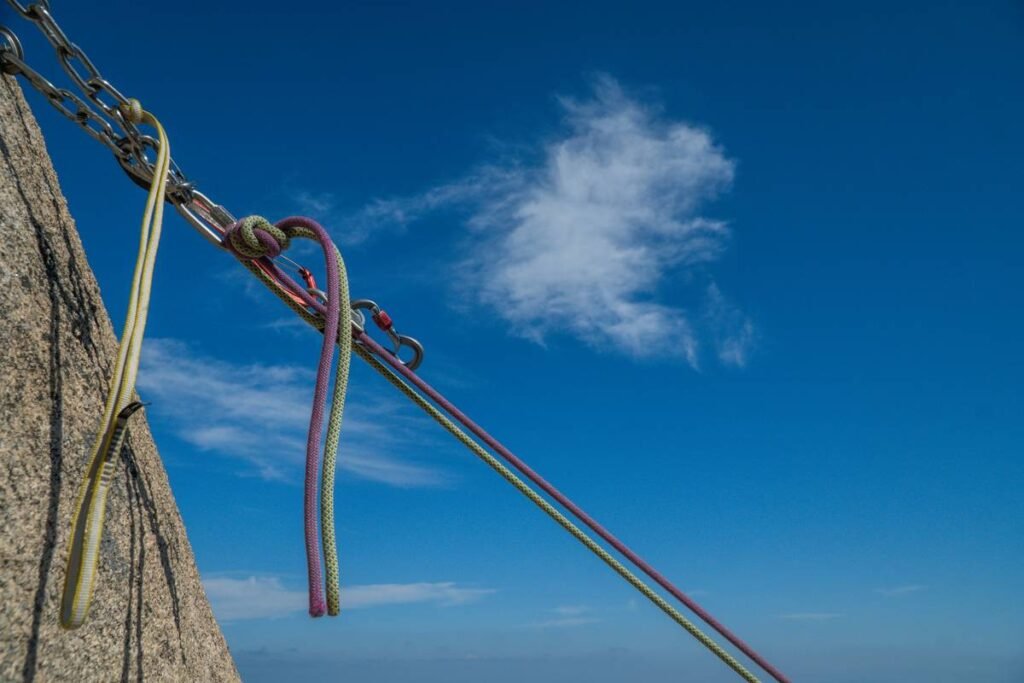
In climbing, a Natural Feature Anchor (NFA) is any unmodified geological or botanical formation used to secure a rope system. Think ancient junipers in Indian Creek, limestone threads in Thailand, or granite horns in Yosemite. Unlike bolts or cams, NFAs require interpretation—they don’t come with torque specs or CE certifications.
And that’s exactly why they’re both magical and dangerous. They connect us to the raw essence of adventure climbing—but also demand humility, experience, and sharp judgment.
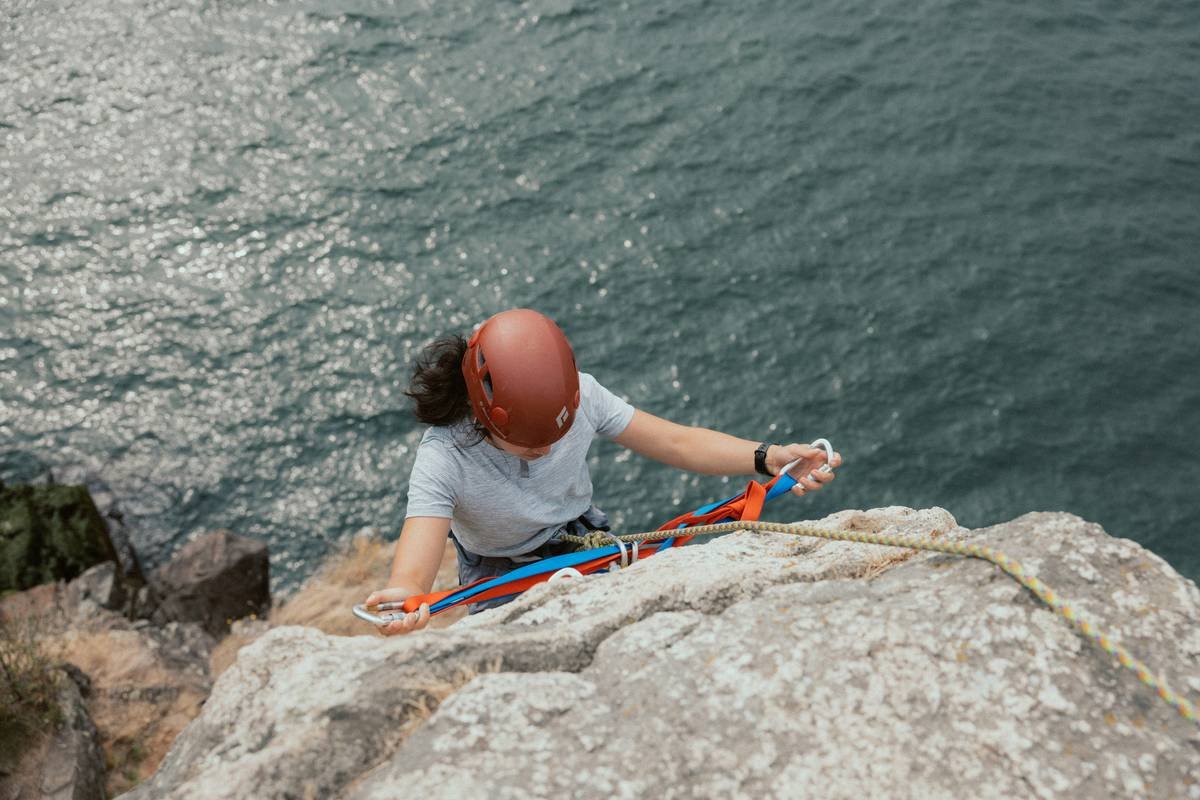
I once built a belay off a seemingly solid horn in Red Rock Canyon. It looked textbook: smooth, rounded, protruding cleanly from solid diorite. But when I gave it a firm tug test? A hairline fracture spiderwebbed across its base. That moment humbled me. Now, I never skip the “poke, pull, probe” ritual—no matter how pretty the feature looks.
How to Evaluate Natural Anchors: Step-by-Step
Forget guesswork. Here’s the 4-step protocol I use—and teach—as a certified Single Pitch Instructor (SPI) with the AMGA:
Is it solidly attached to bedrock?
Chockstones must be deeply seated, not just resting. Trees need visible, healthy roots fused to the ground—not dangling over an edge like a sad houseplant. Pro tip: Kick the base gently. If it wobbles, it’s trash.
What’s the rock (or wood) quality?
Sandstone erodes faster than granite. Lichen-covered surfaces often hide hollows. And that “solid” pine? In arid zones, root systems can be shallow. The UIAA warns that wood strength drops 40–60% in dead or rotting trees (UIAA Safety Bulletin #27).
Does it handle multi-directional loads?
An anchor might hold a downward pull but snap sideways if your second falls off-route. Visualize every possible fall vector. If it fails in any direction, it’s not multi-directional—and you’ll need redundancy.
Can you equalize and back it up?
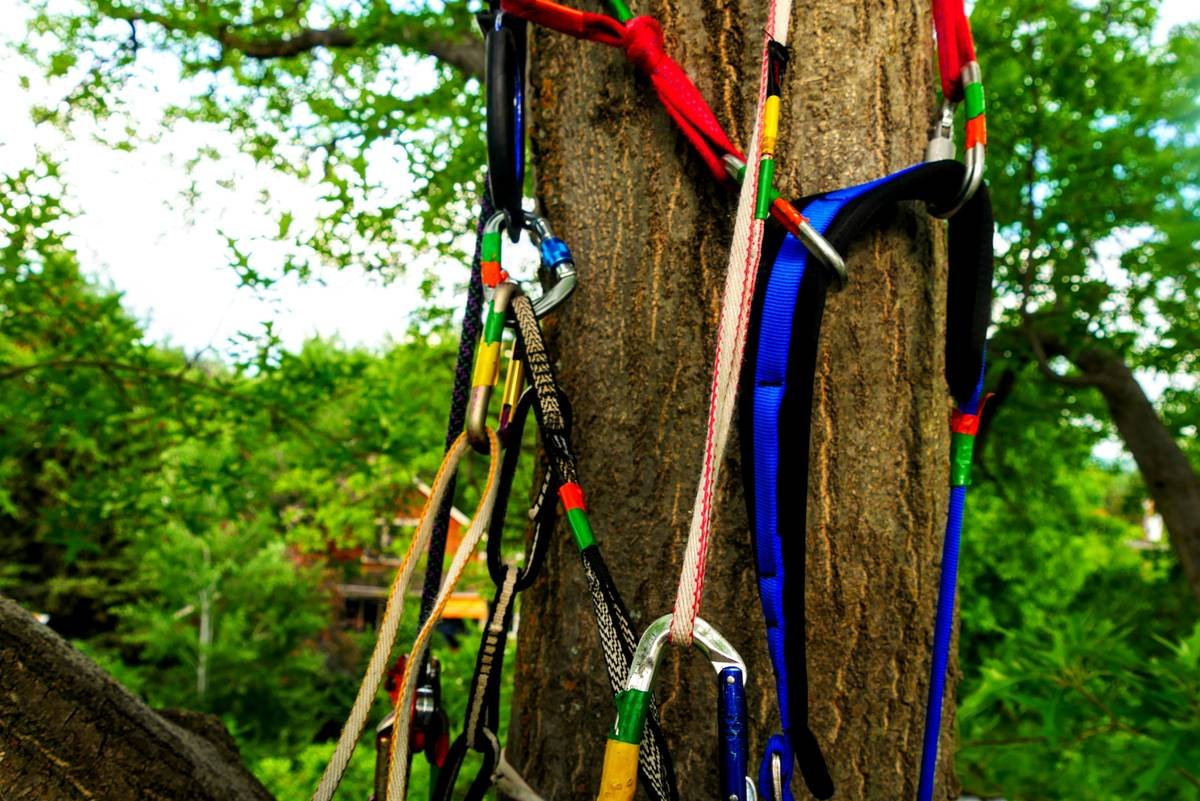
Even bomber NFAs should be paired with gear when possible. Thread a sling through a horn and back it with a cam in the adjacent crack. For trees, wrap with a runner and place a piece at the base. Redundancy isn’t paranoia—it’s professionalism.
Optimist You: “This chockstone looks perfect! Let’s go!”
Grumpy You: “Ugh, fine—but only if you test it like your life depends on it. (Spoiler: It does.)”
Best Practices for Safe Use
- Never girth-hitch trees under 6 inches in diameter. Smaller trunks flex, abrade slings, and may snap.
- Use webbing, not rope, for threading. Dyneema or nylon slings distribute load better and reduce abrasion.
- Avoid “pinch points.” If a thread narrows sharply, it can saw through slings during rope movement.
- Inspect after rain or freeze-thaw cycles. Water expands in cracks—features stable in summer may loosen in spring.
- Document and share findings. If you find a questionable NFA on a popular route, note it in guidebooks or apps like Mountain Project.
Real-World Case Studies
Case 1: The Juniper That Held (Joshua Tree, 2022)
A pair climbed a remote 5.9 using a single pinyon pine as their rappel anchor. The tree was 12 inches thick, rooted in solid granite, and showed zero movement. They backed it with a #4 cam in a parallel crack. Verdict: Safe, redundant, and respectful.
Case 2: The Flake That Flew (Red River Gorge, 2021)
A leader built a belay off a dinner-plate flake they assumed was “glued” by time. Under body weight, it detached cleanly—taking the climber 15 feet to a ledge below. Nasty bruises, wrecked rack, but alive. Accident report cited “failure to test for adhesion.”
These aren’t outliers. The Rock and Ice Accident Archives show recurring themes: assumption, haste, and over-trust in nature’s generosity.
FAQs About Natural Feature Anchors
Are natural anchors as safe as bolted anchors?
No. Bolts are engineered and tested. Natural anchors are conditional—they vary by season, weather, and geology. Treat them with more skepticism, not less.
Can I leave slings on natural features?
Generally discouraged. Webbing degrades in UV light and can damage bark or rock. Remove your gear unless it’s part of a permanent, community-maintained anchor (e.g., desert towers with established rap stations).
What if there’s NO gear and only one questionable tree?
Downclimb. Walk off. Call for help. Never force a system you doubt. As legendary guide Jim Holloway said: “The mountain will still be there tomorrow. Your spine won’t.”
Do climbing guidebooks verify natural anchors?
Sometimes—but info ages fast. Always assume guidebook data is outdated. Use it as a starting point, not gospel.
Conclusion
Natural Feature Anchors are the soul of adventure climbing—but they demand respect, not reverence. Mastering them isn’t about memorizing rules; it’s about cultivating judgment through experience, mentorship, and relentless questioning. Test everything. Back up often. Leave no trace—but take every lesson.
Next time you eye that perfect horn or thread, remember: the best climbers aren’t the strongest—they’re the ones who know when not to pull on something.
Like a Tamagotchi, your anchor sense needs daily care: feed it knowledge, clean it with doubt, and never let it die from neglect.
Haiku for the Sharp End:
Wind hums through the stone,
Sling rests on ancient root—
Trust earned, not given.